
Don't Stop Me Now |
MISSION POSSIBLE Season 2
Energy, creativity and synodality with the next generation - Thai youth hack for hope
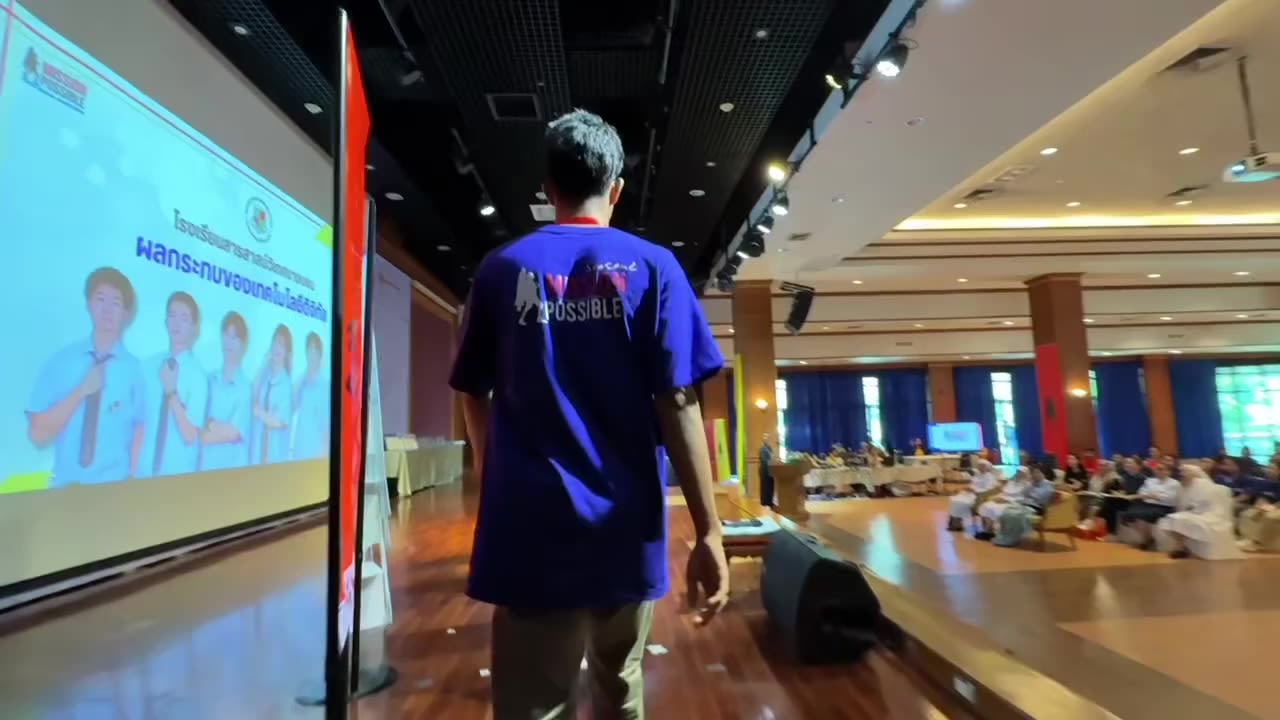

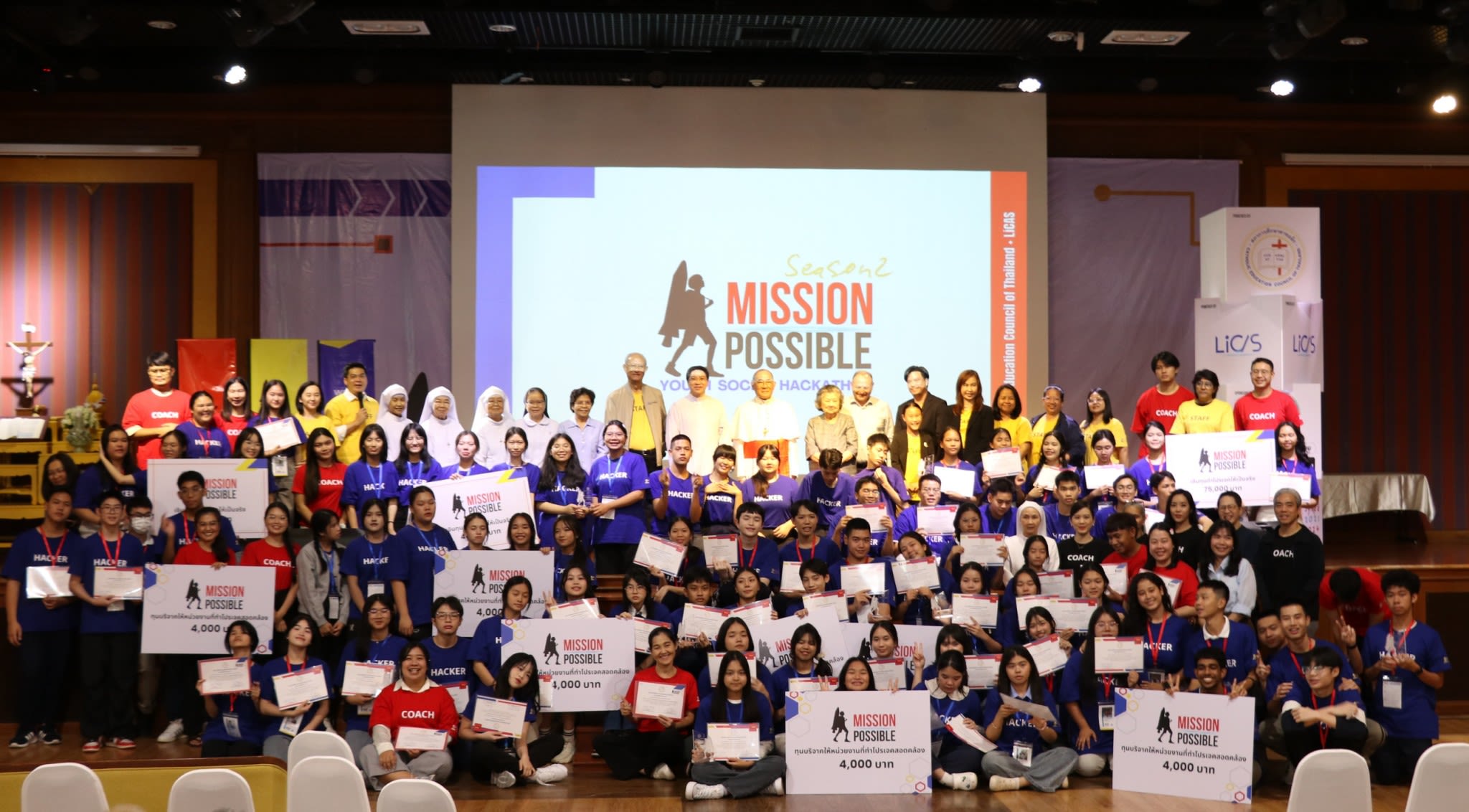
The second season of the MISSION POSSIBLE Youth Social Hackathon wrapped up on Sunday, July 13, 2025, with powerful youth pitches, proud mentors, and a renewed sense of hope in young people’s capacity to build a better world.
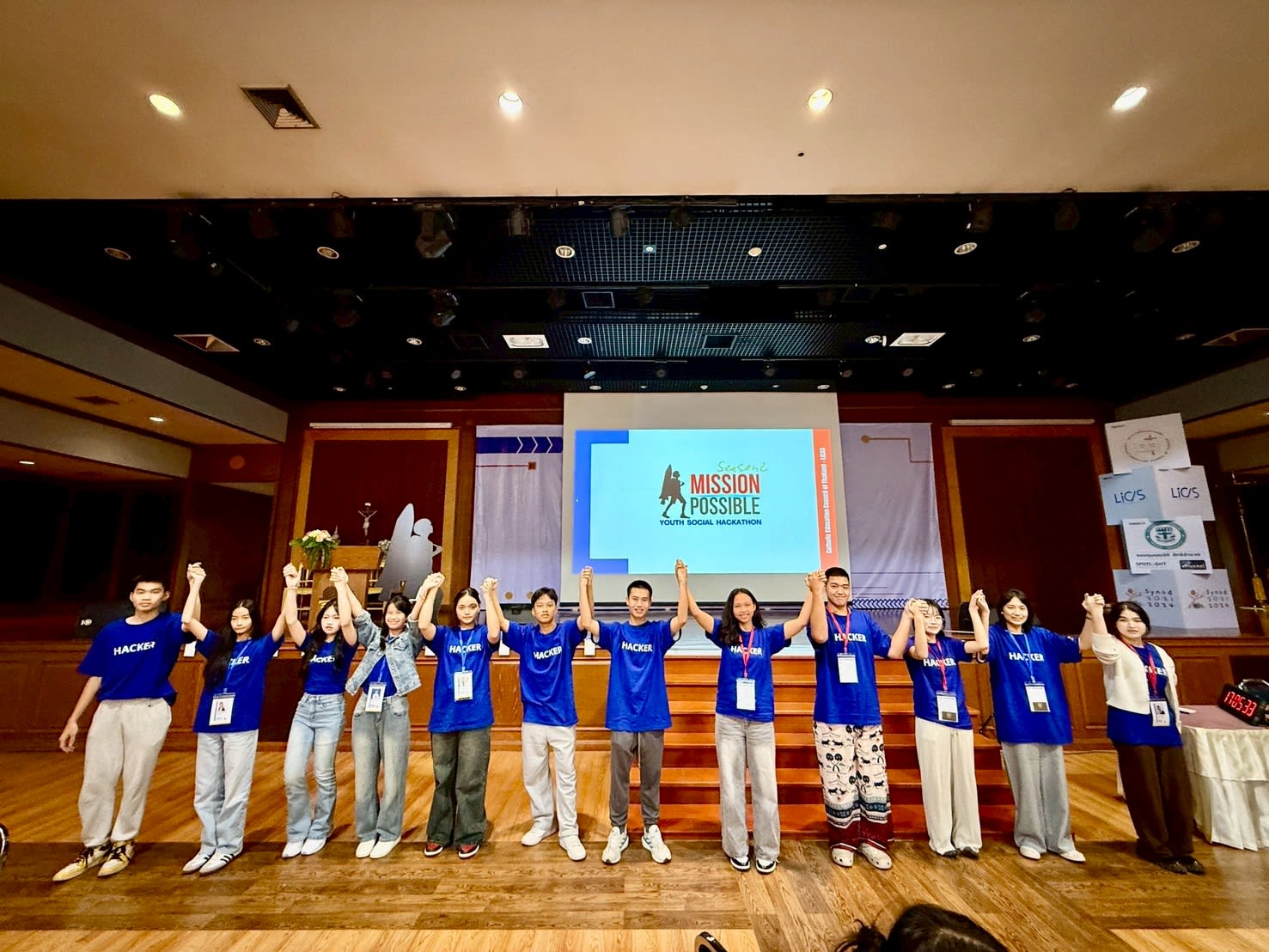
Hosted at Baan Phu Waan Pastoral Training Center just outside Bangkok and co-organized by the Catholic Education Council of Thailand (CECT) and LiCAS News, the three-day gathering brought together students aged 13–19 from 12 Catholic schools across Thailand, in addition to the 12 schools who already participated last year.
Guided by the Church’s synodal call to “journey together,” participants tackled urgent issues in Thai society and beyond — from migrant labor and climate change to family wellbeing and ethical technology. Over an immersive weekend of hacking, mentoring, and pitch-coaching, teams shaped concrete solutions and prepared compelling stage presentations for seed funding approaching US$10,000.
Day 1
Igniting Innovation and Embracing Synodality

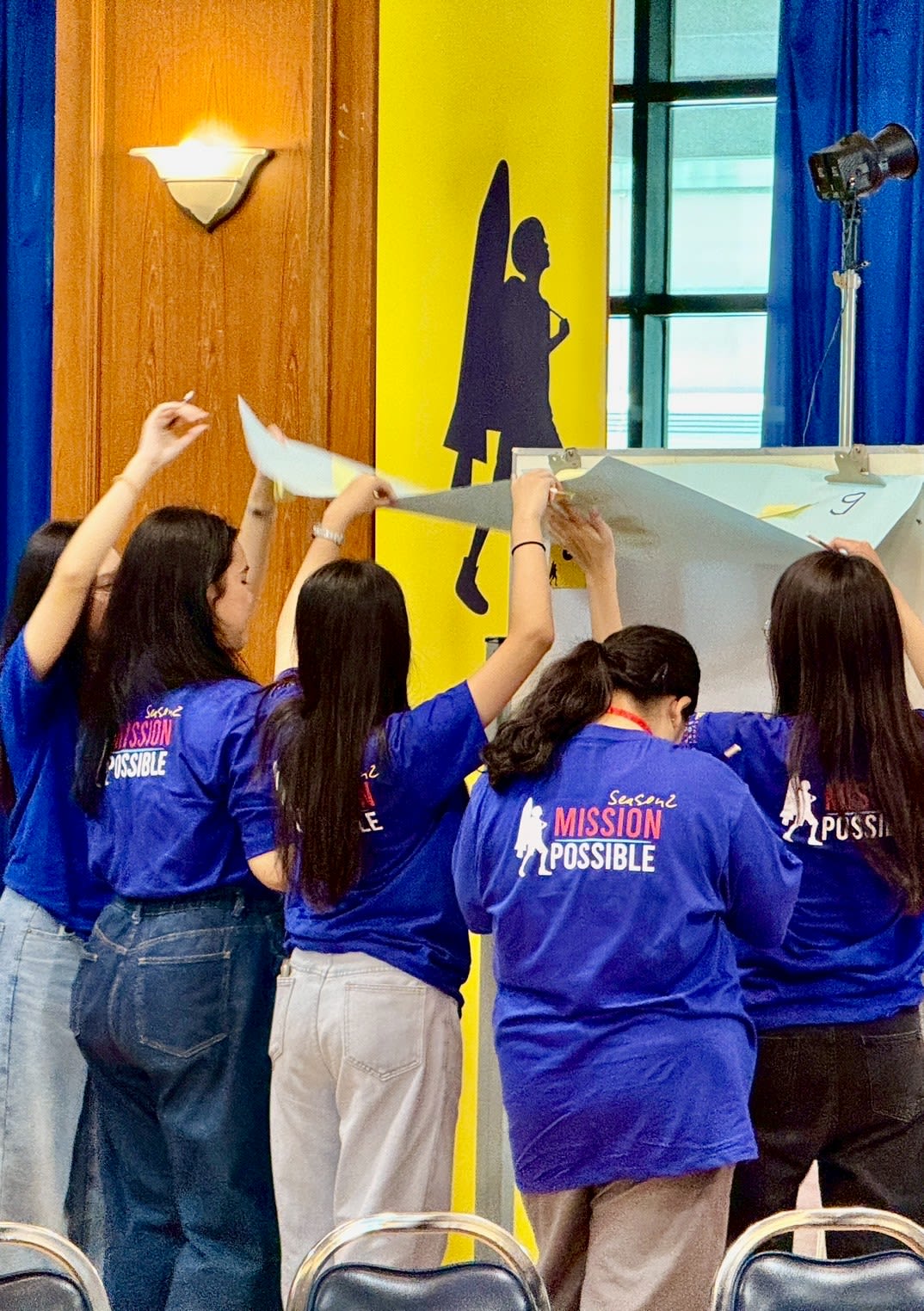

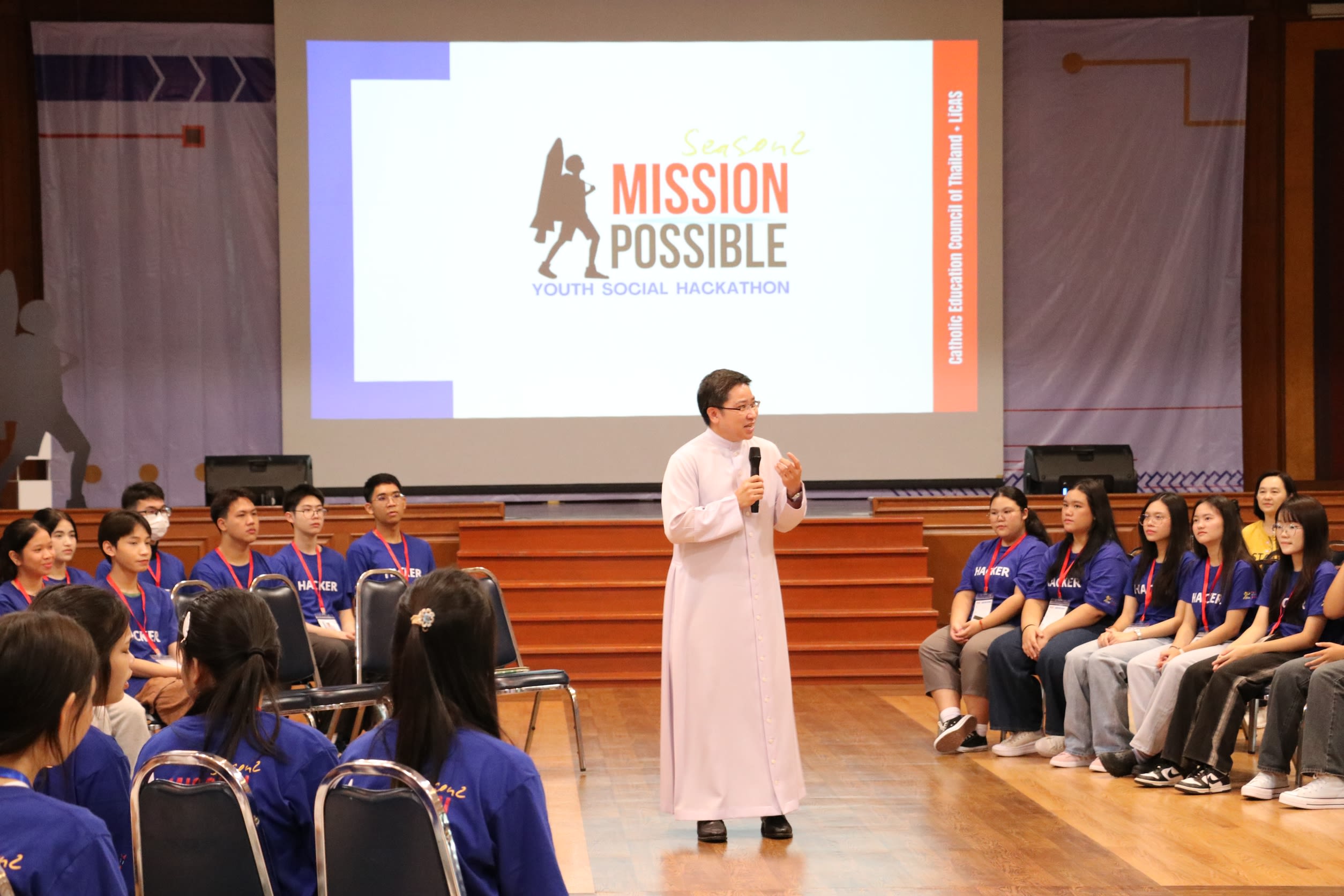

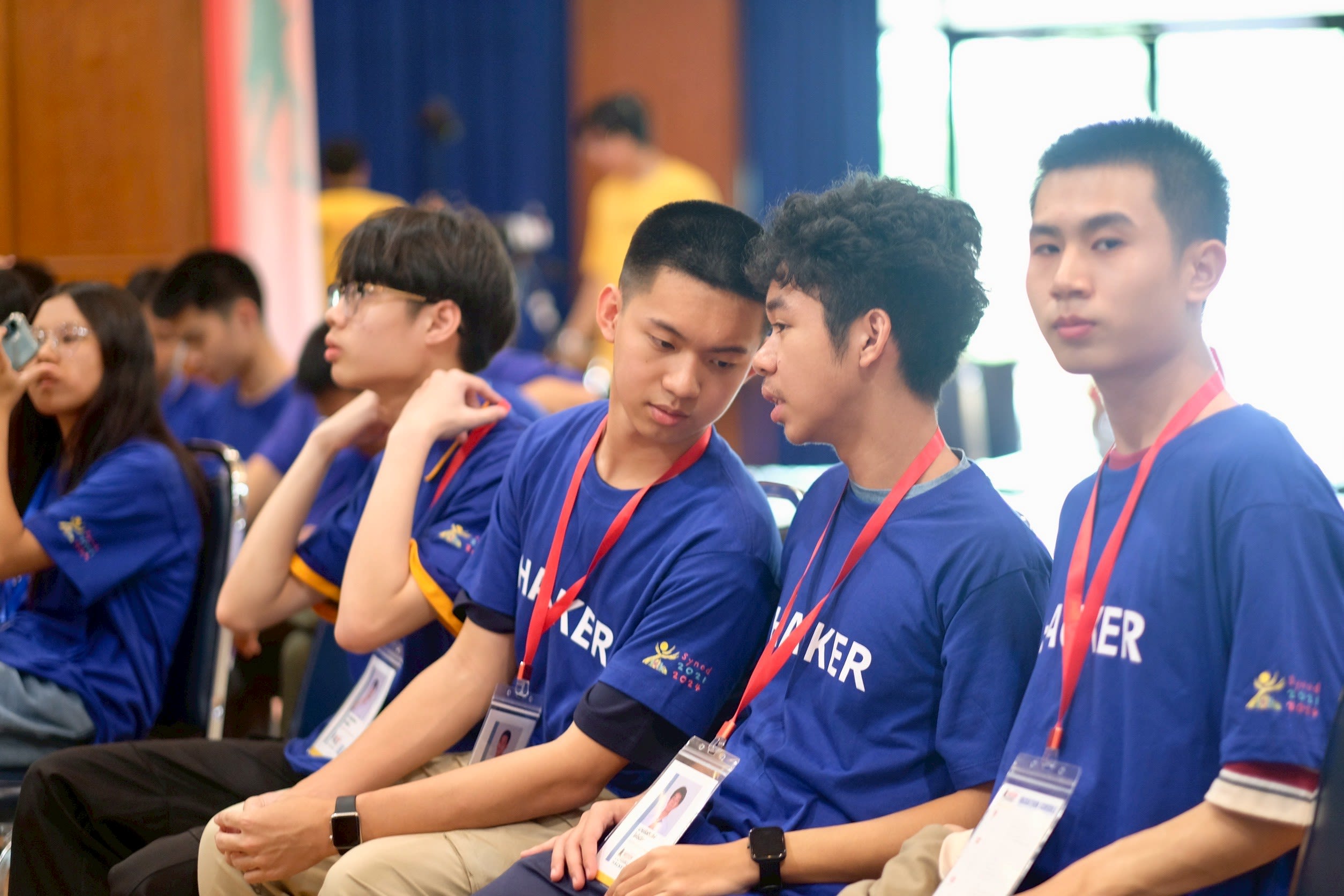

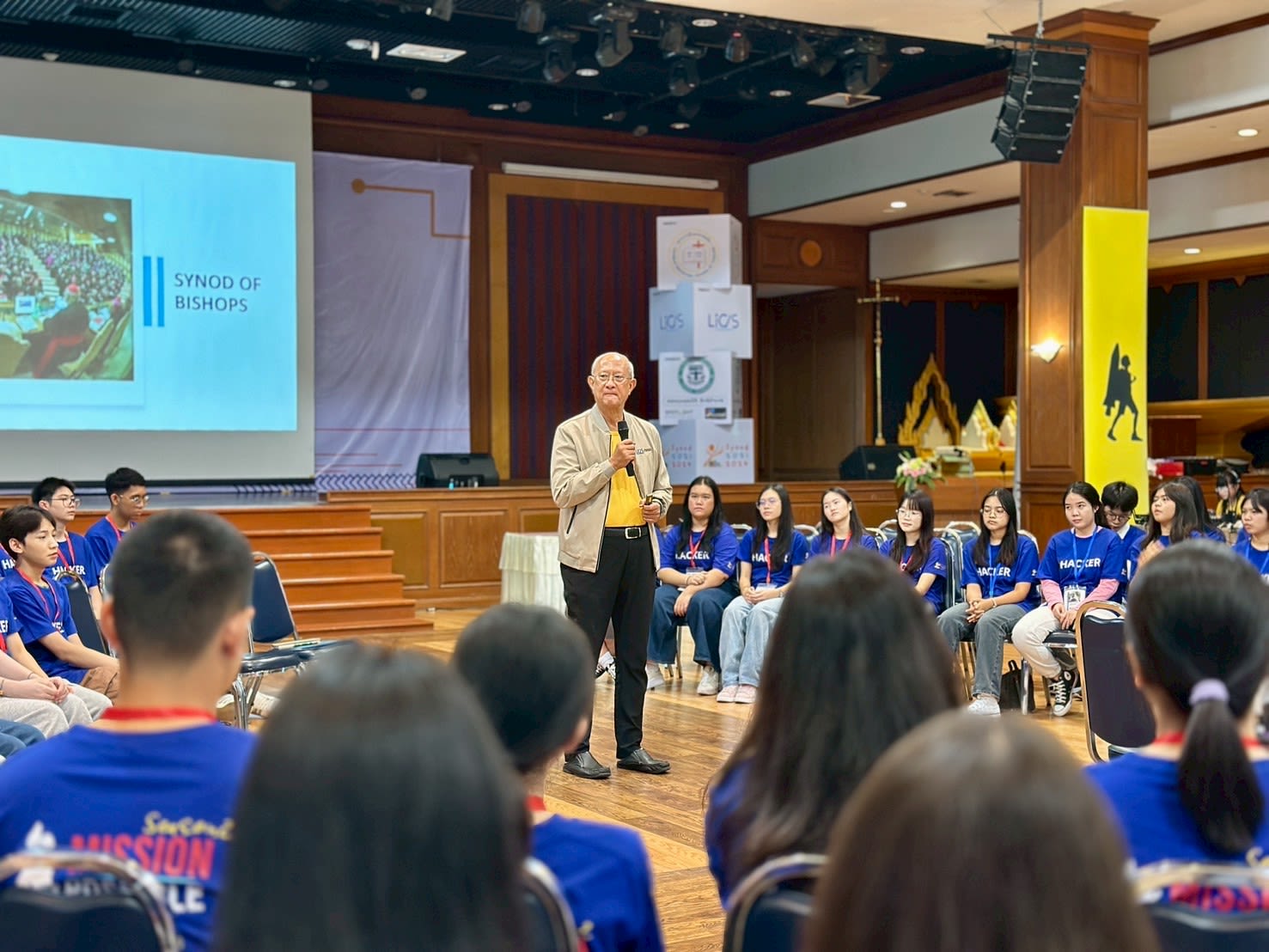

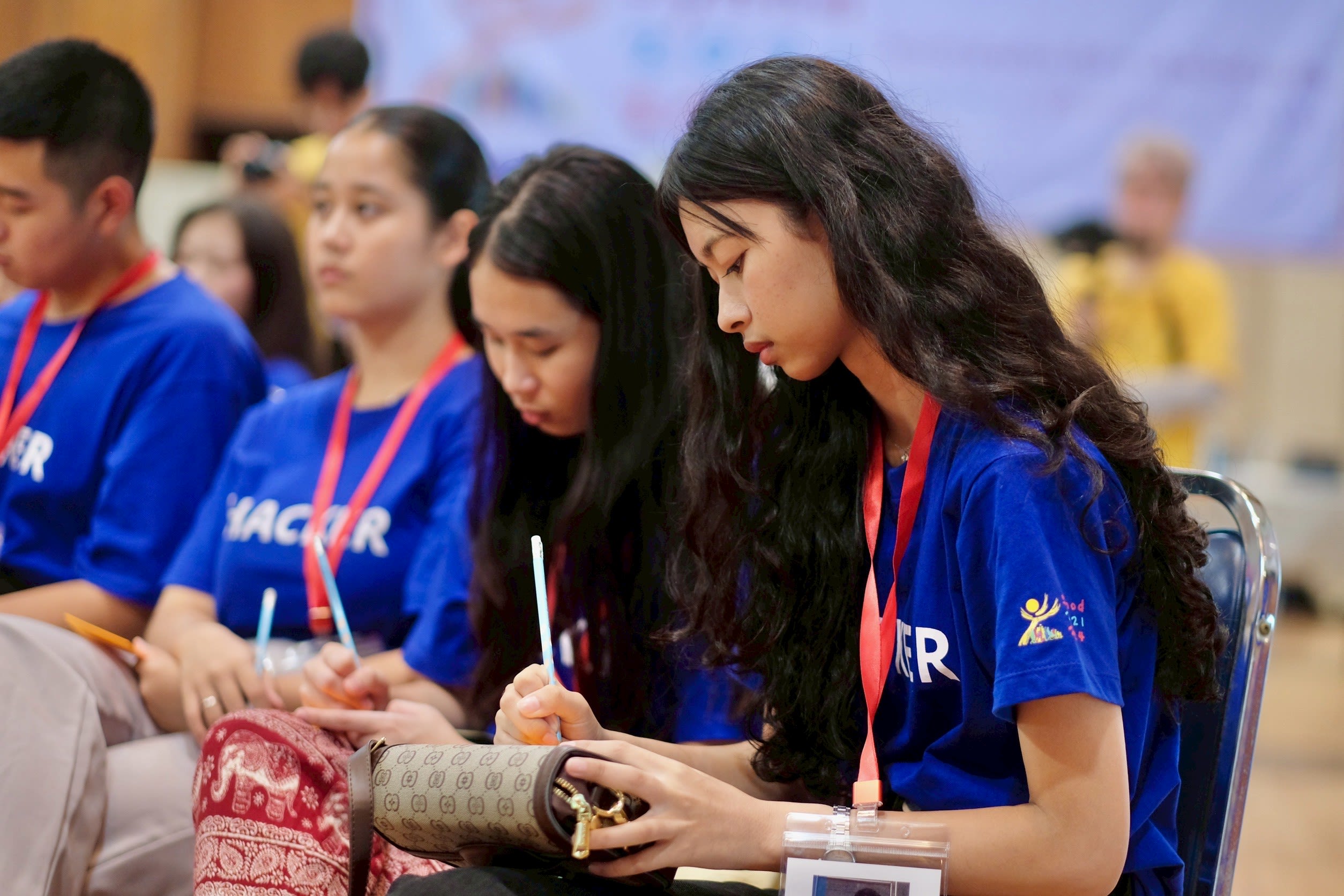

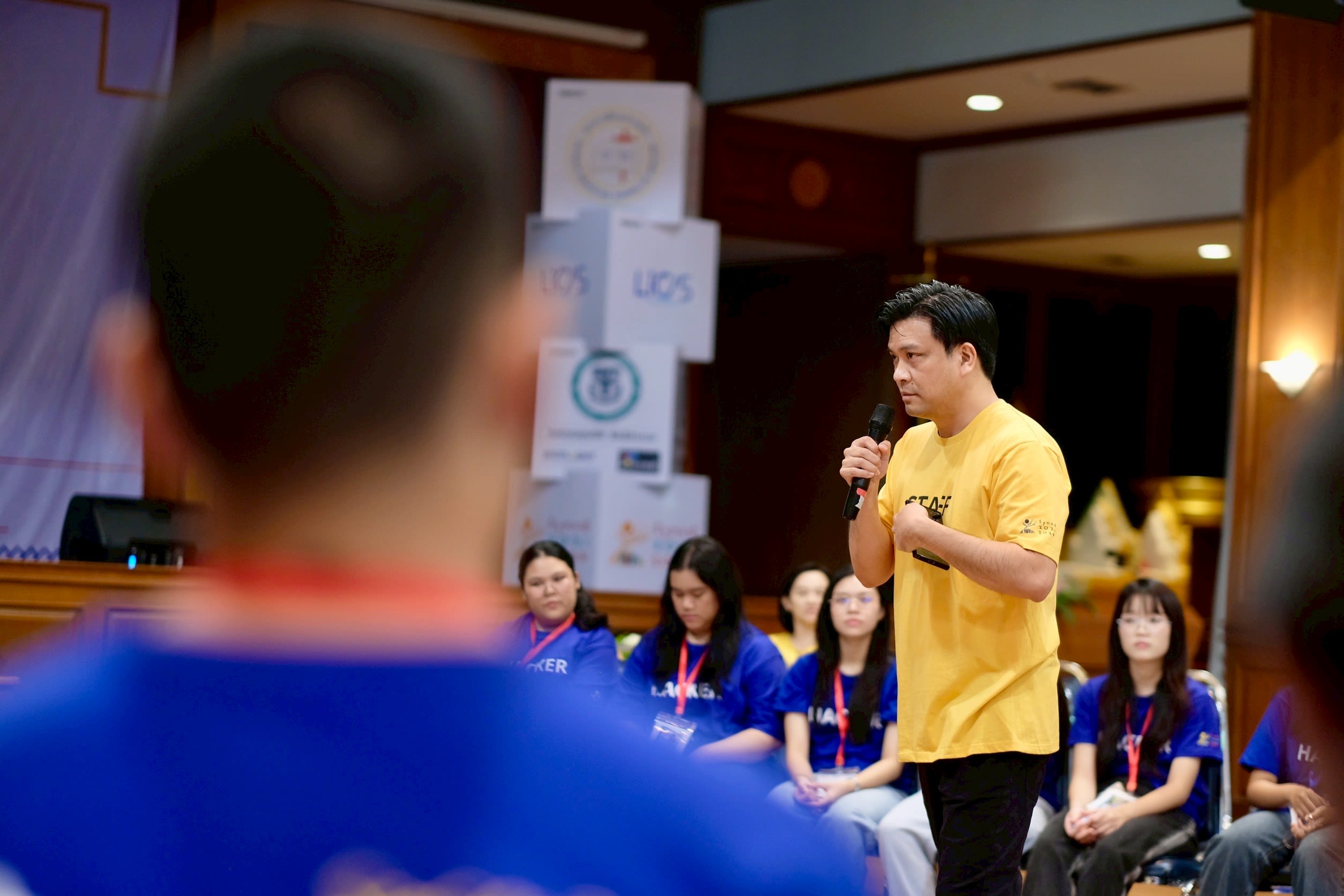

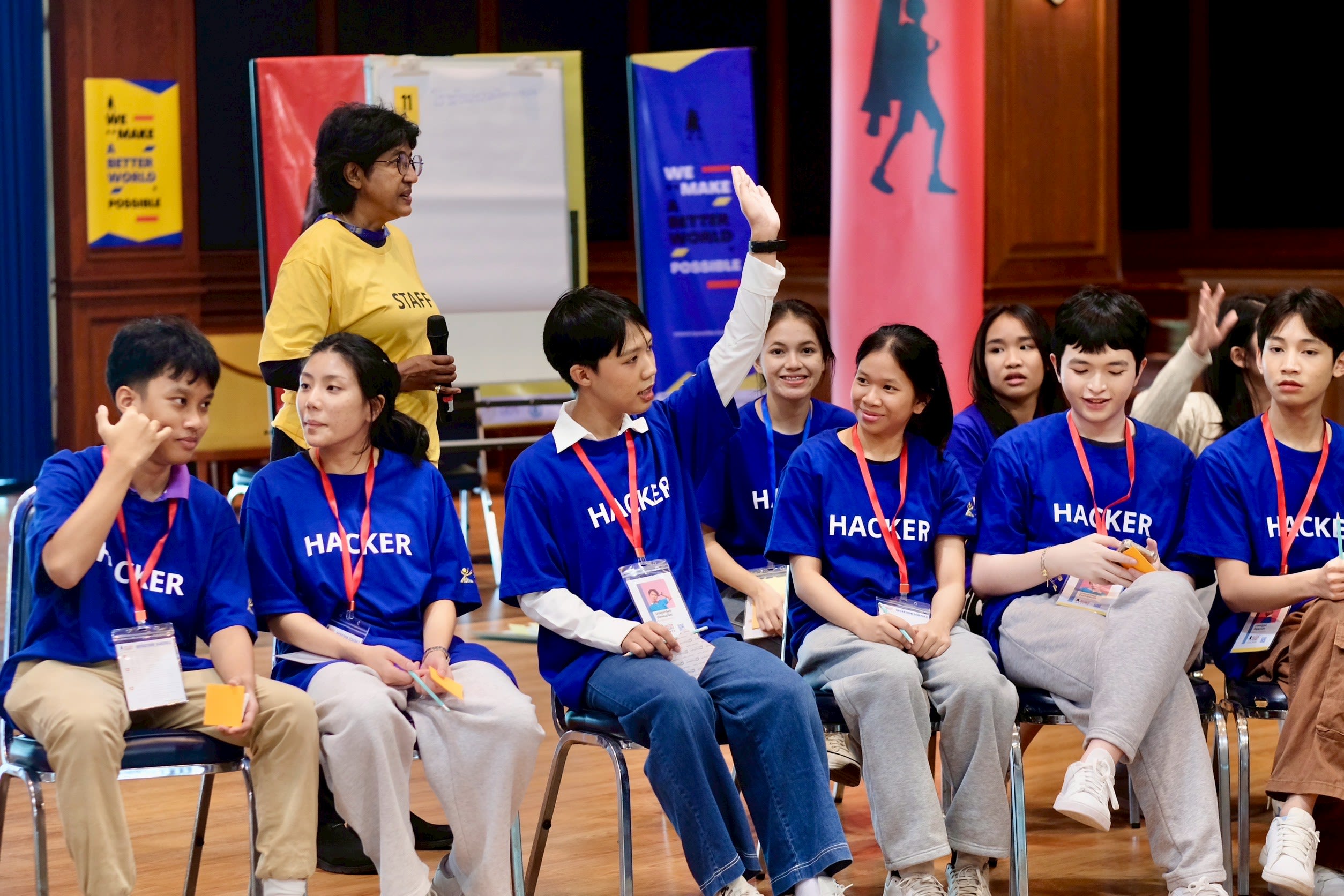

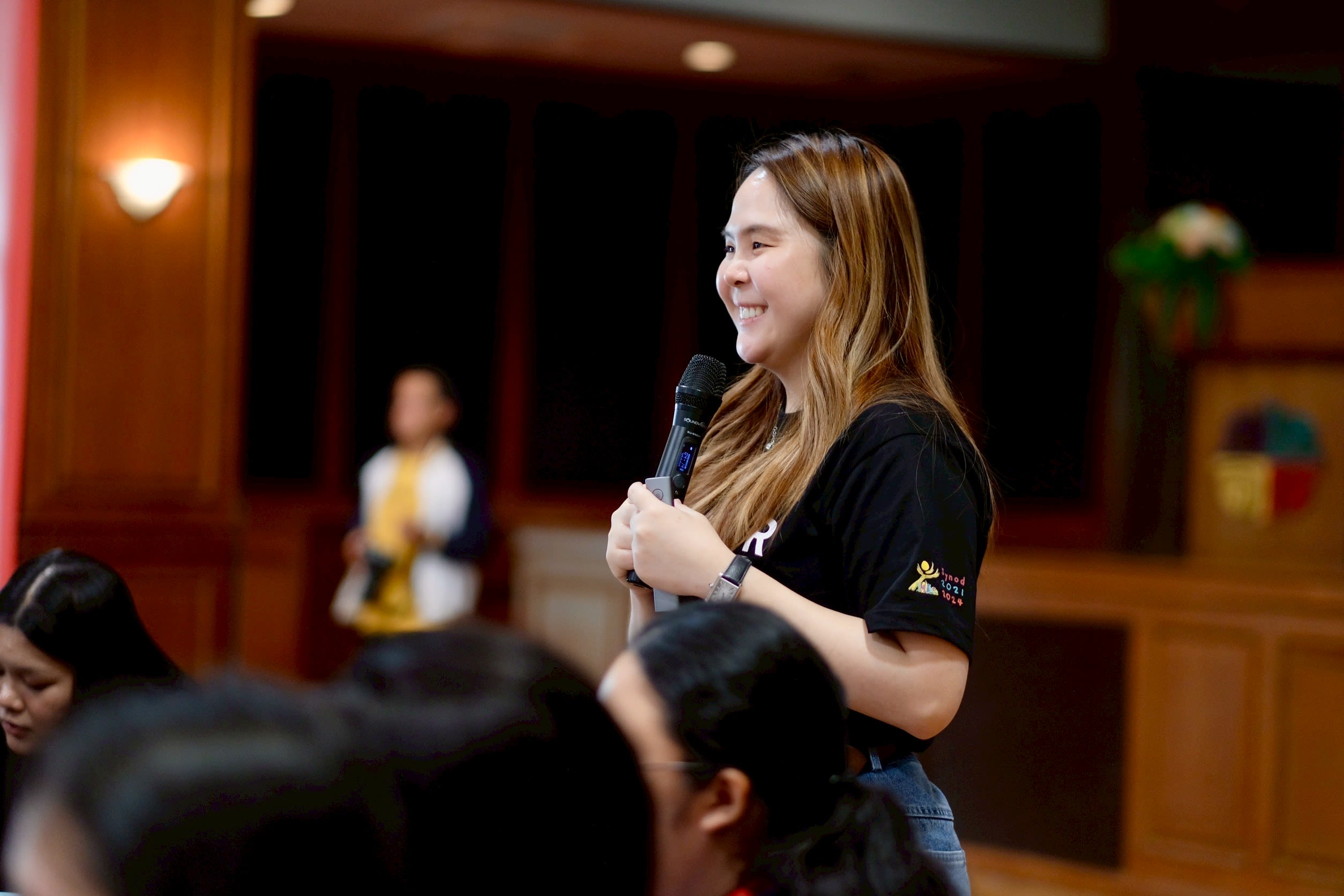

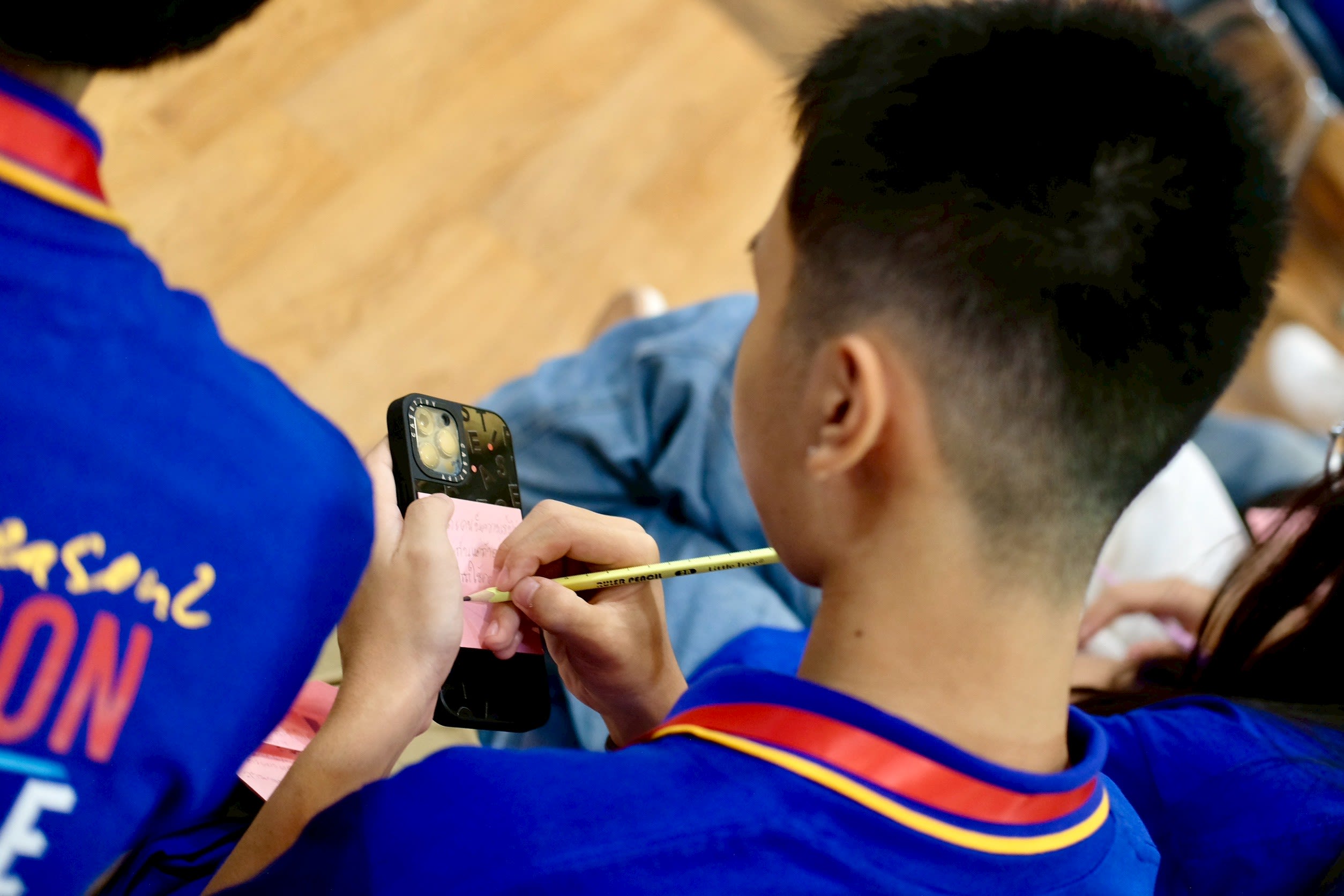

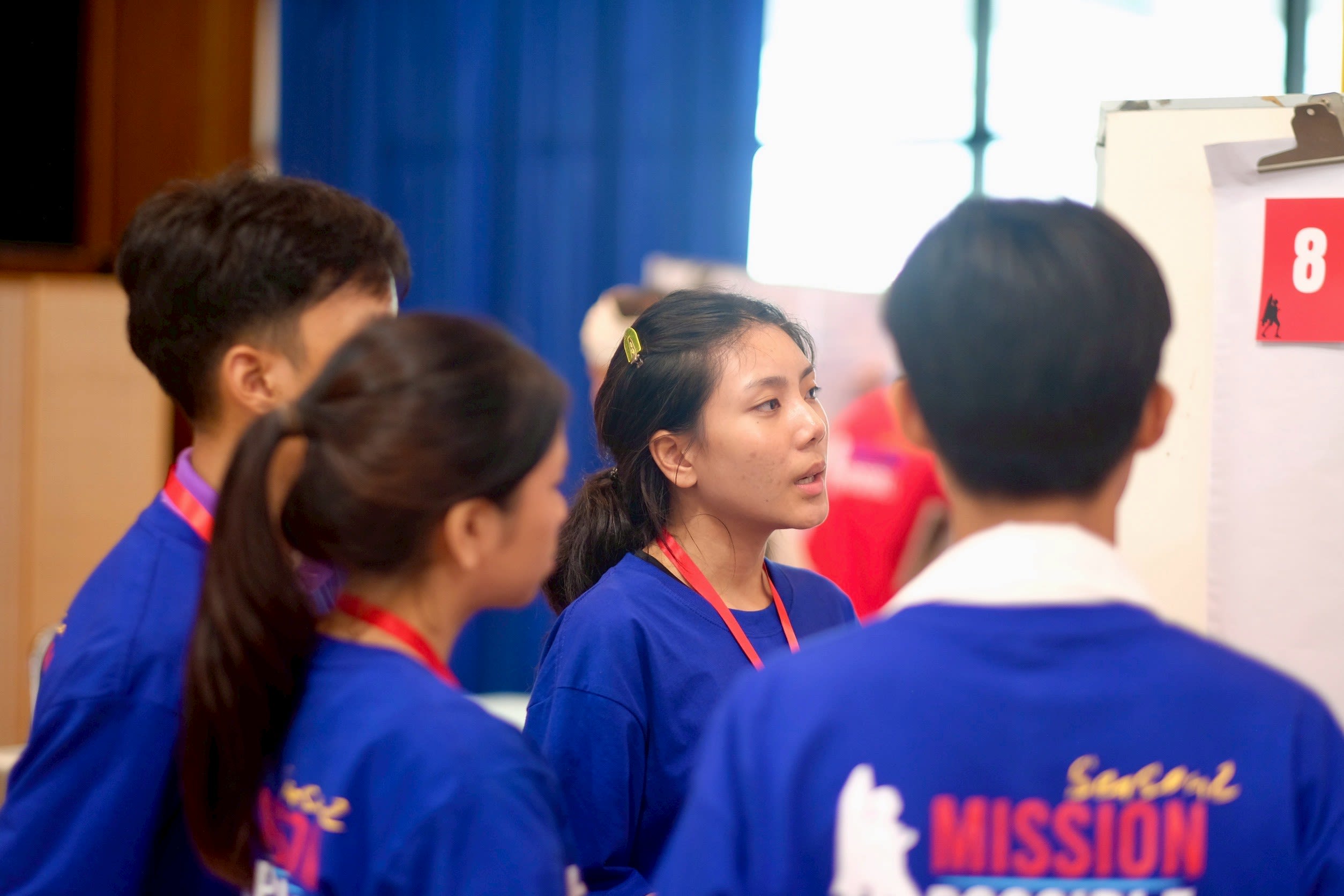

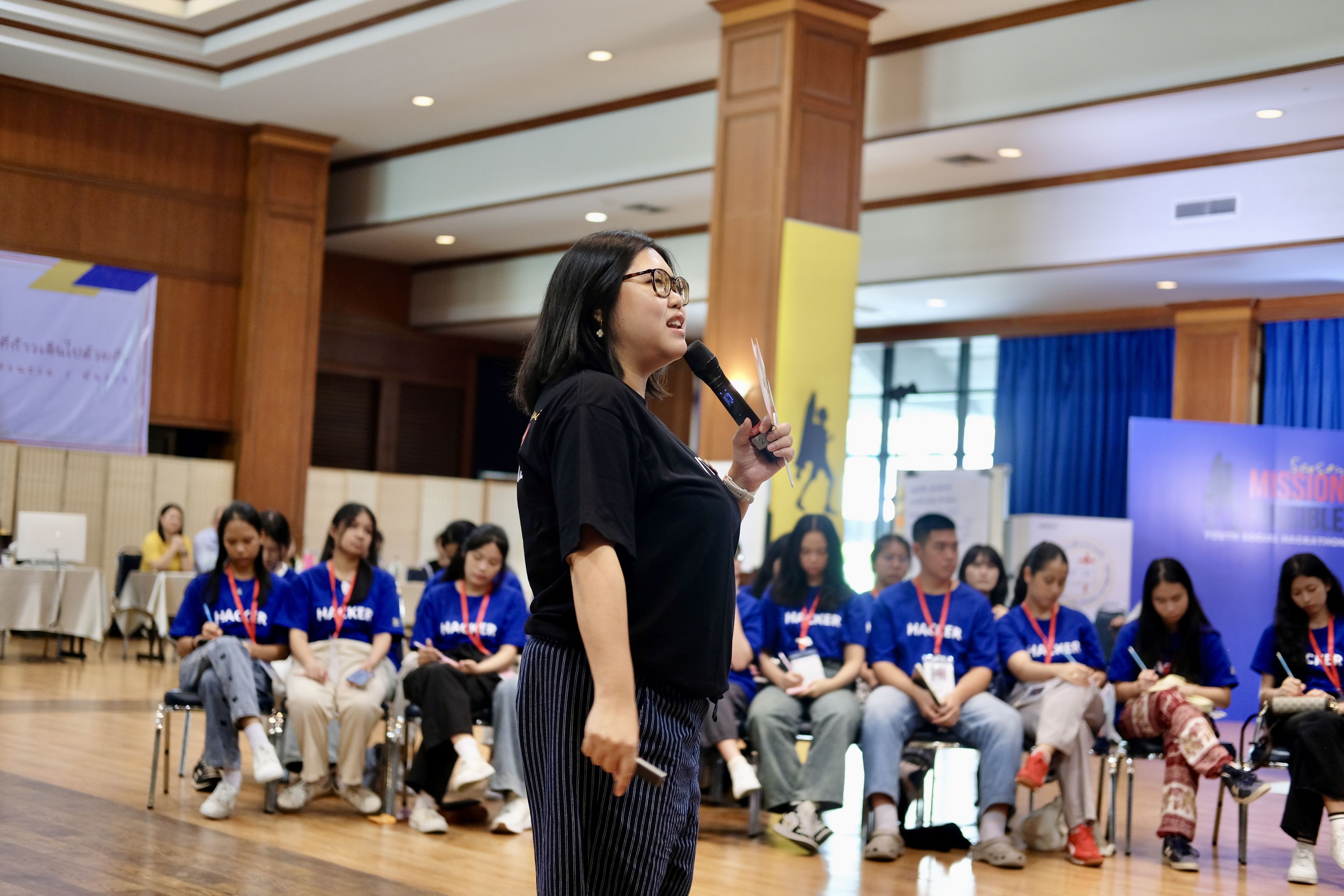

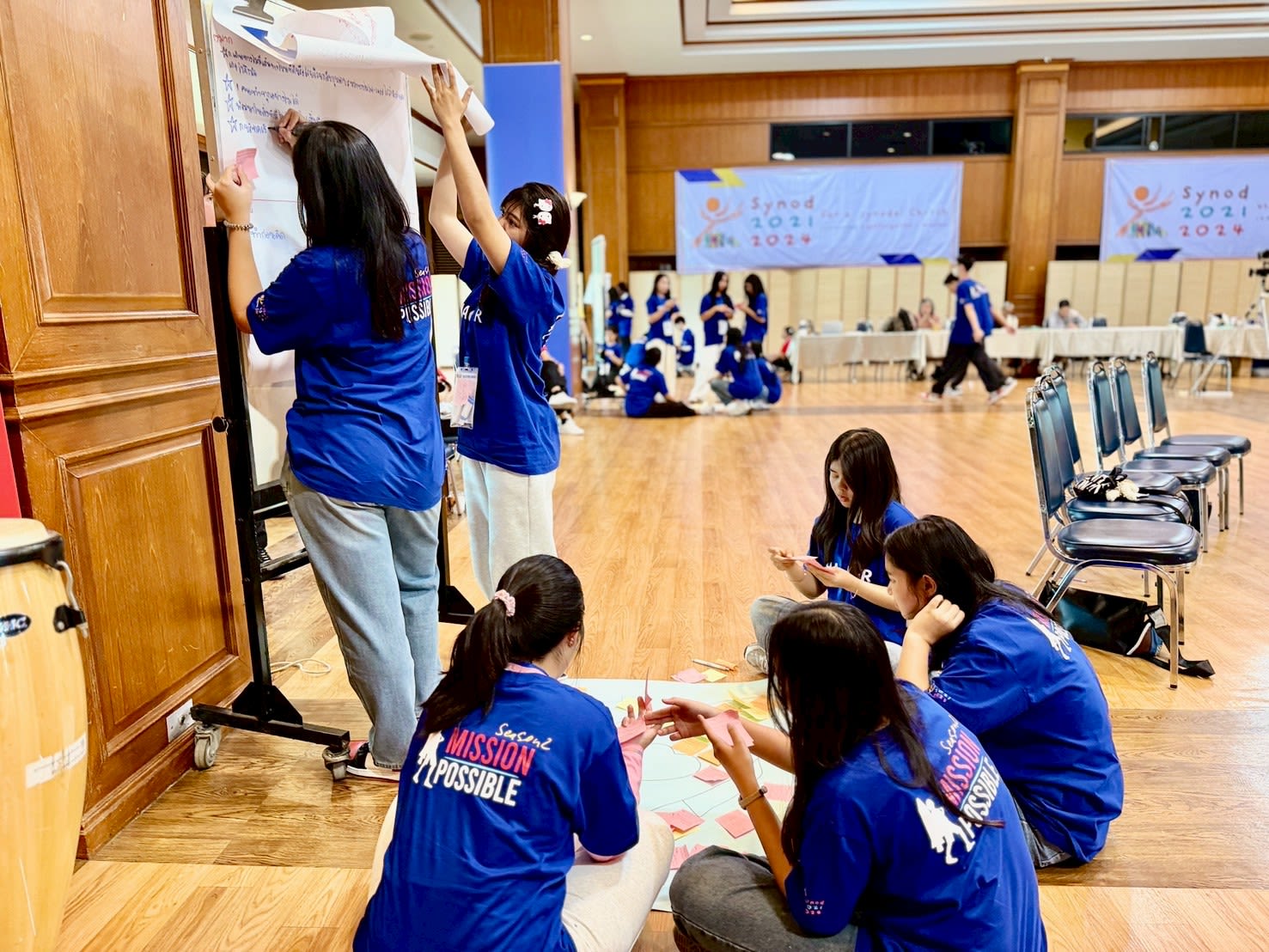

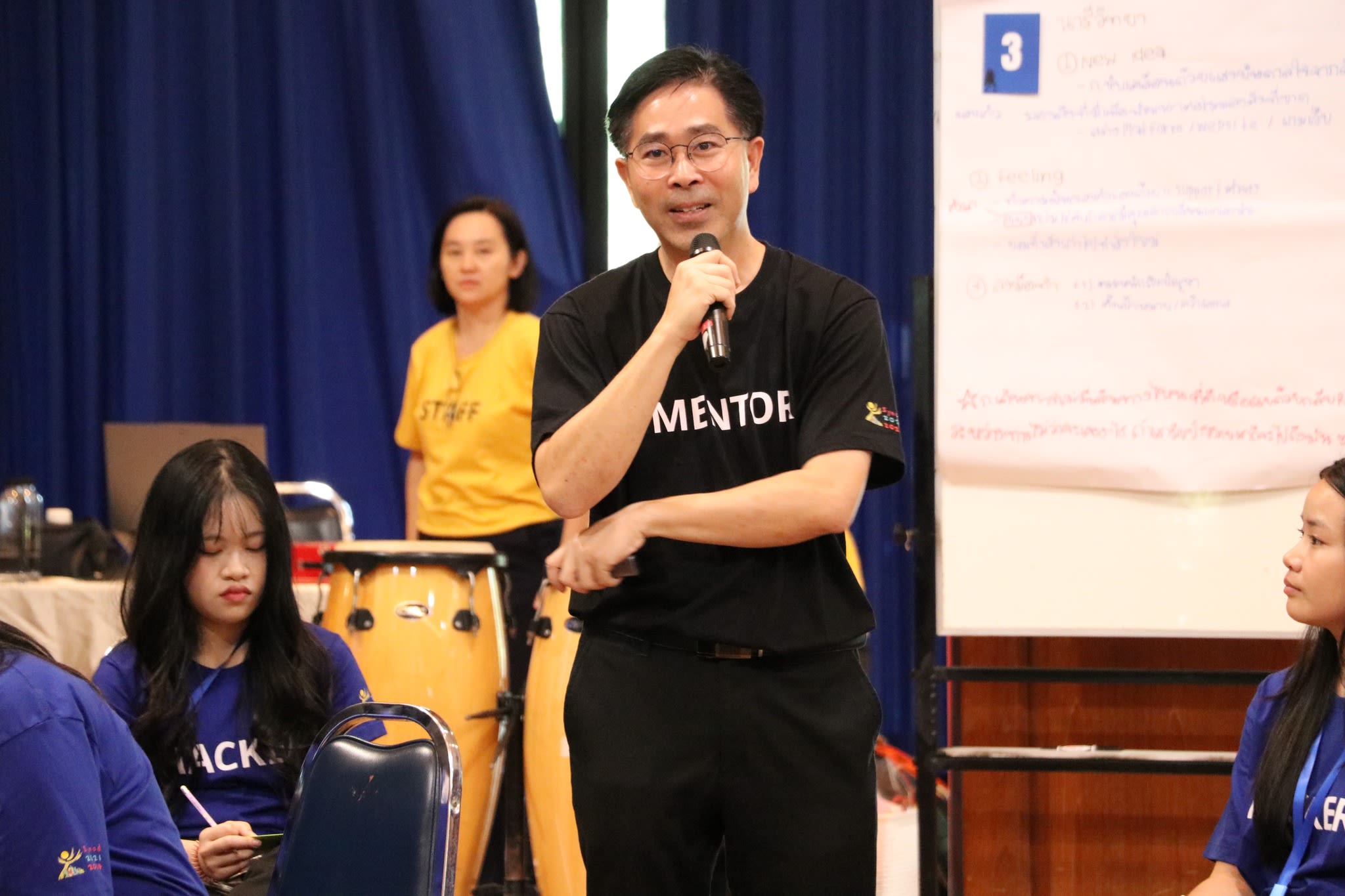

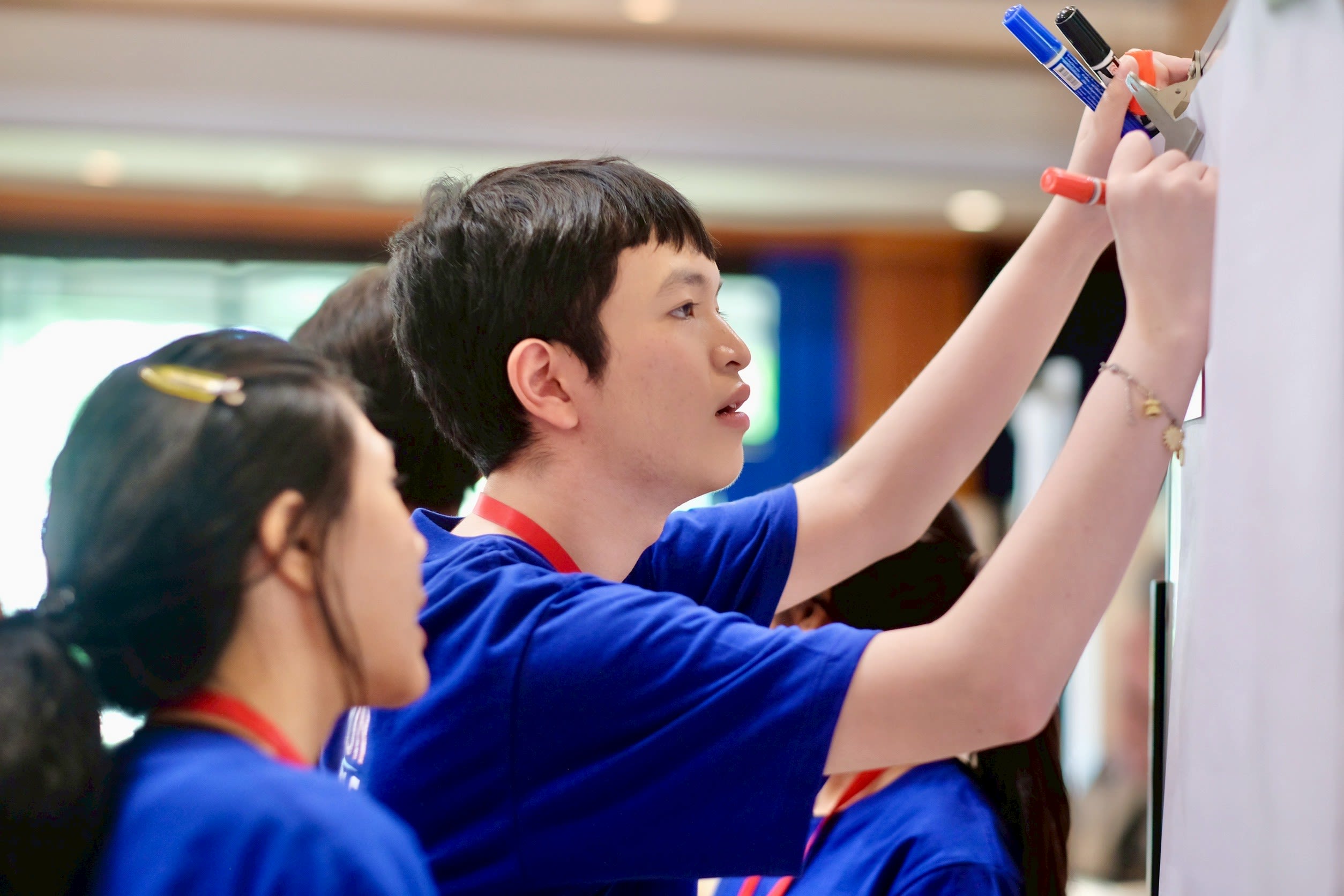

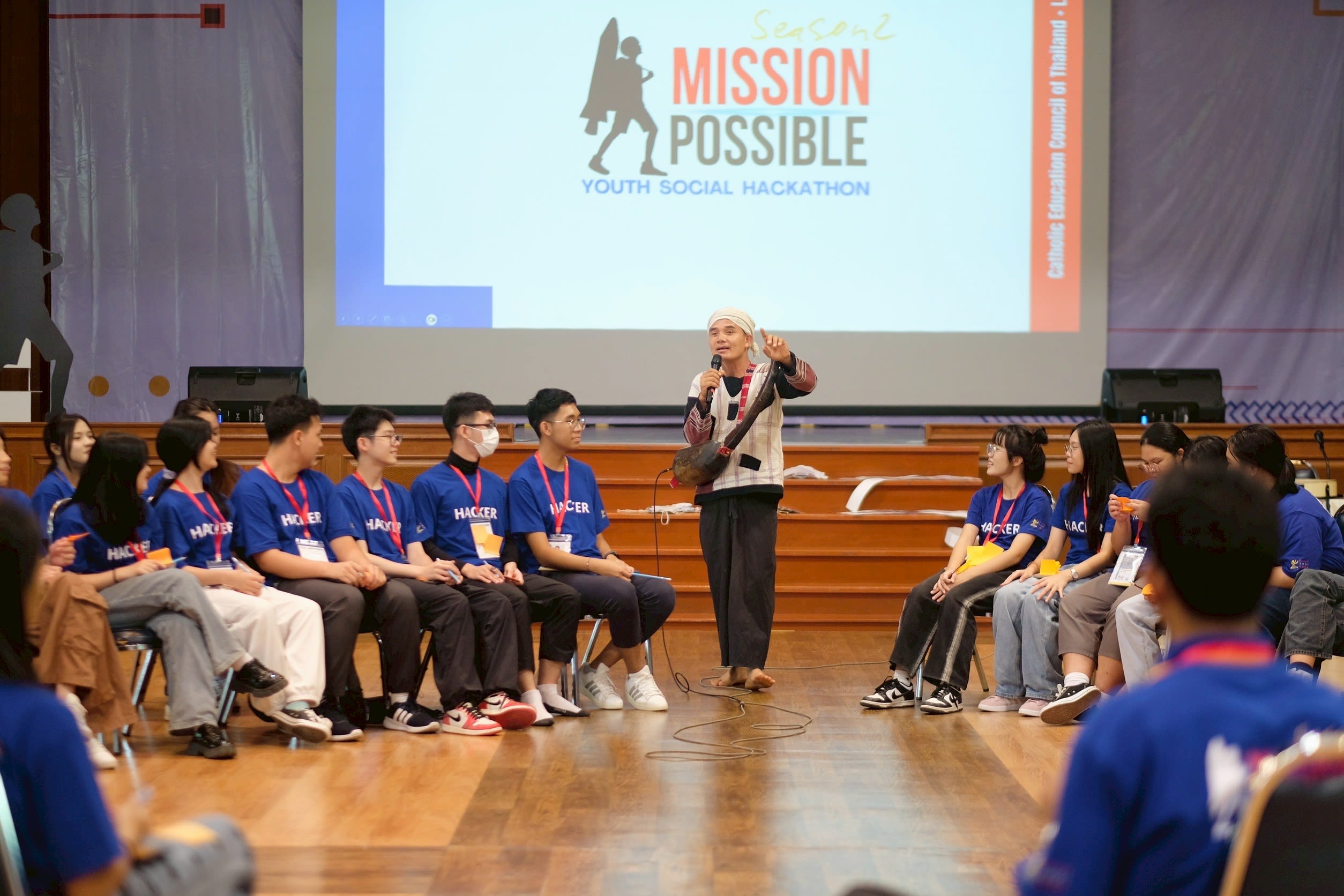

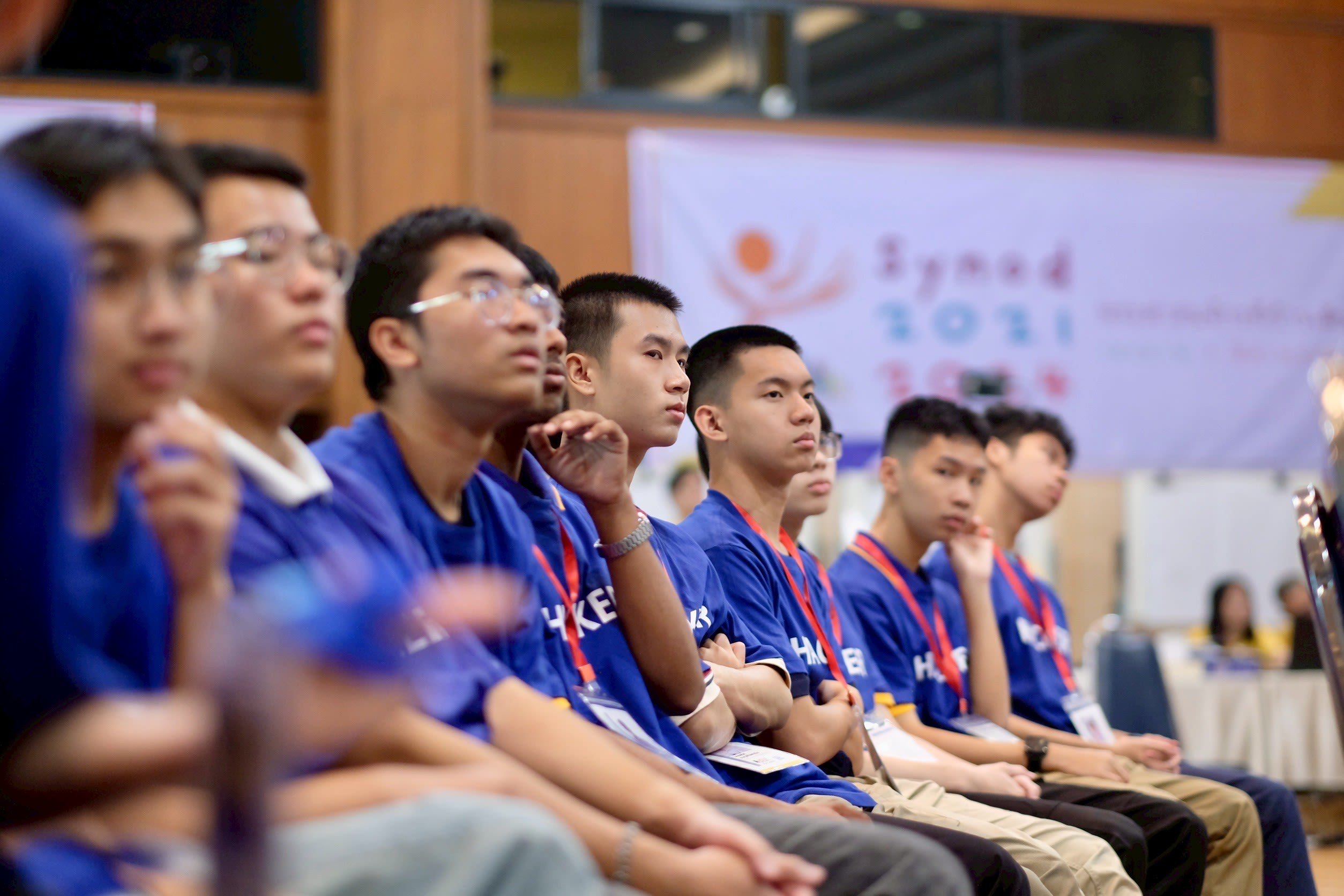

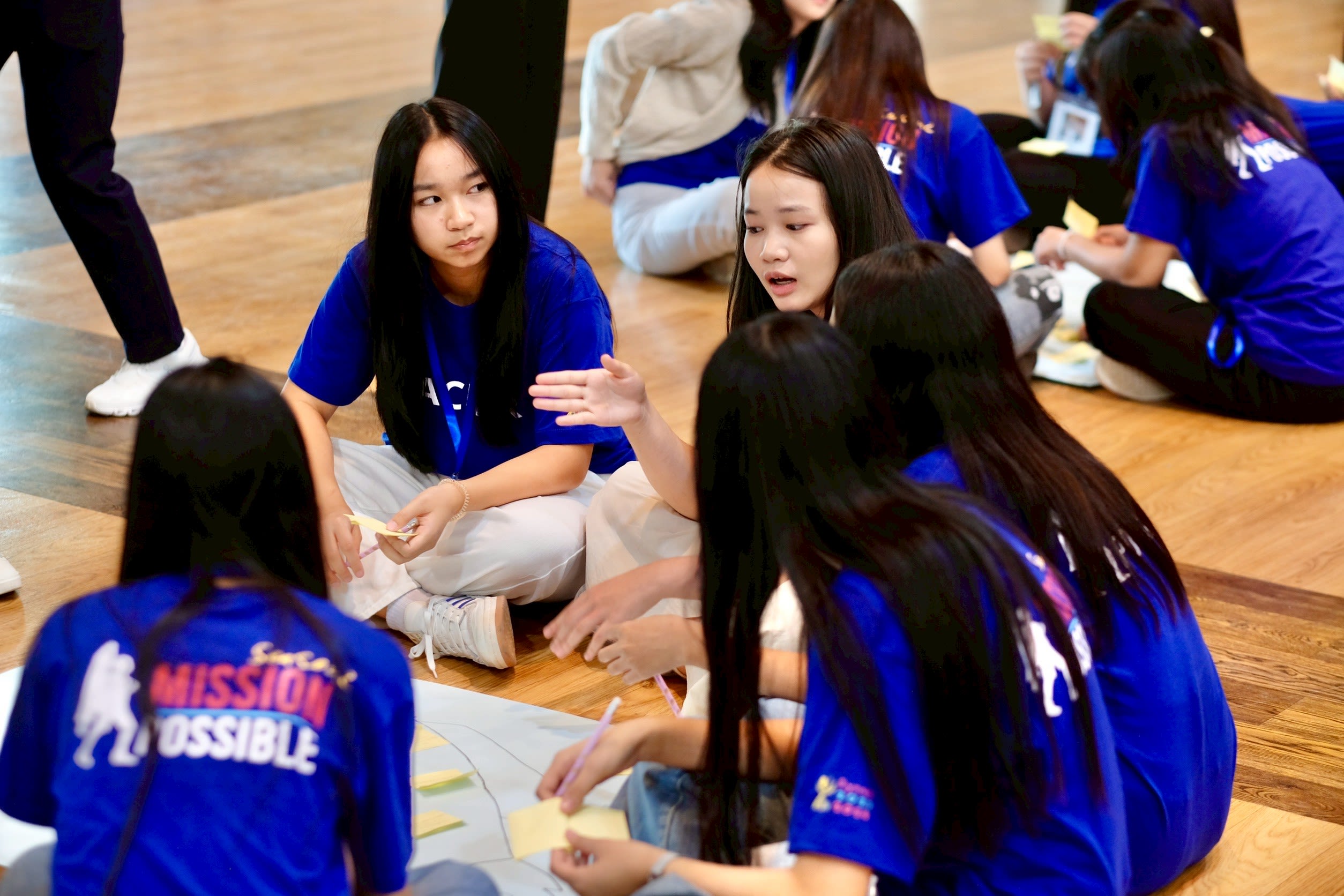

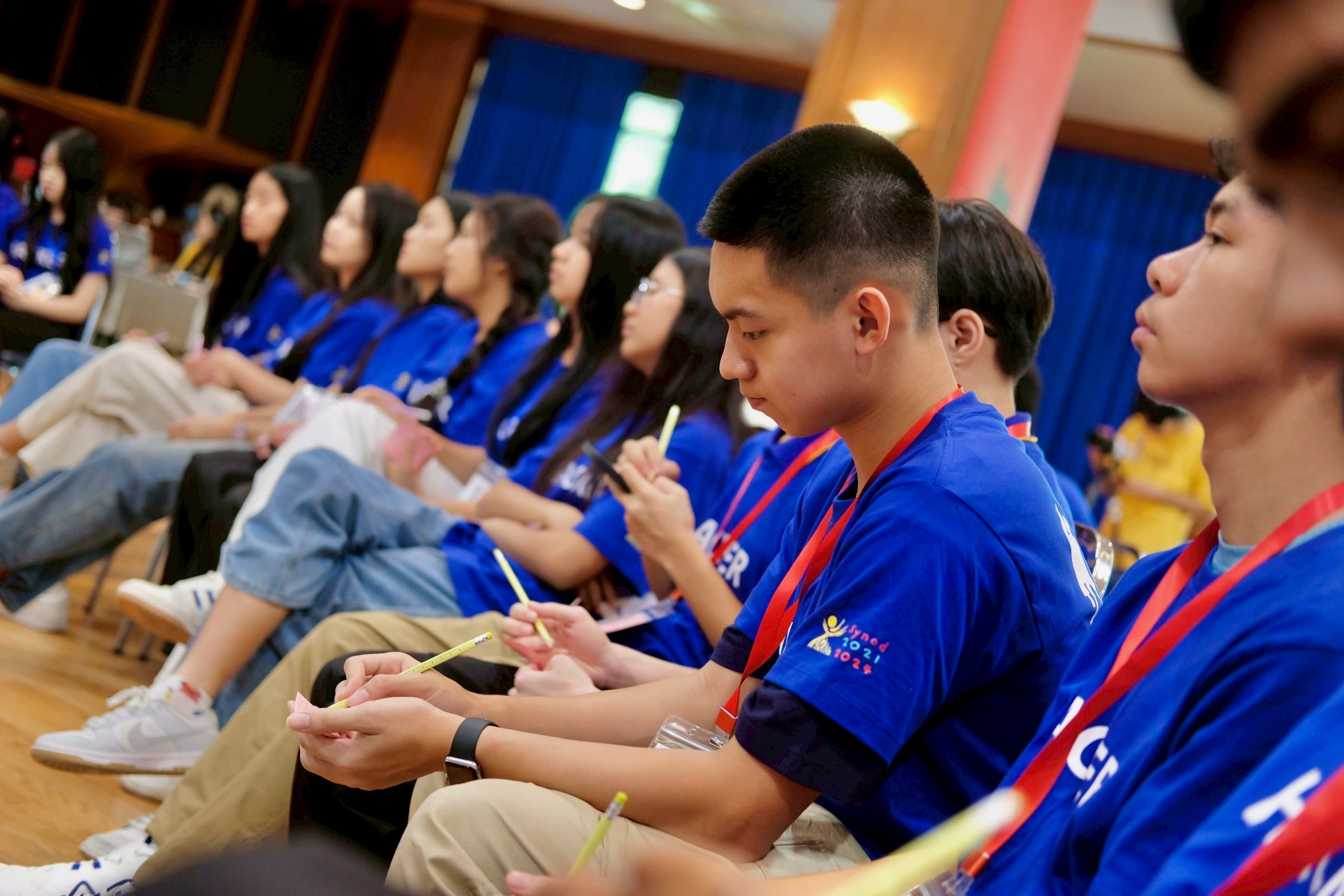

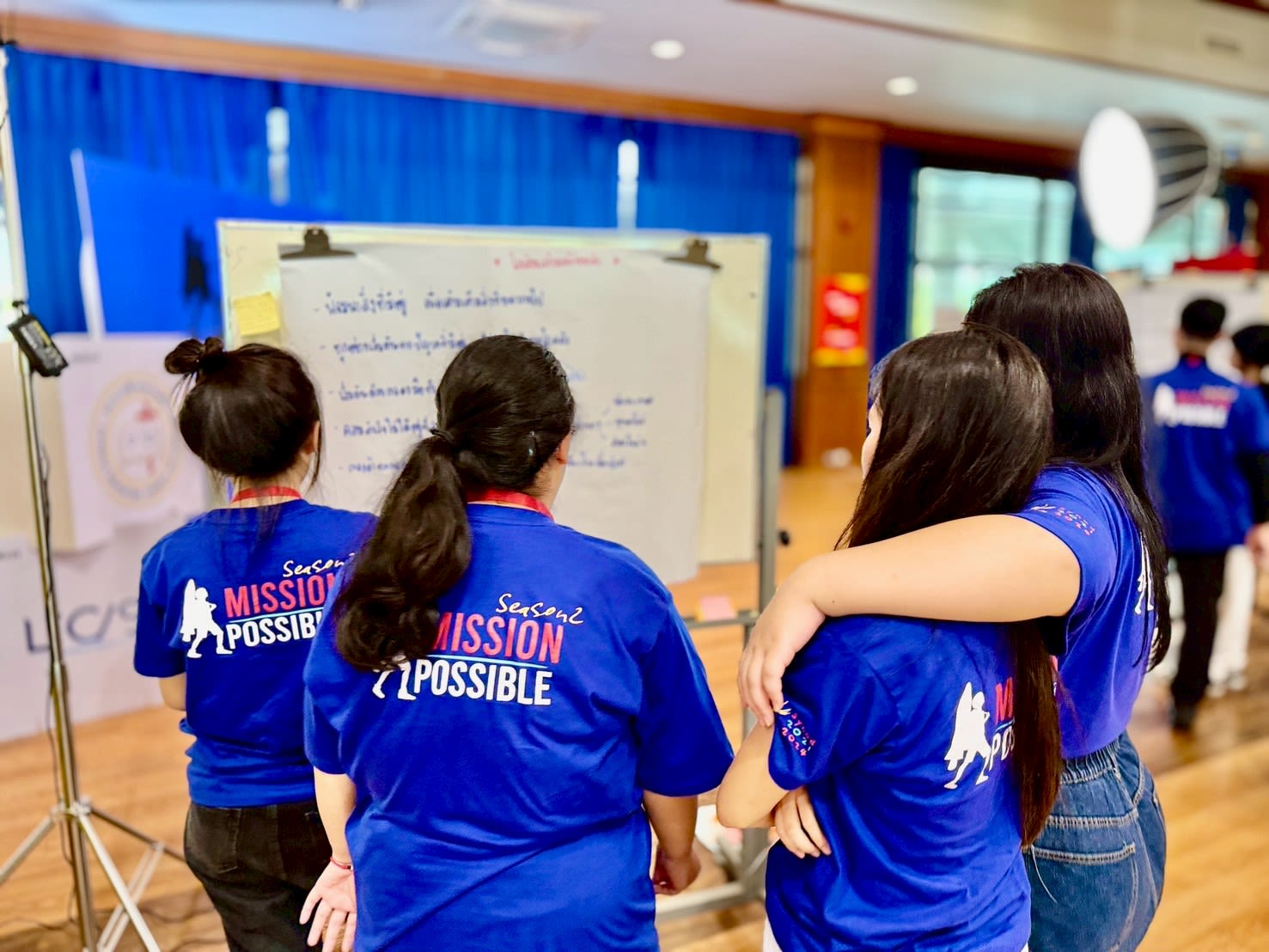

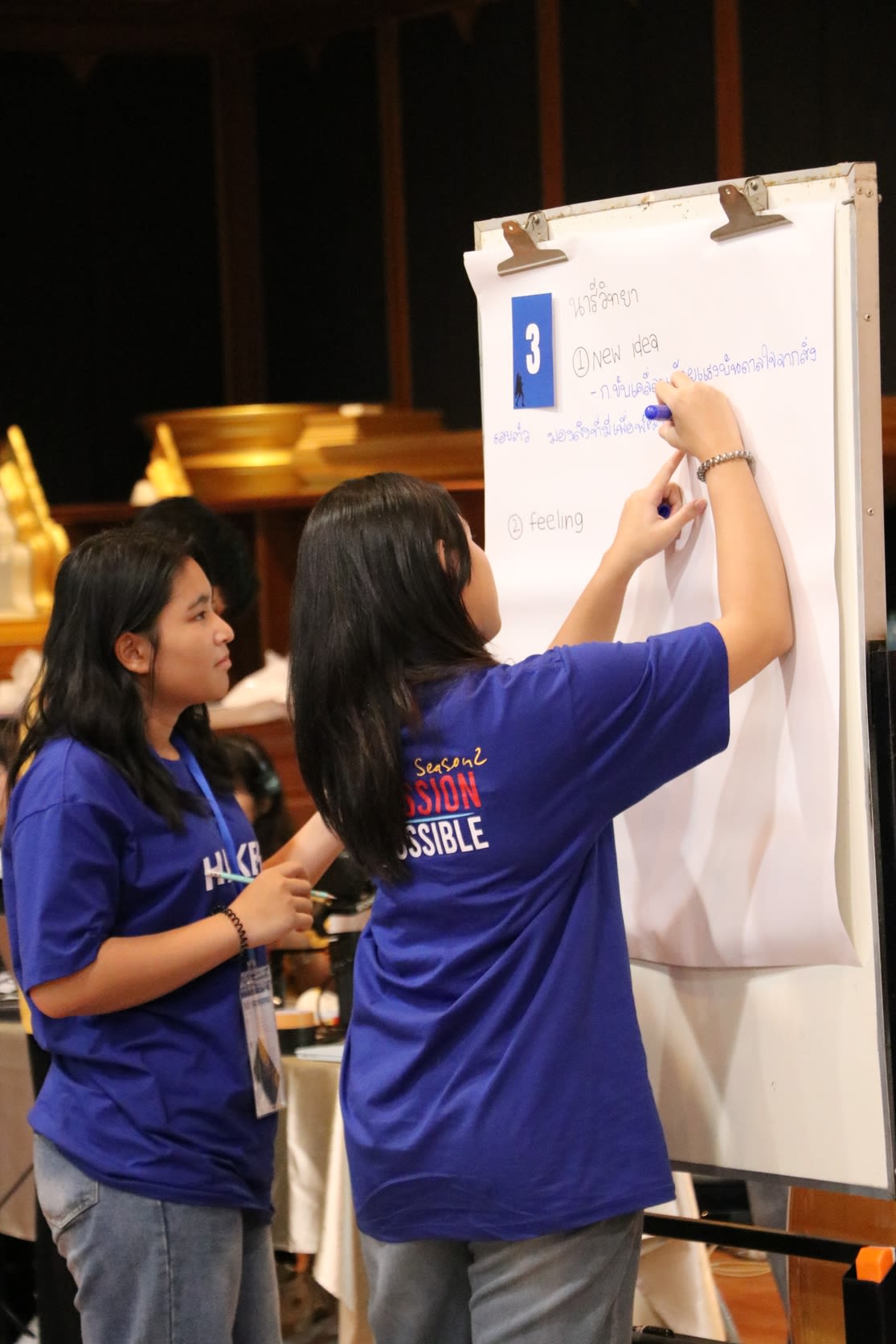

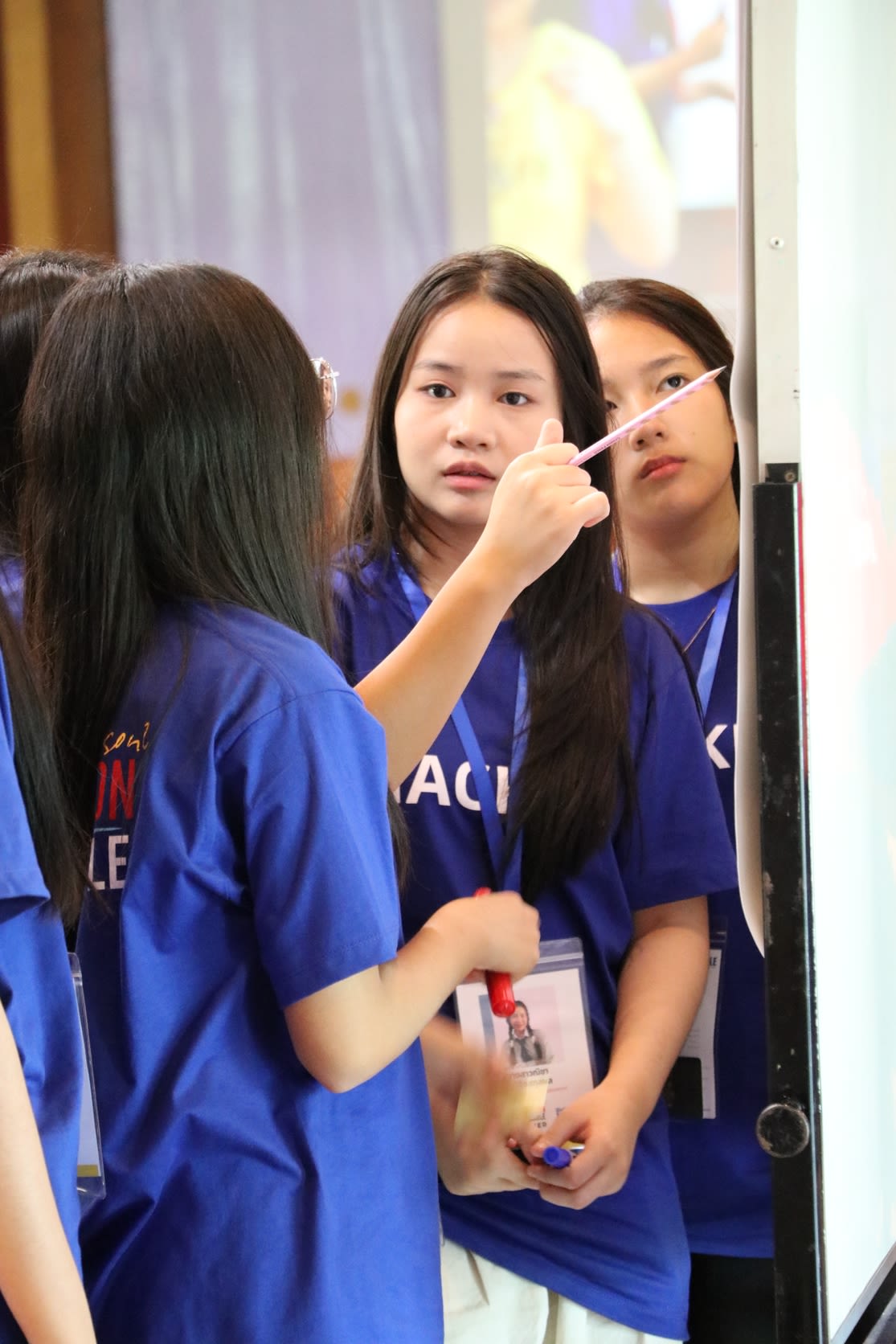

The hackathon launched with a dynamic and engaging first day. Participants were introduced to the Synod principles, the event’s theme, and the challenges ahead. The day’s keynote sessions set a clear roadmap for the event, ensuring everyone was aligned with the hackathon’s objectives and spirit of collaboration.
Framed by the theme “Together We Make a Better World Possible,” Day 1 oriented students to values-driven innovation and synodal listening. The day began with welcoming words from hosts who encouraged the young participants to take courage in their role as changemakers.
Fr. Paul Ekarat Homprathum, CECT Secretary General, told the gathering, “We will journey together in the spirit of the Synod. Just as two Popes have done before us — Popes’ social hackathoners, we are the social hackers.” His words set the tone of shared mission and youthful energy.
Dr. Chainarong Monthienvichienchai added that he hoped the “impossible missions” adults have struggled with — and never really solved — could finally become Mission Possible. “These are challenges that can truly be addressed by young people — who bring fresh thinking, bold ideas, and the freedom to think beyond and outside the box,” he said.
Echoing the sentiment, Peter Monthienvichienchai, Executive Director of LiCAS, admitted, “To be honest, today felt like an impossible day even for Mission Possible. But every hacker who came here today — each one of you — has turned the impossible into possible.”
The inspiration continued with mentors who shared personal journeys that embodied resilience, vision, and purpose.
Than Nitcharee Peneakchanasak, a fighter for human rights, reflected on her life-changing experience after a major accident at the age of 14. “As an amputee, I made the choice to not be bedbound. I chose to live a different life — the life I wanted it to be,” she told the audience.
Ada Chirapaisarnkul, a role model of lifelong learning and social change, reminded the youth that “everyone is a changemaker. Just start by doing. If it’s not the right fit, change your approach or change your path.”
Meanwhile, Dr. Santi Lapbenjakul, expert in rolling out nationwide healthcare measures, spoke about the importance of systems rooted in compassion, saying that true care is not only about treating illness but “about deeply understanding people’s lives and building systems that grow from that understanding.”
Together, these reflections wove a hopeful and purpose-driven mindset-shifting narrative, preparing the youth hackers to dive fully into their social innovation journey.
Adding a perspective from environmental activism, Charoen Dinu — an Indigenous community leader and innovator who with zero funding founded a comnmunity school and gave new meaning and values to garbage that was drowning his village — challenged students to see the world differently. “Garbage is only garbage because of us — our mindset” - even discarded things can hold new possibilities if approached with creativity.
Day 2
Intensive "hacking" and expert coaching

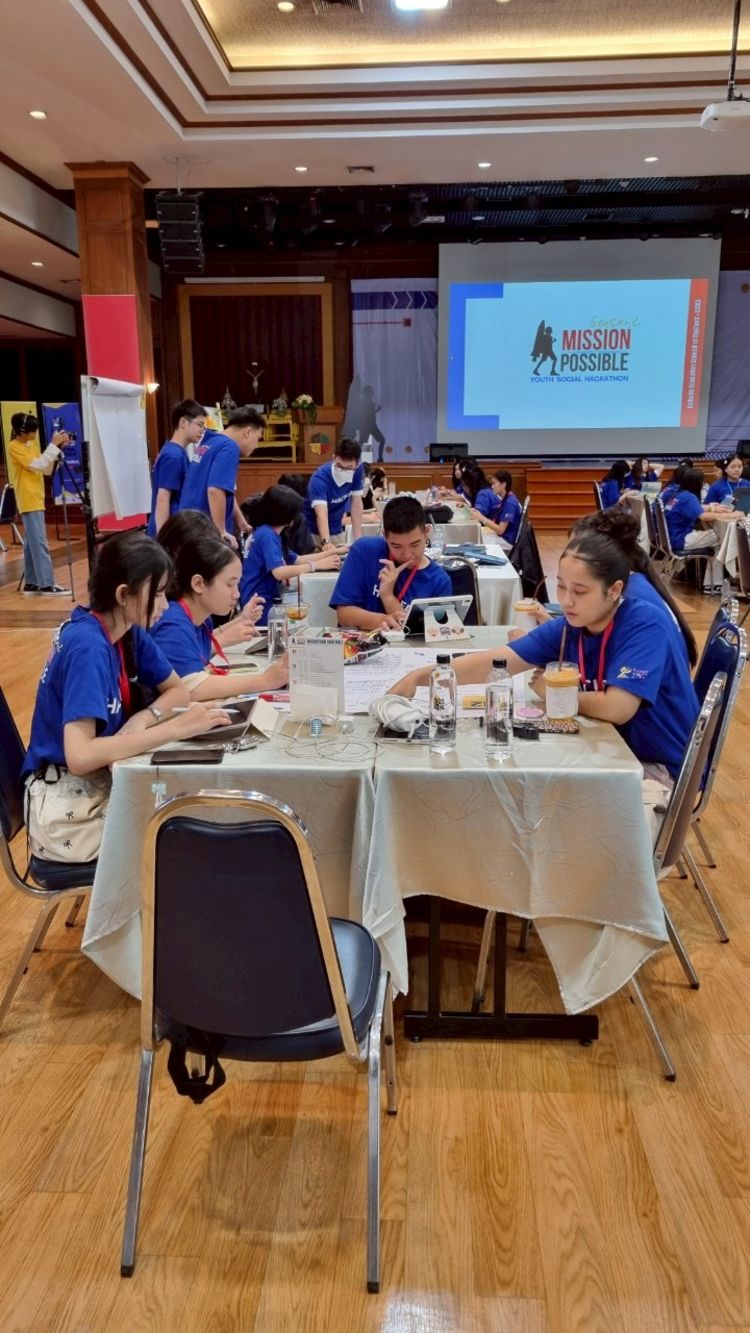
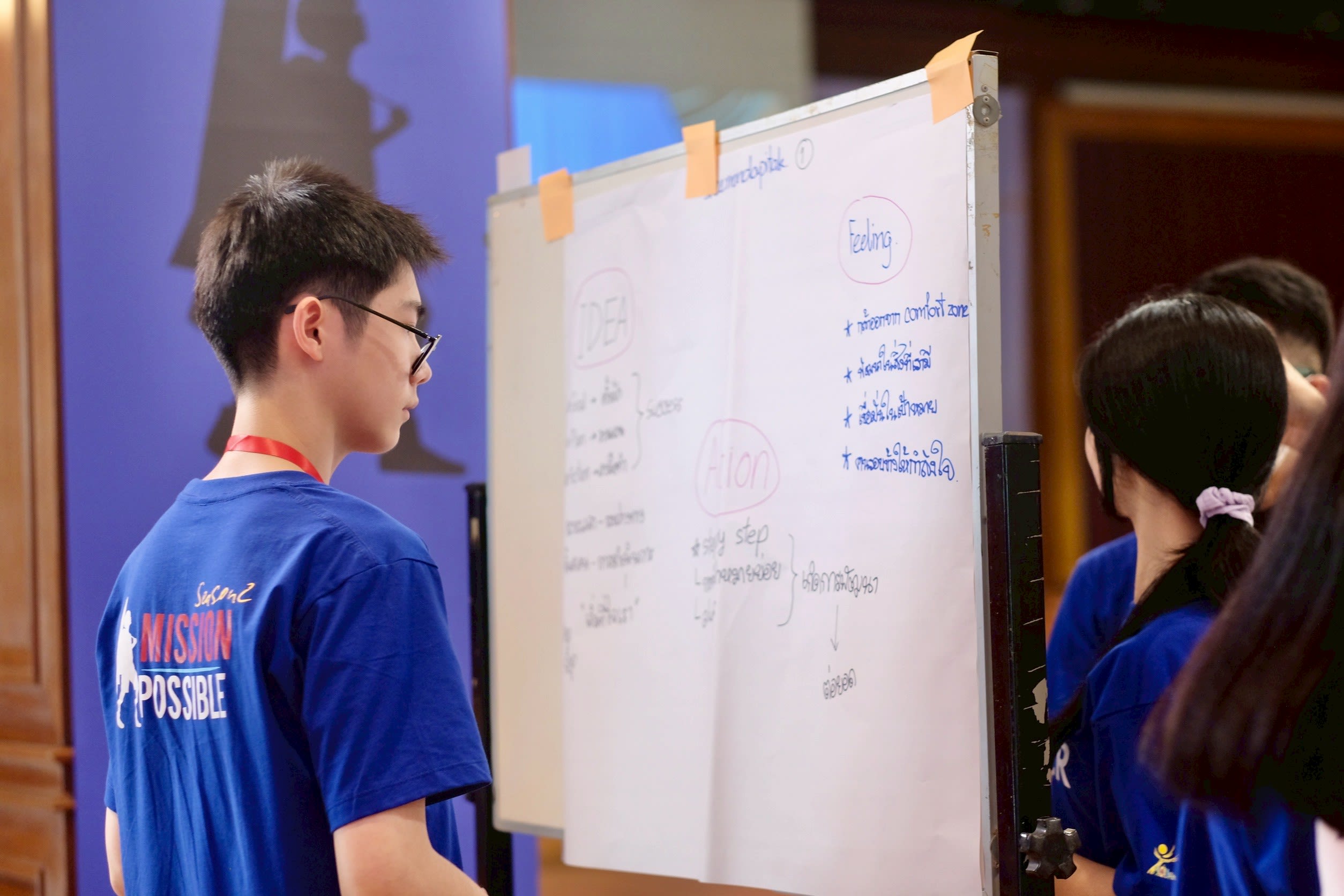
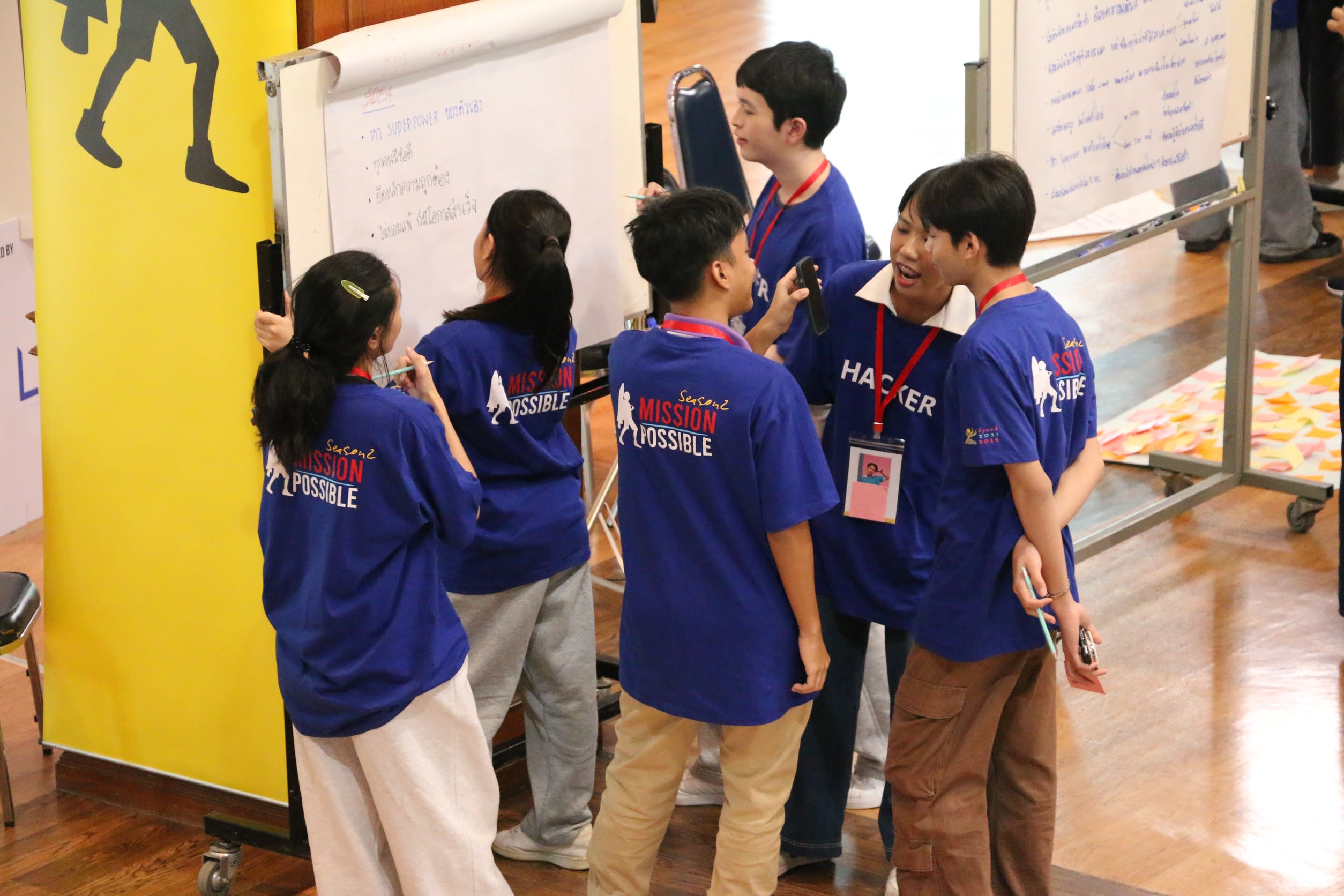
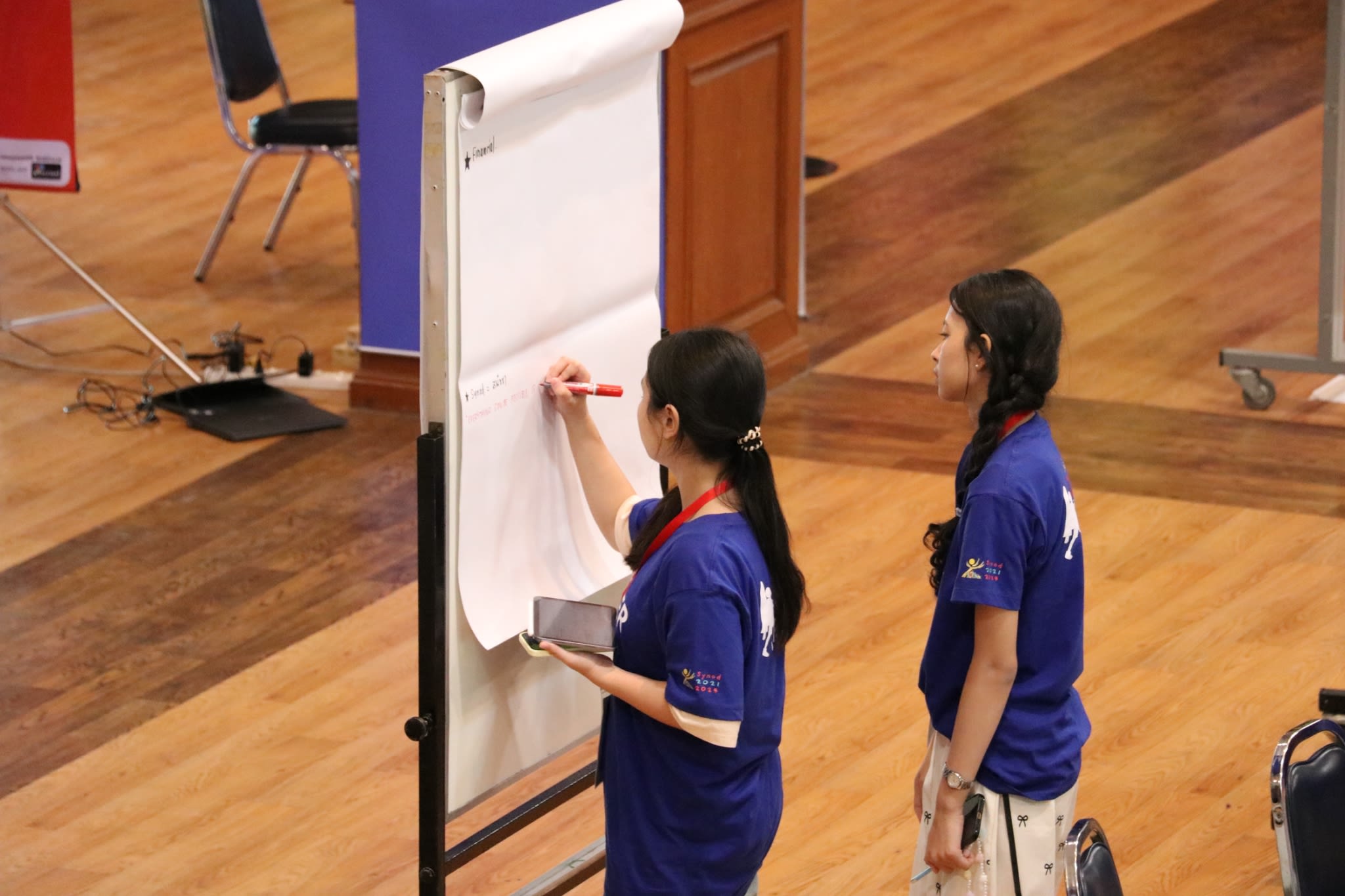
On the second day, teams deepened their work through cycles of brainstorming, prototyping, feedback, and iteration. Each team participated in pitching coaching sessions led by public speaking experts Narudee Kristhanin, Voranunt Prasertmet, Louis Kristhanin, and Athithan Ongpichetmetha, who pushed them to sharpen their arguments and speak with confidence.
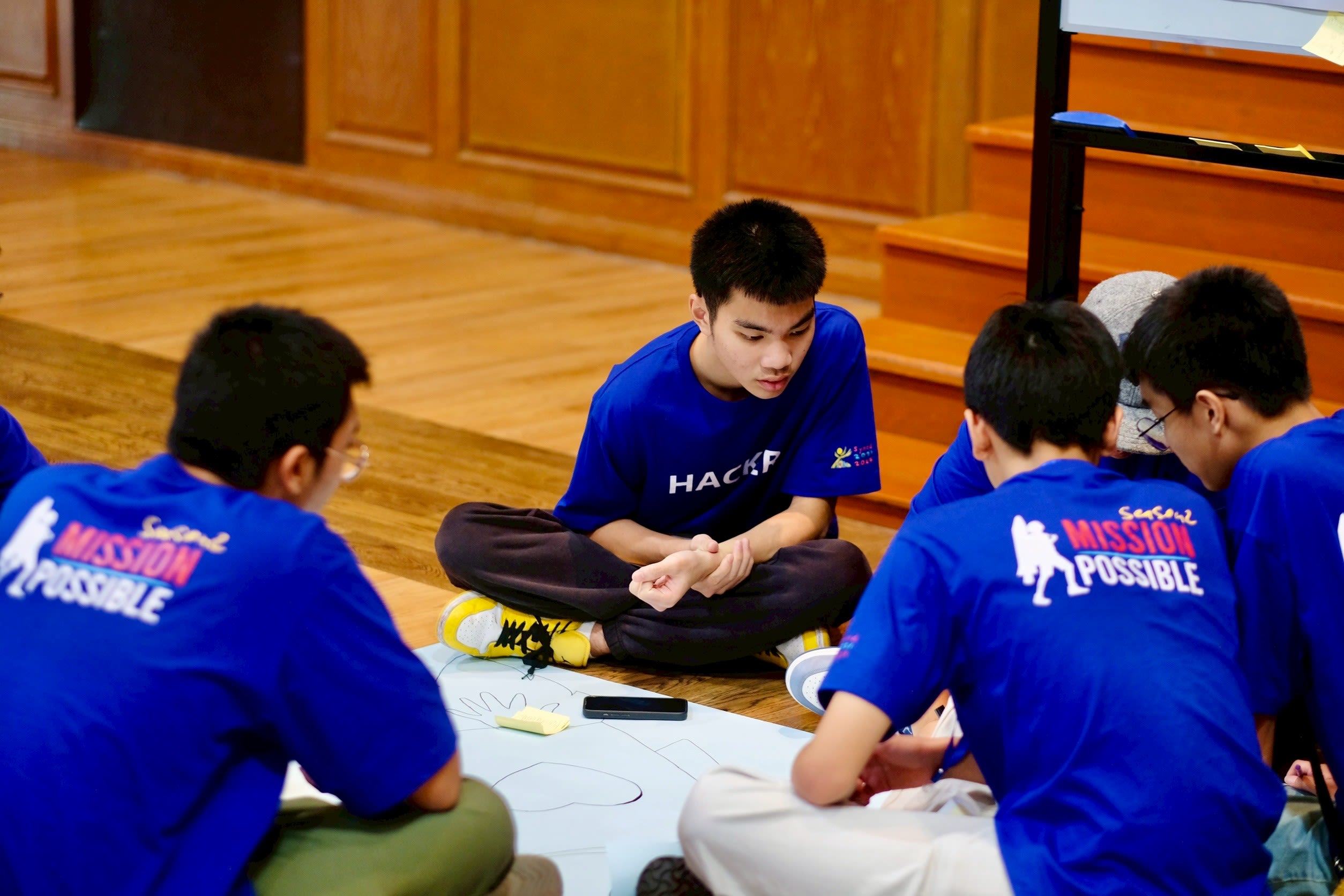
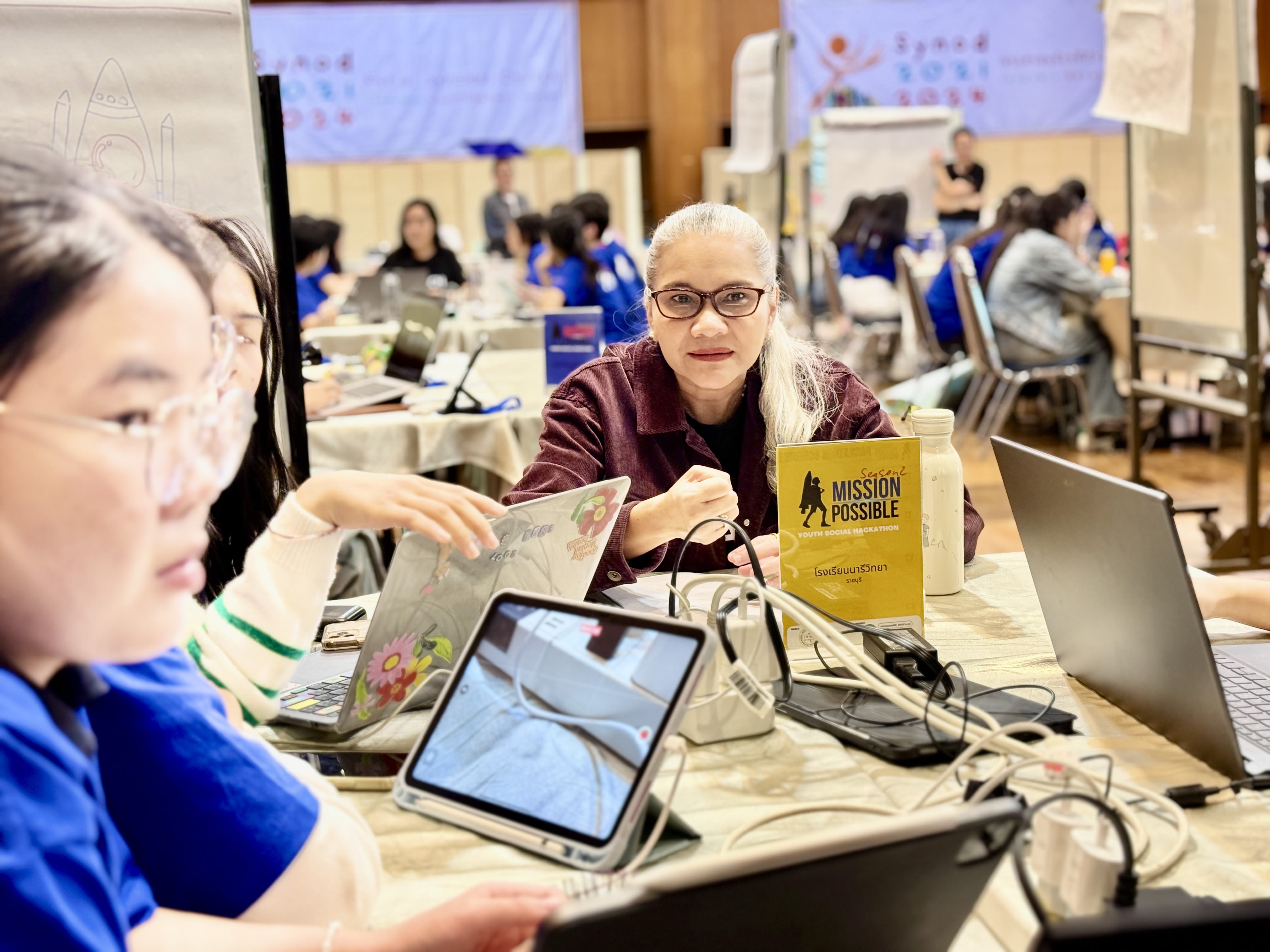
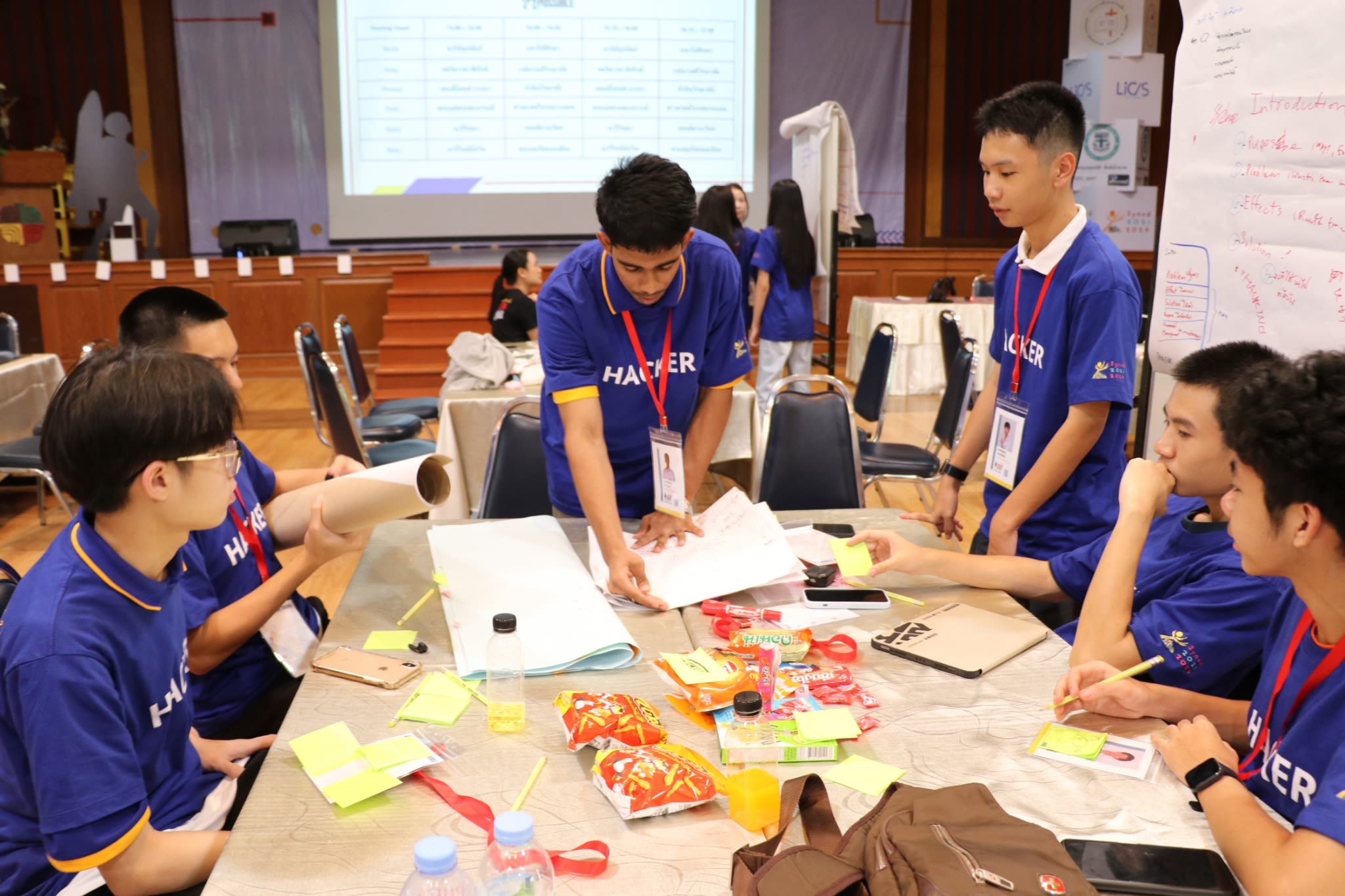
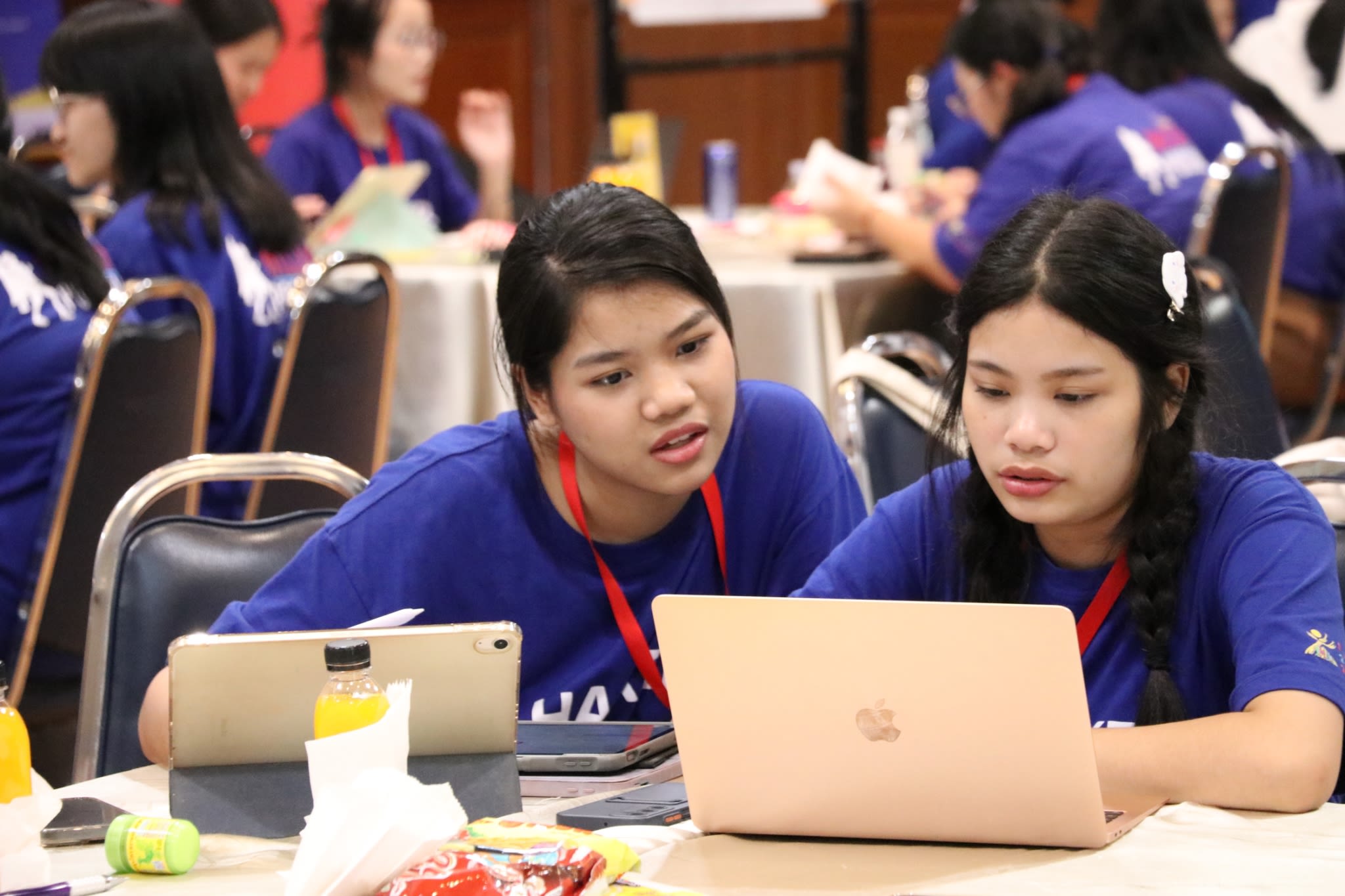
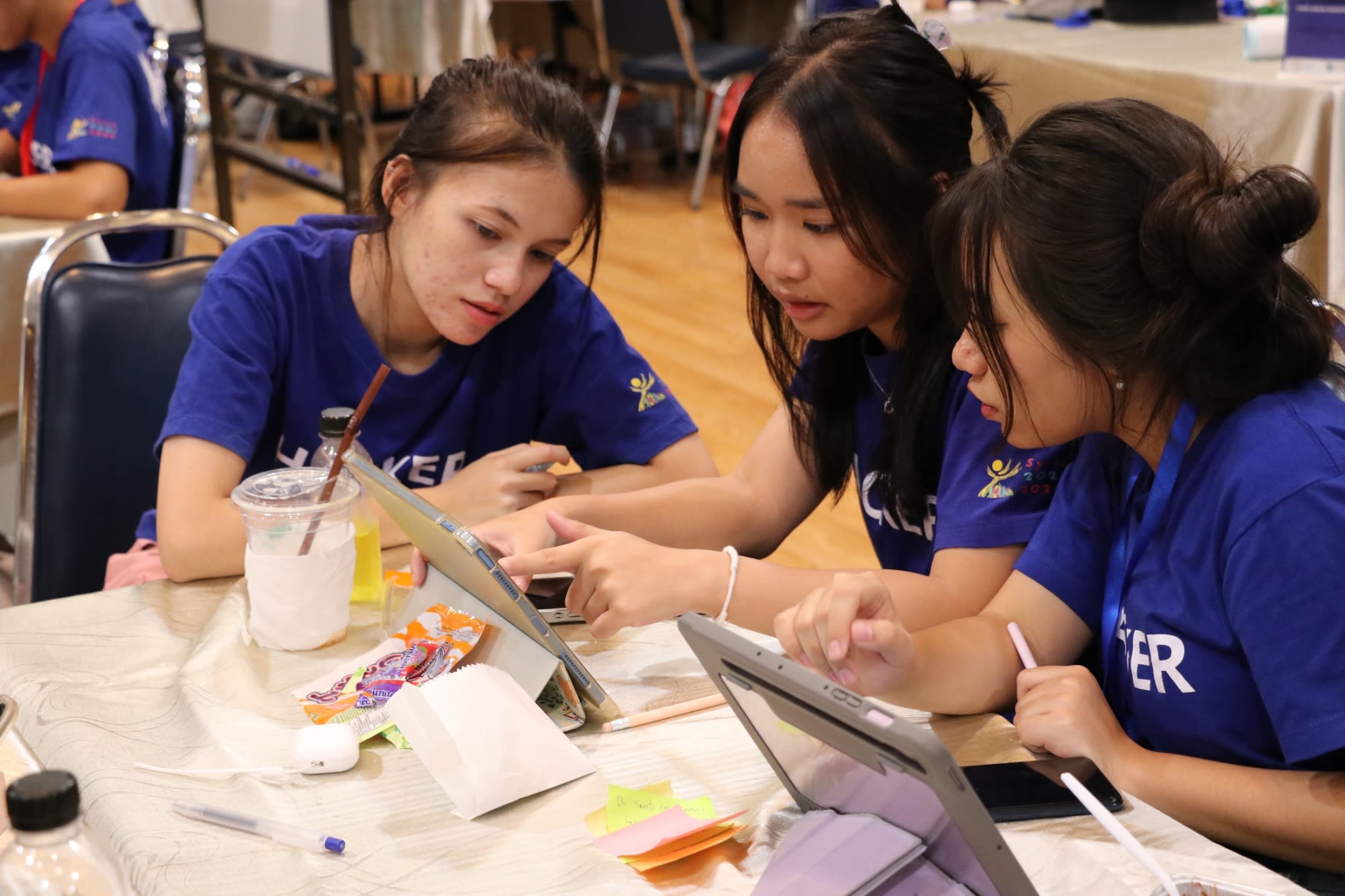
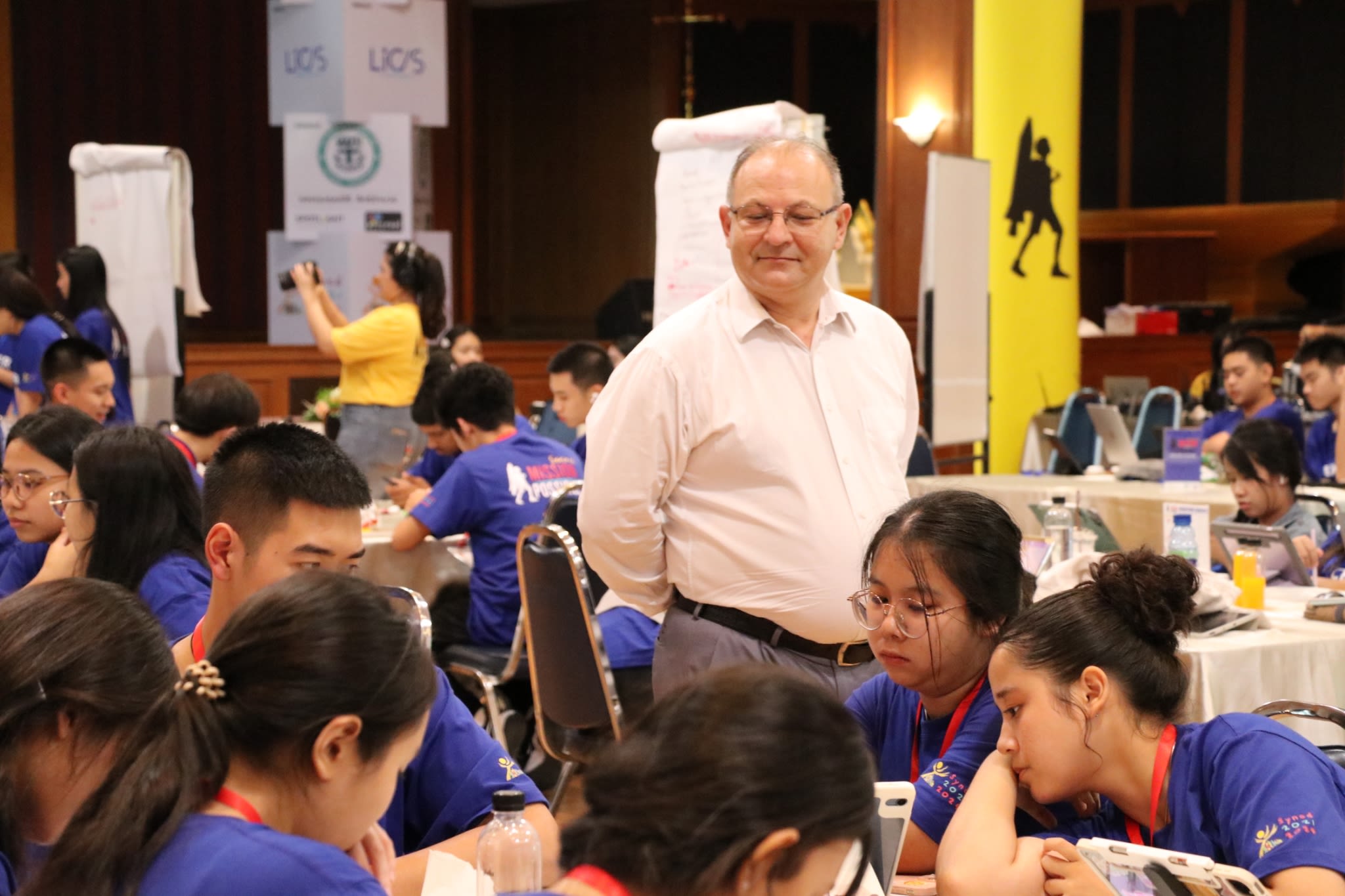
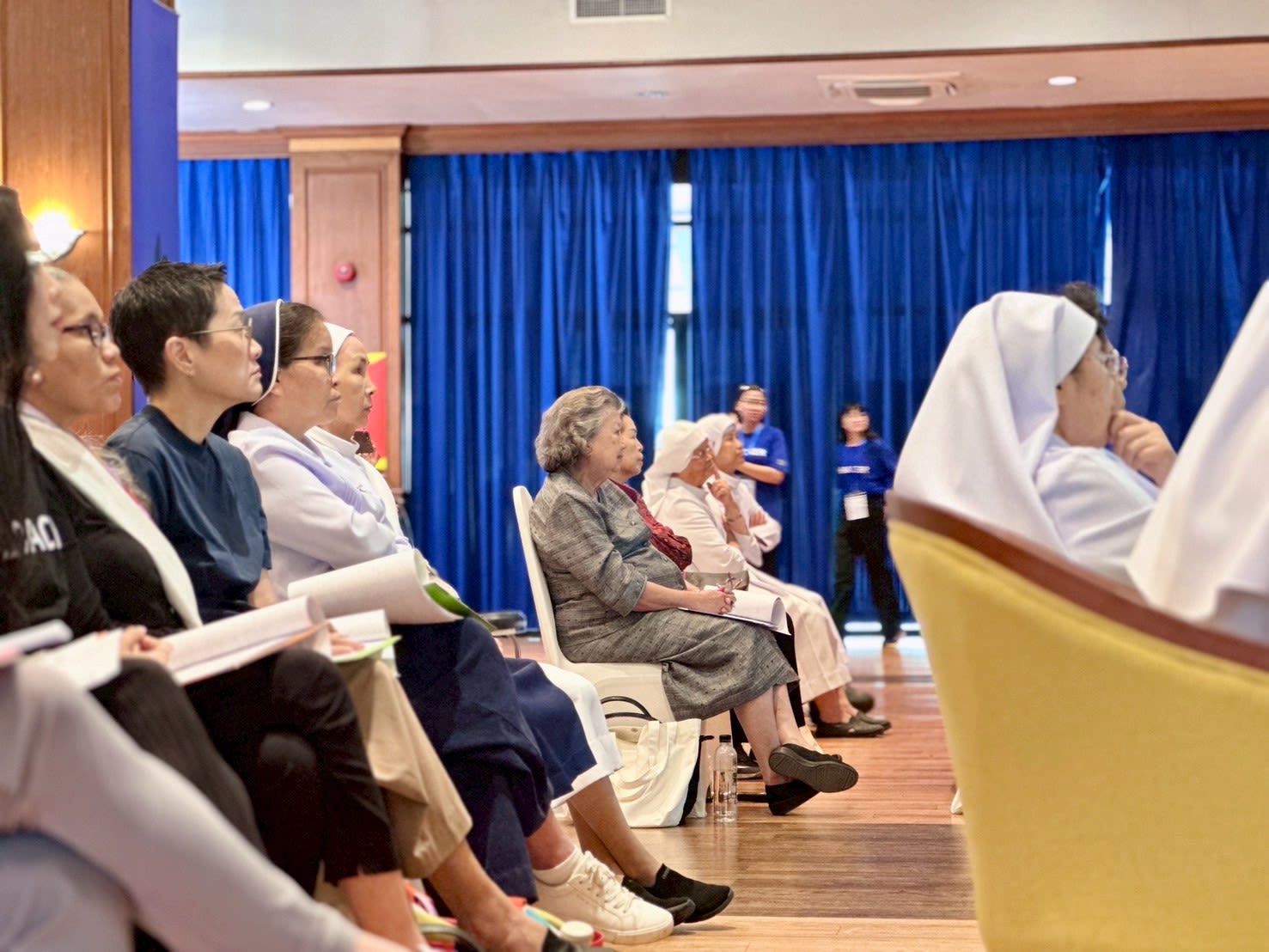
The atmosphere was charged with energy. The “hacking room” remained open for eight hours, stocked with unlimited food and snacks to fuel the young minds. Students huddled in circles - recalling the scenes of the Synod in Rome - laptops glowing, sticky notes covering all sorts of surfaces. The space buzzed with collaboration, laughter, and bursts of inspiration.
For pitching coach Rosalina, the heart of the process mattered most. “Pitching is not about speaking perfectly; it’s about sharing your heart clearly and with confidence,” she explained.





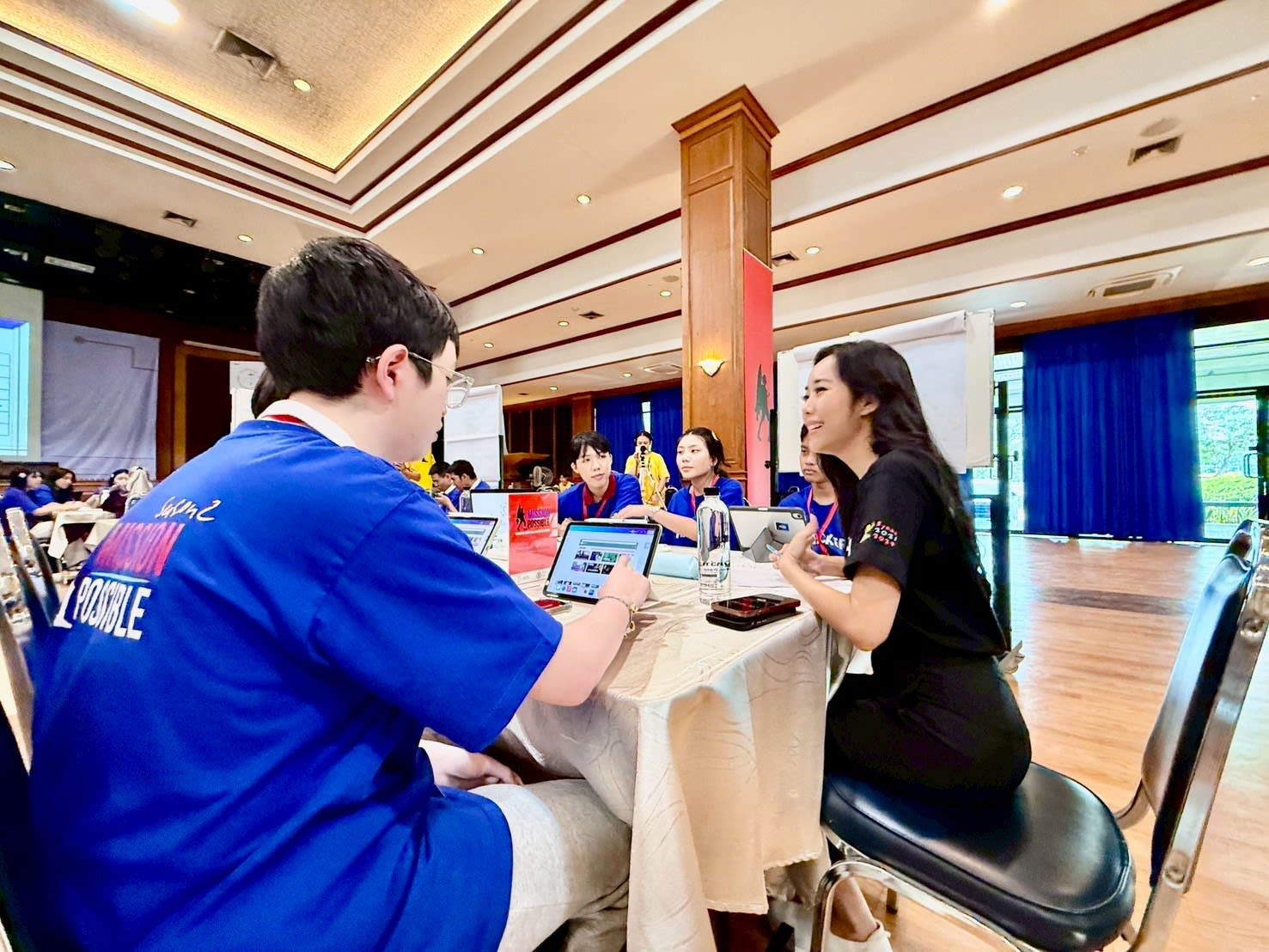



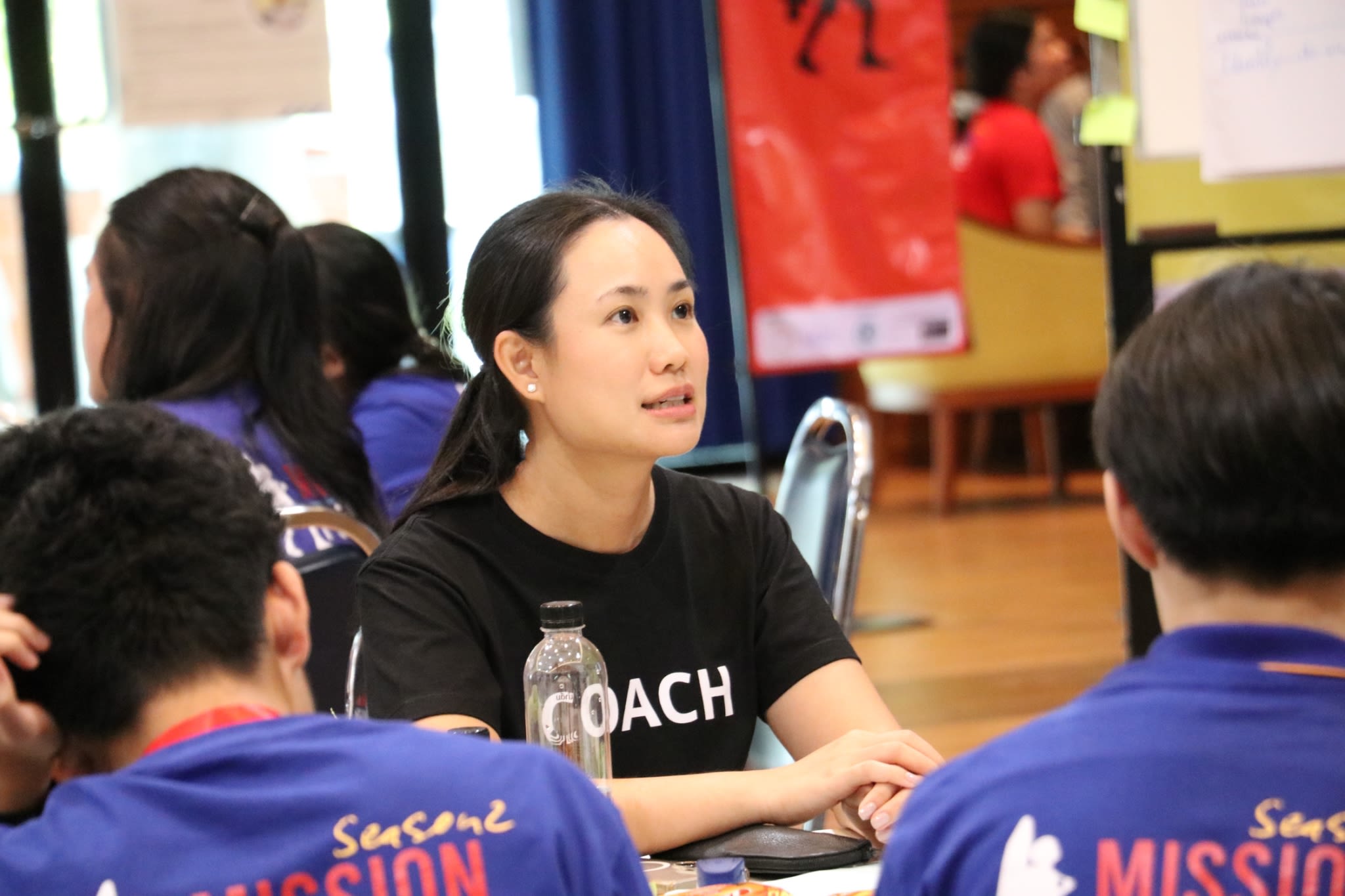

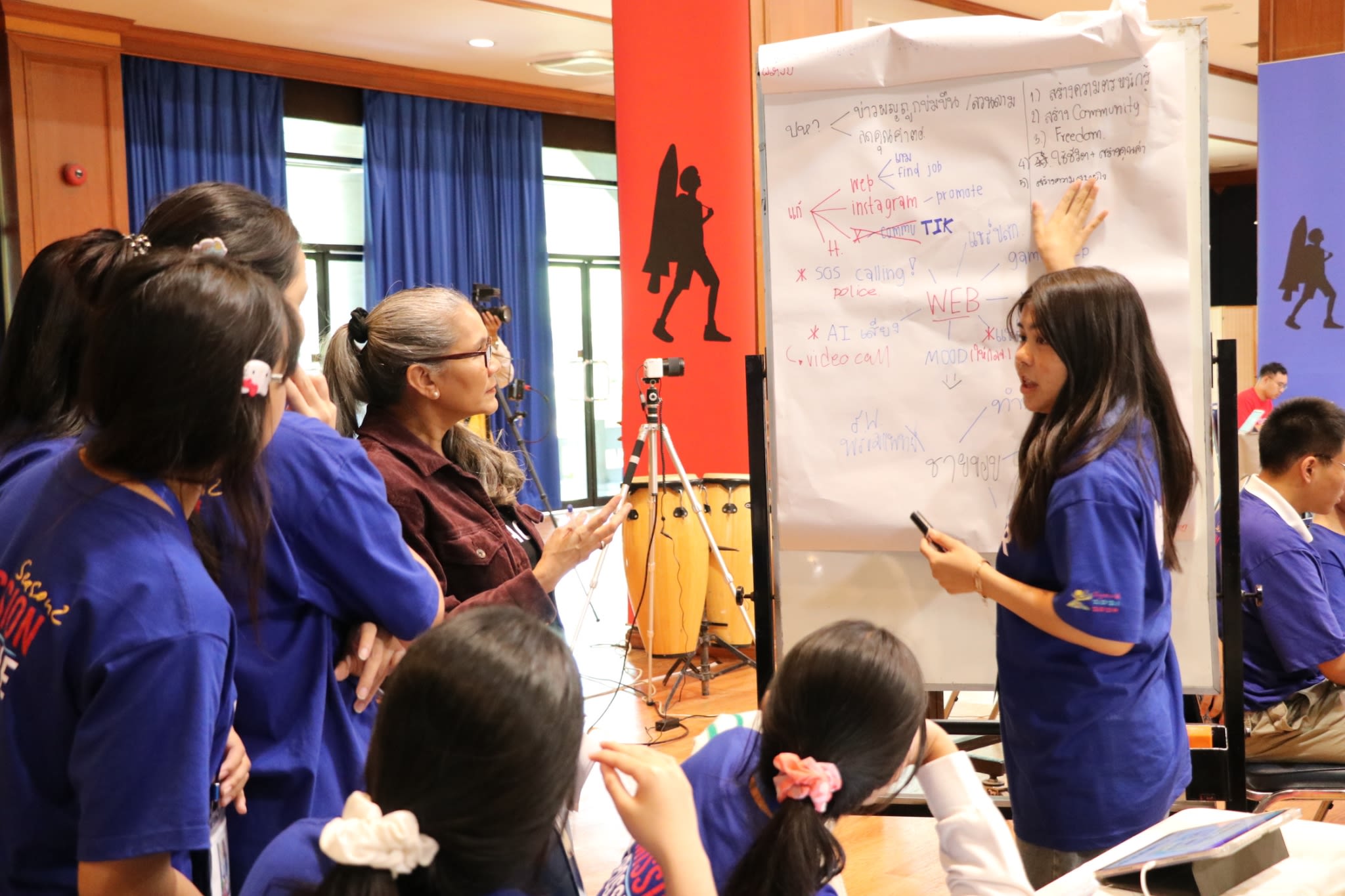

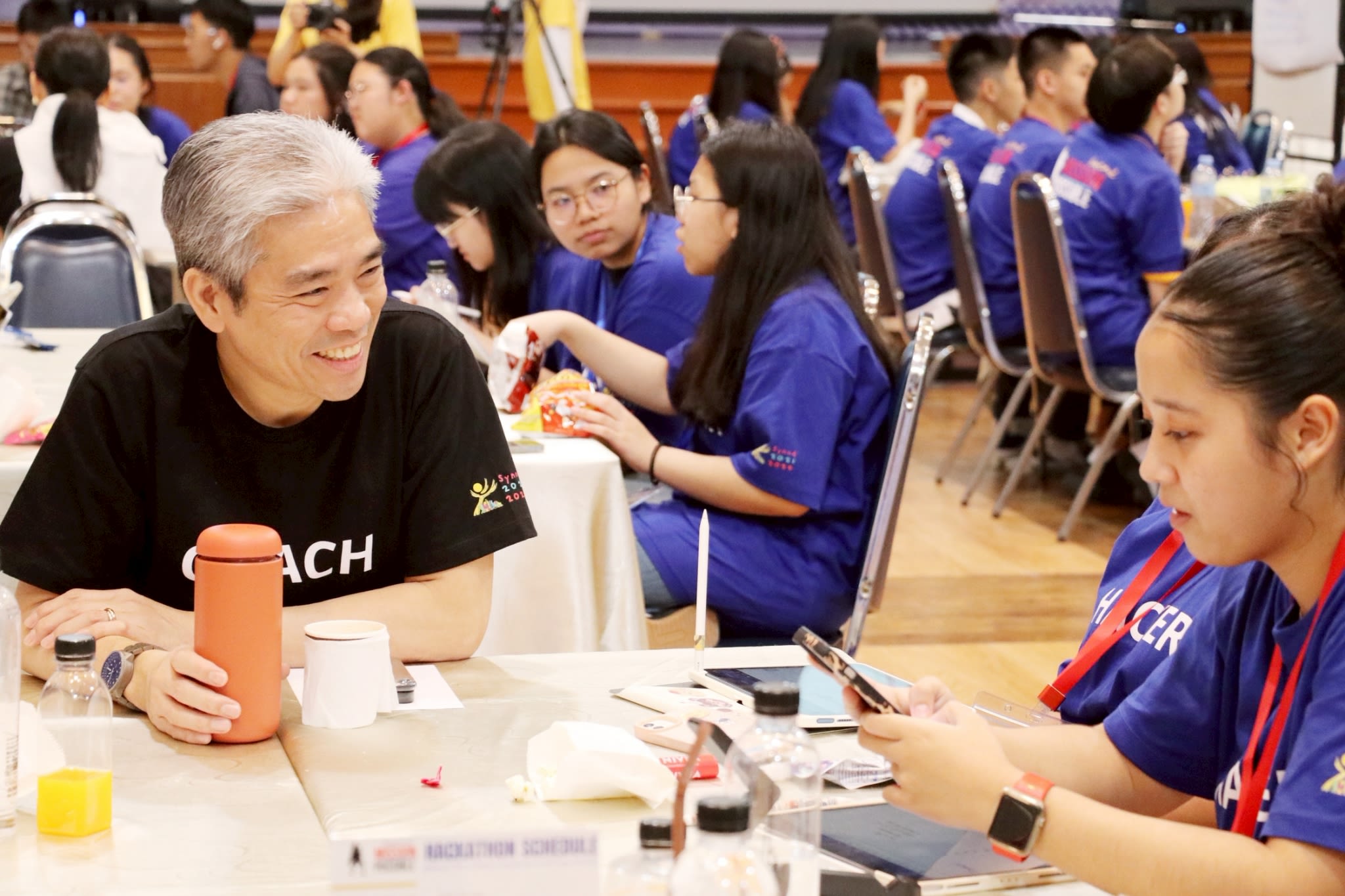


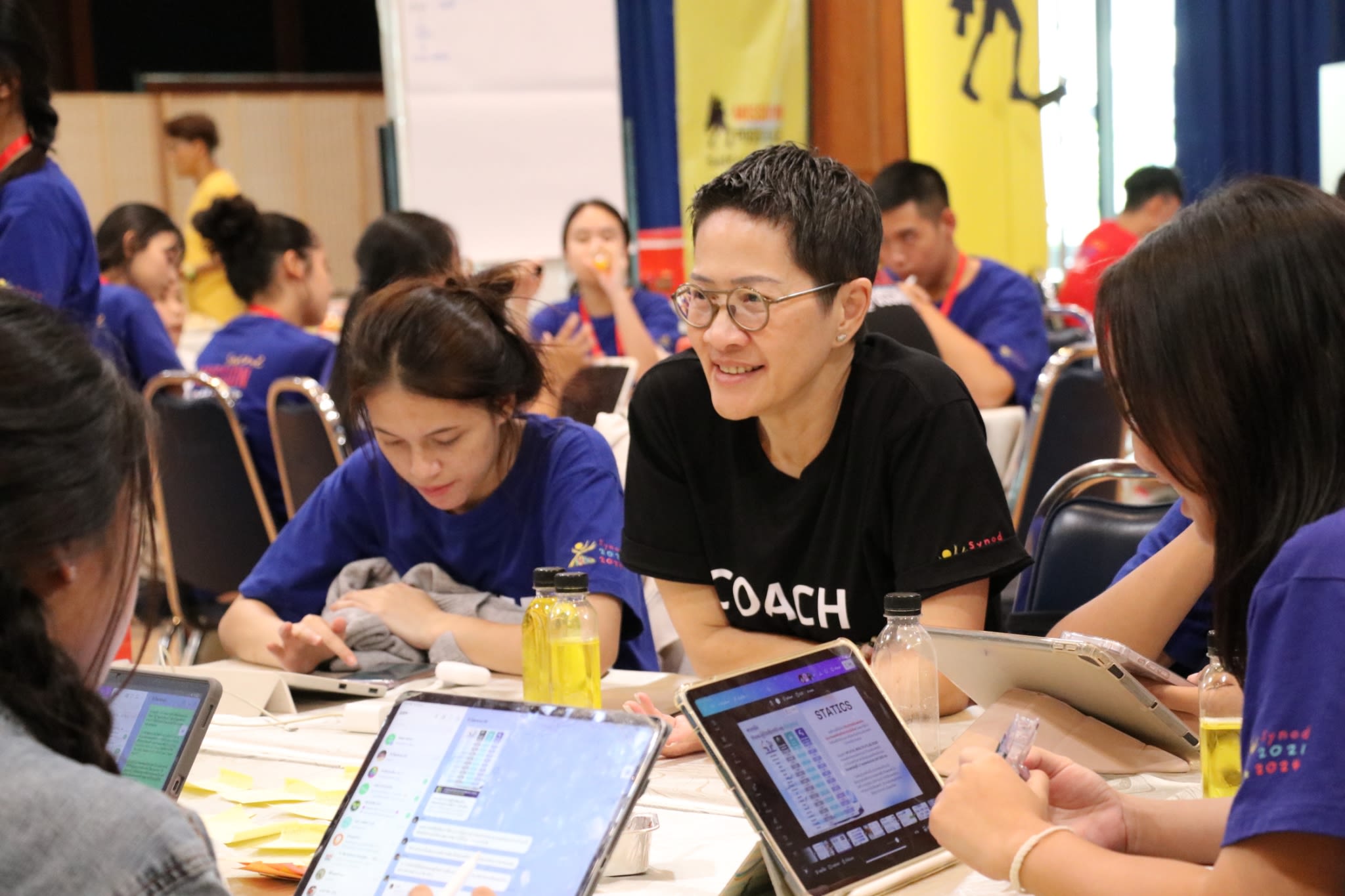
Another inspirational coach, Vimviriya, reminded the youth that “every team has a story that matters. My role is to help them tell it in the most impactful way.”

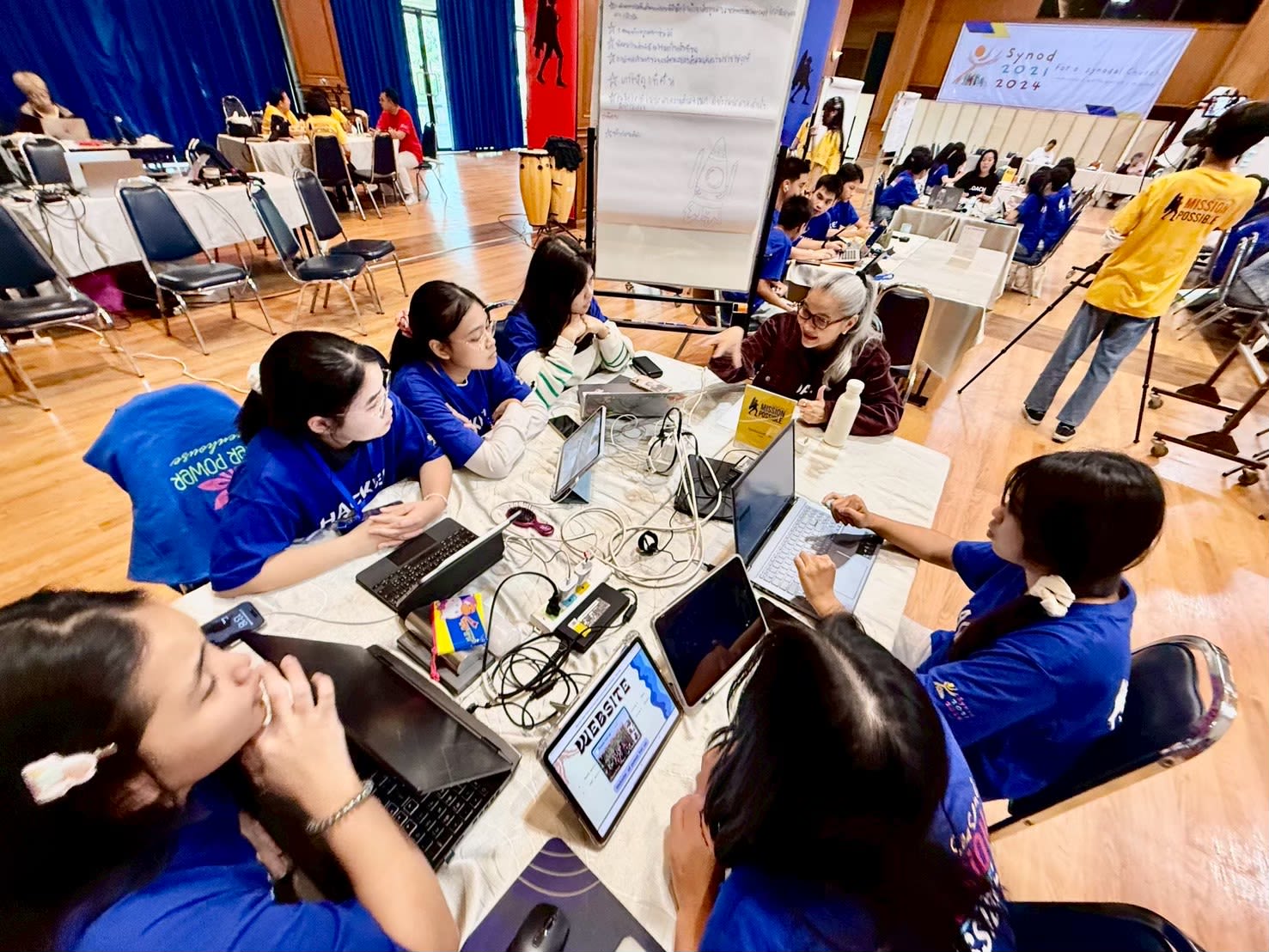

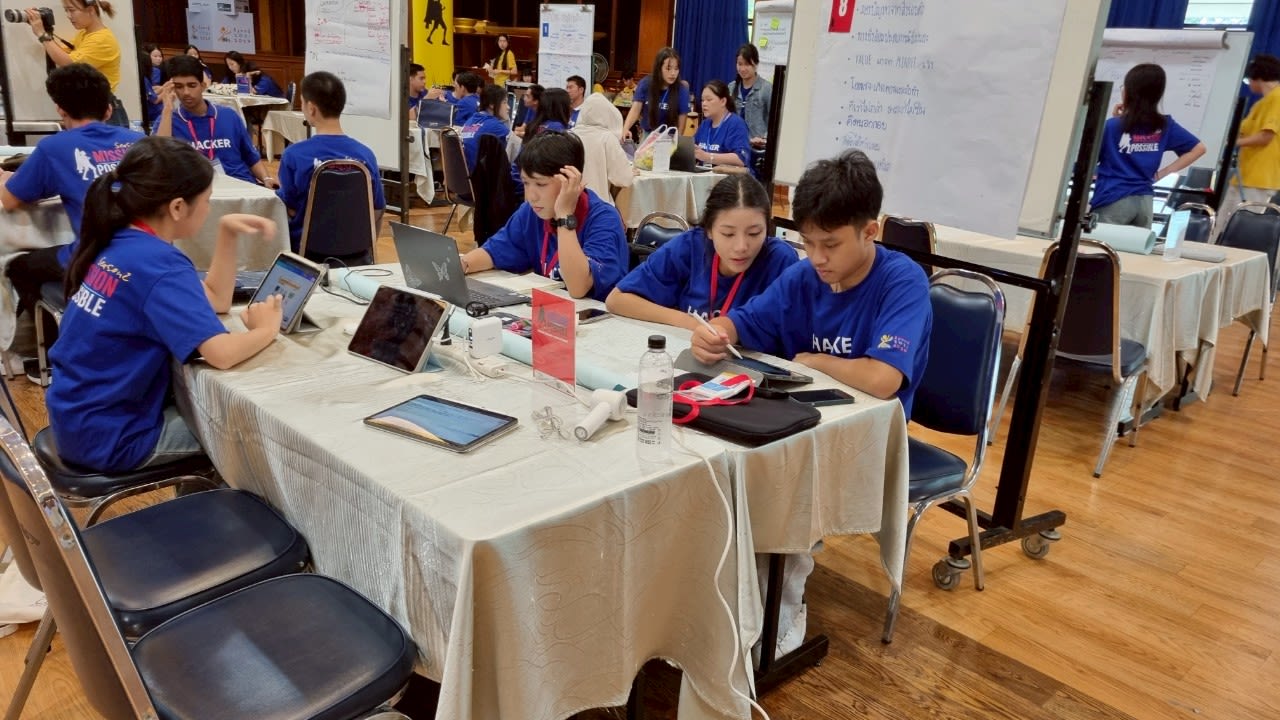

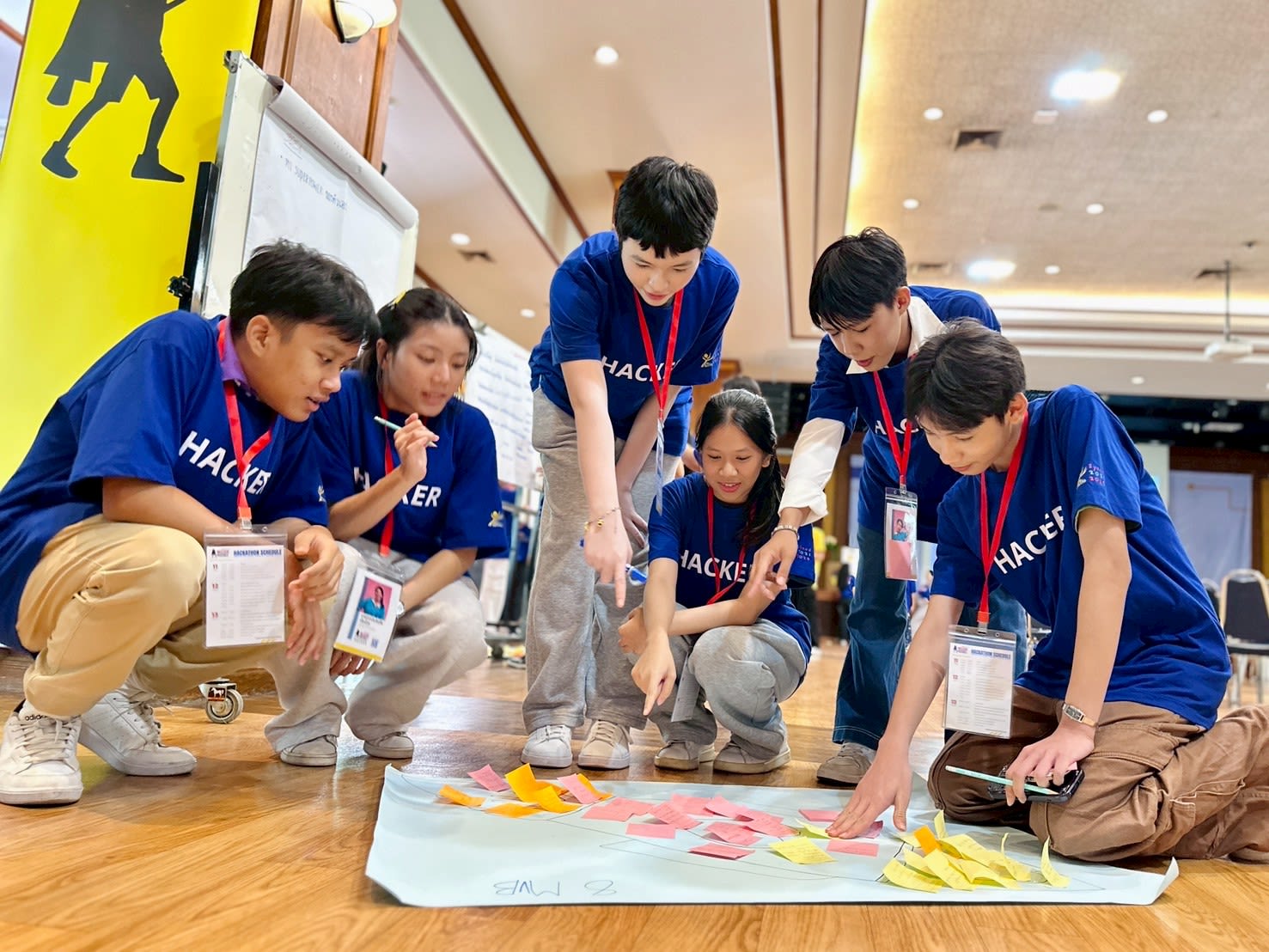

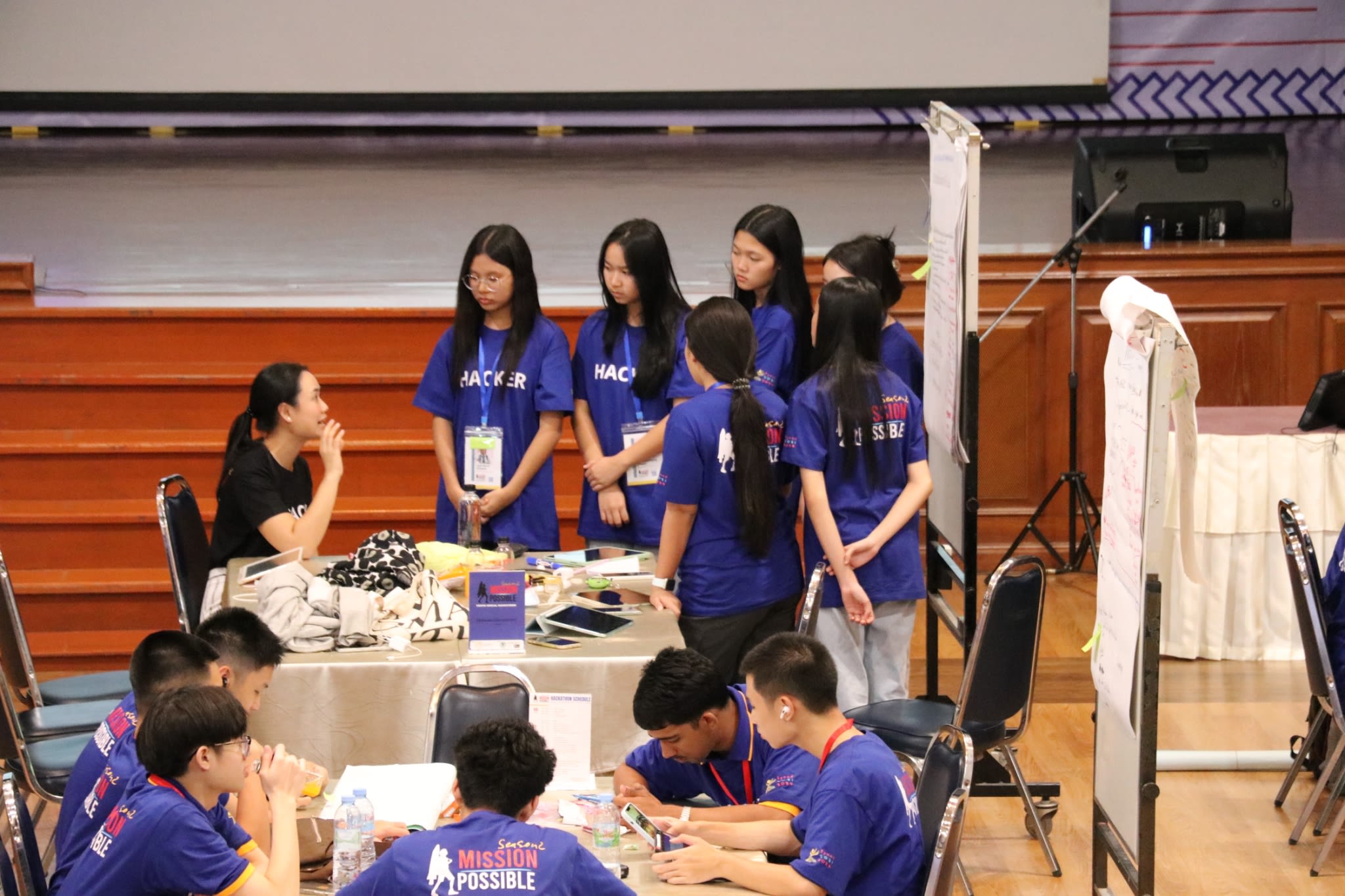

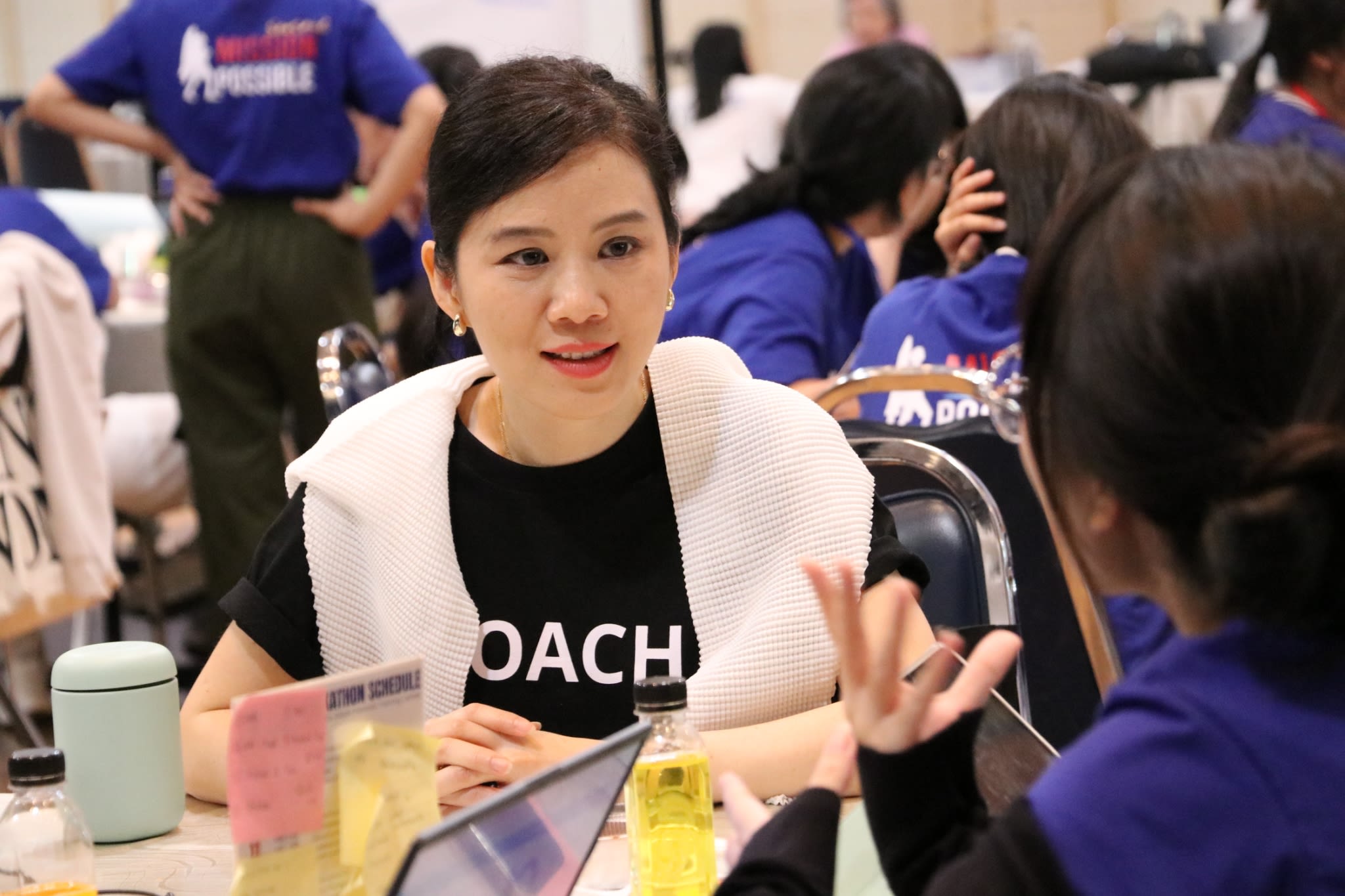

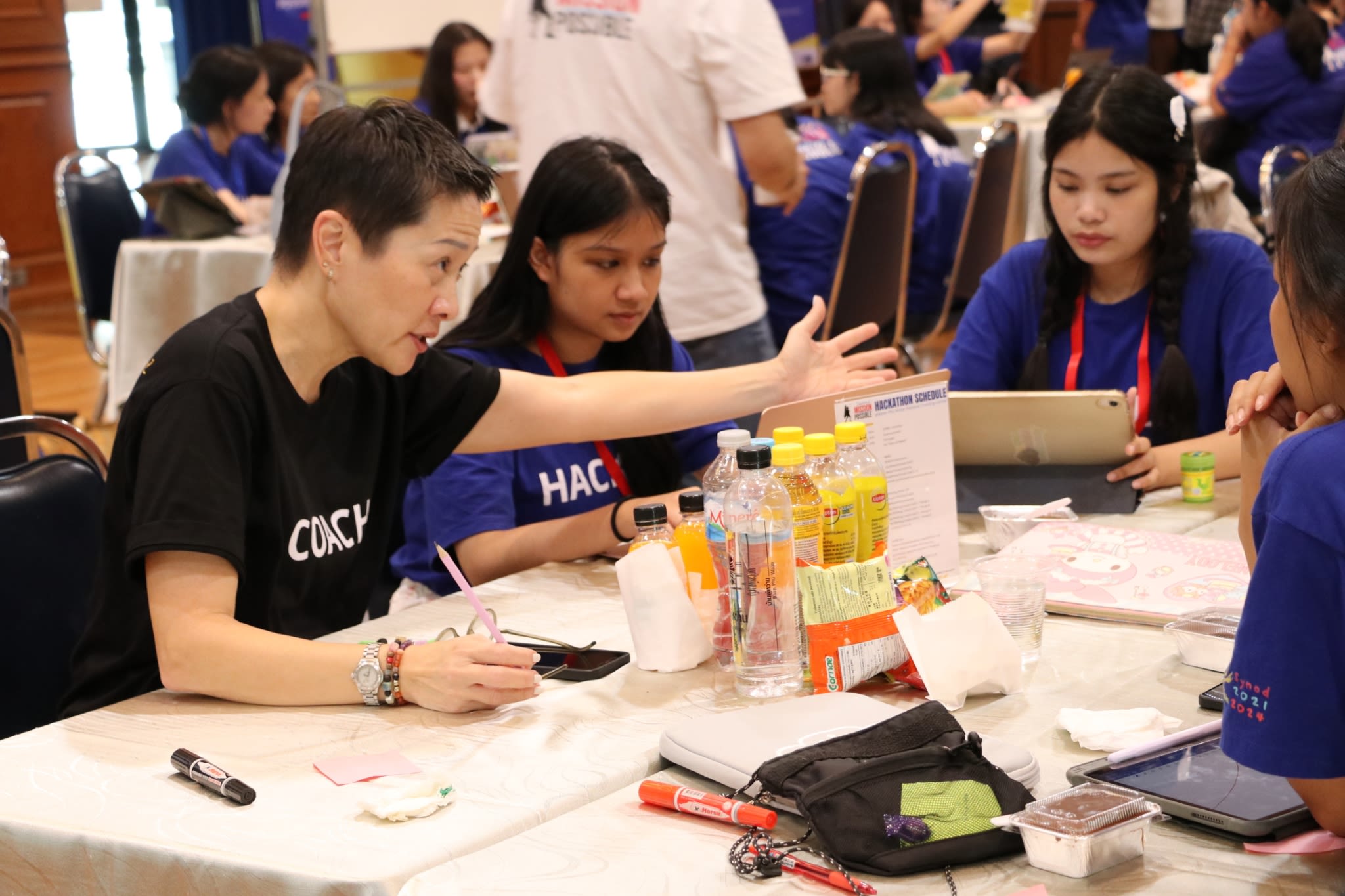

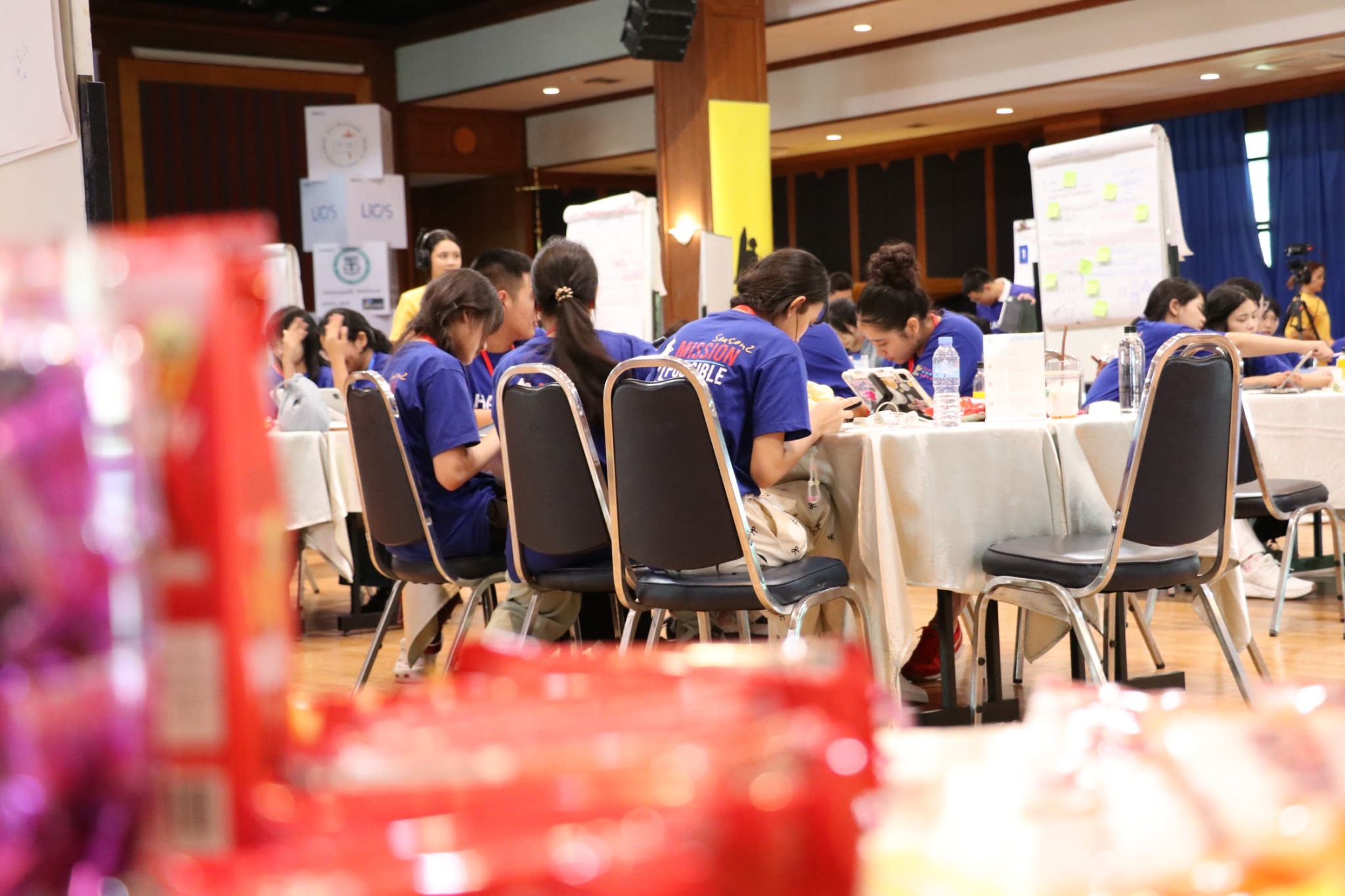

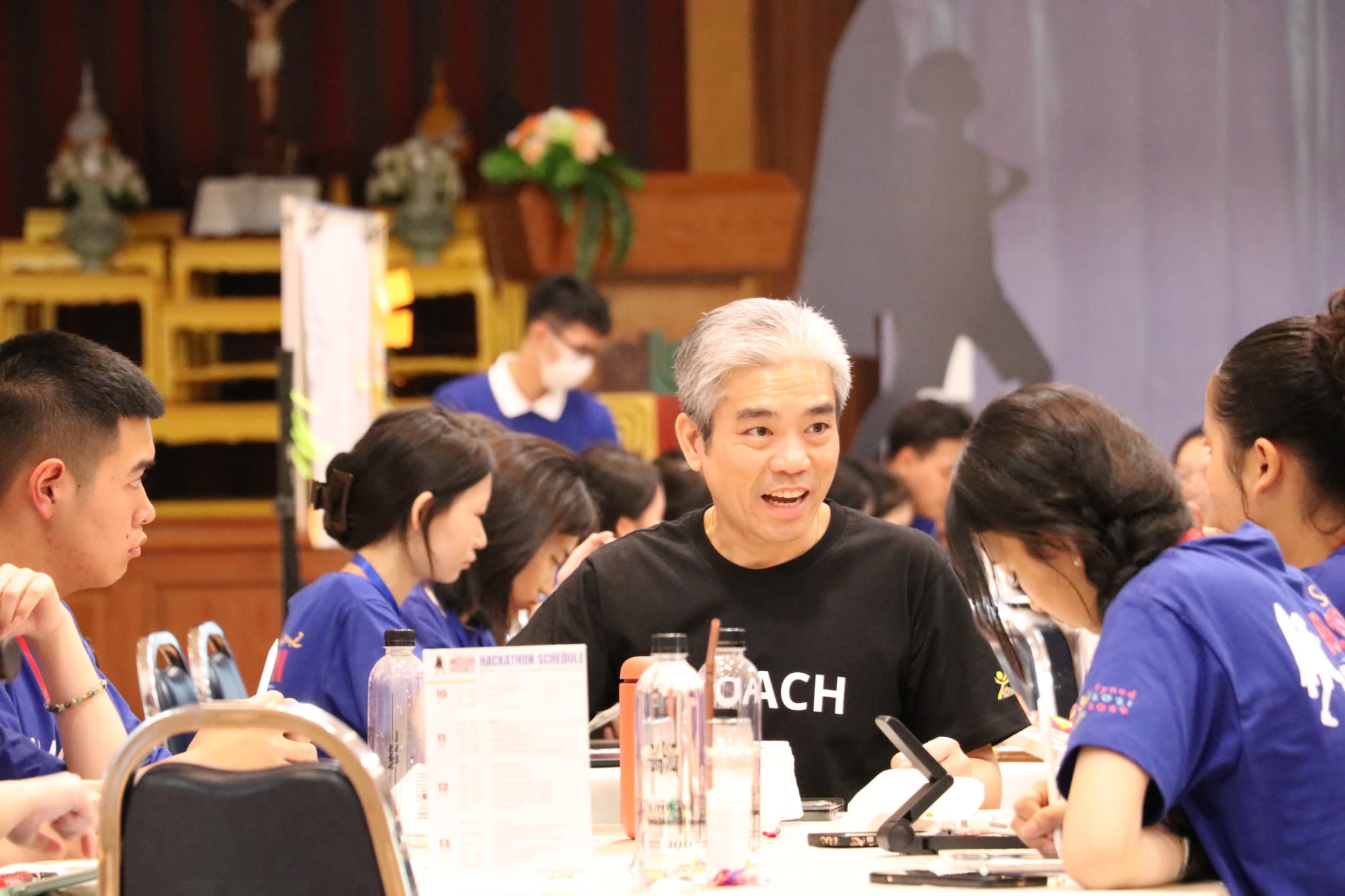

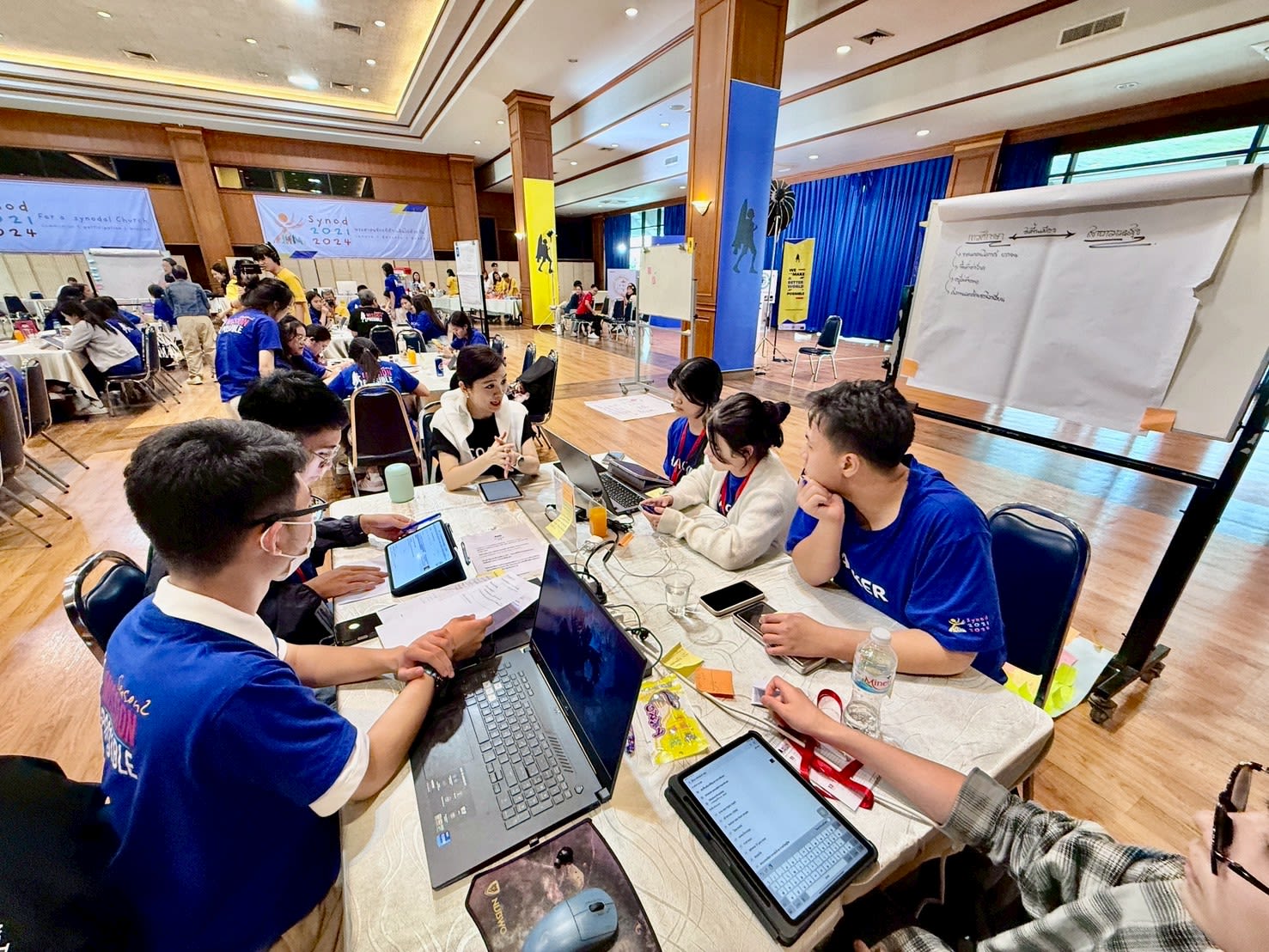

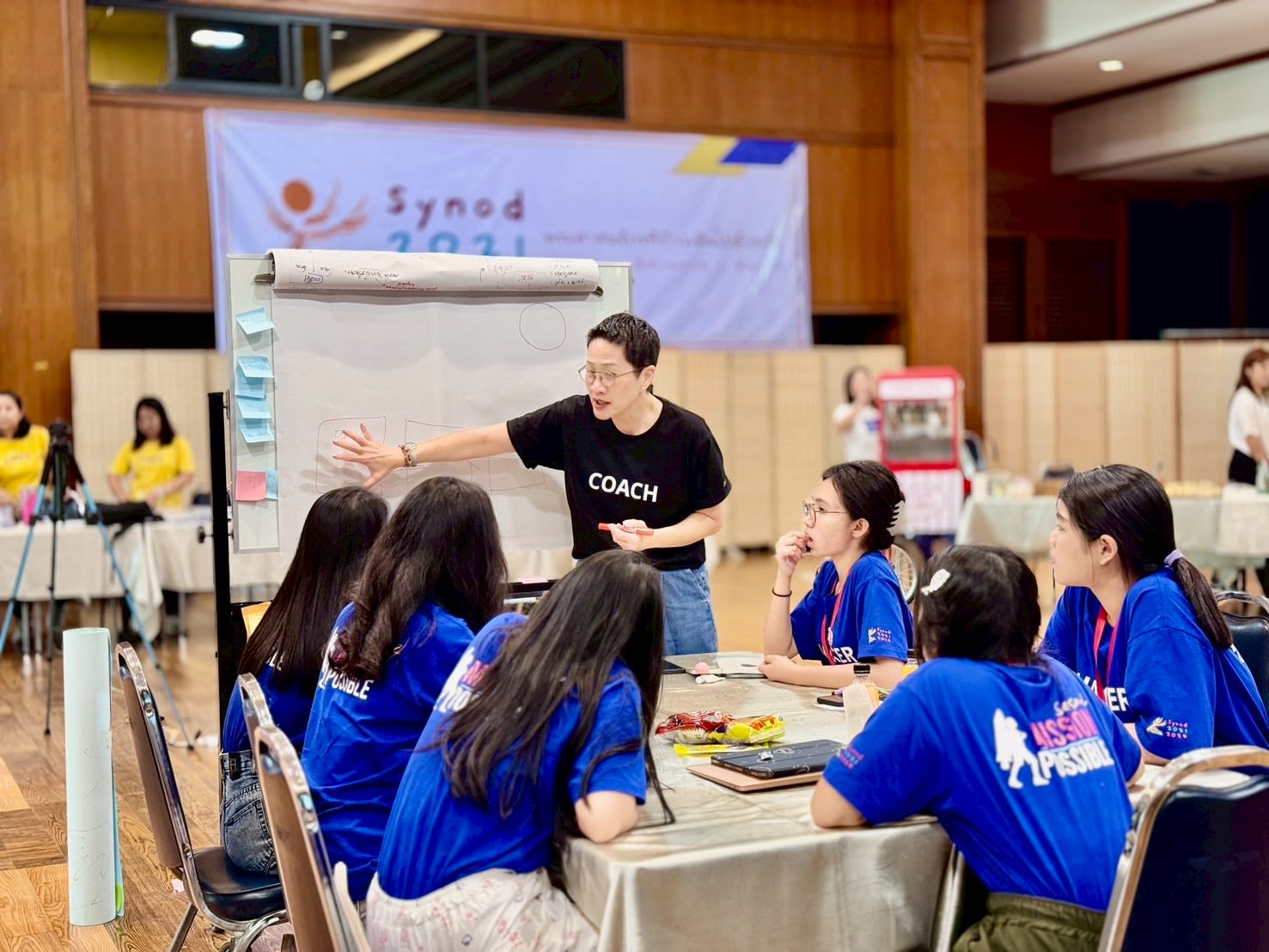

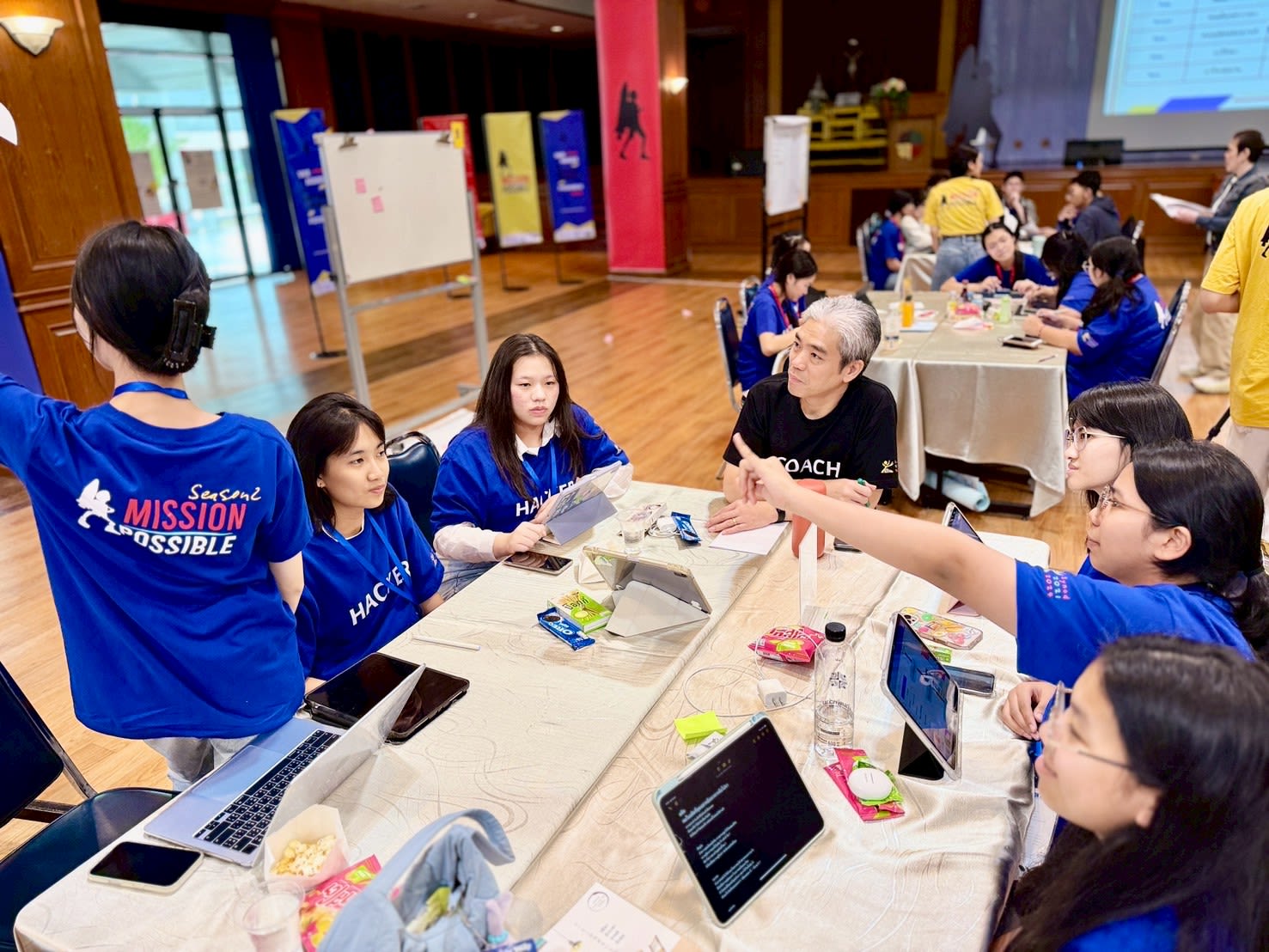
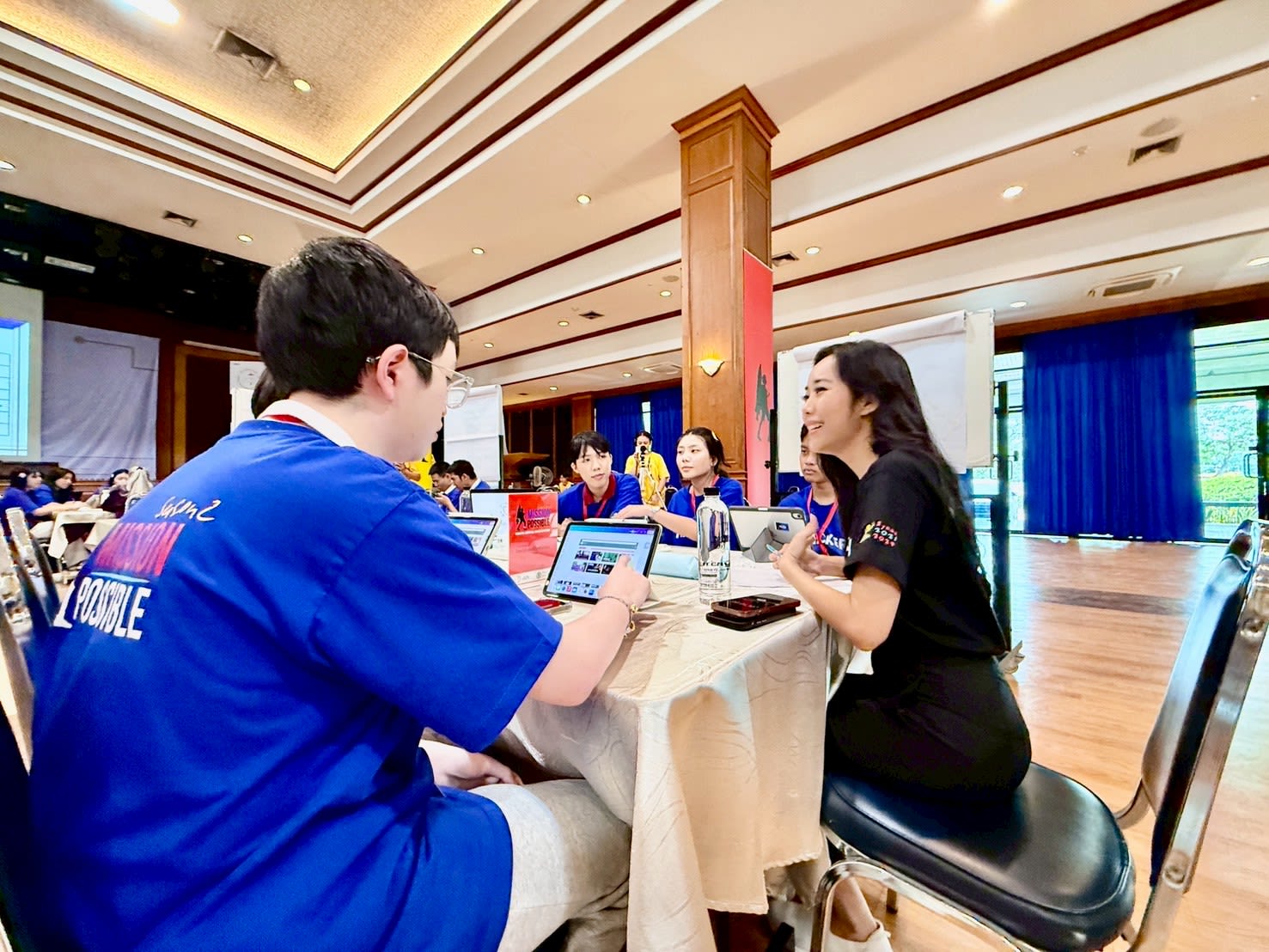

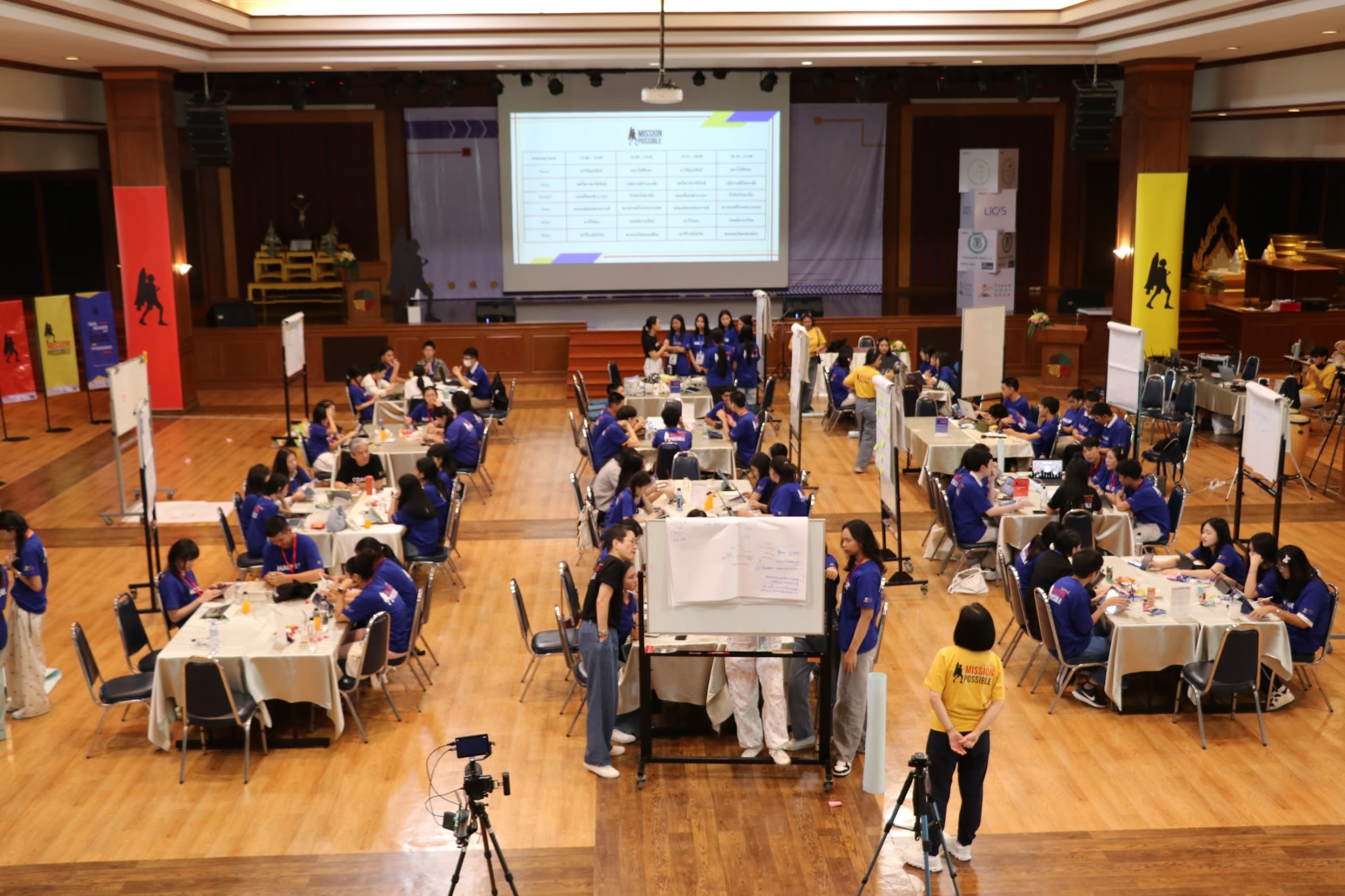

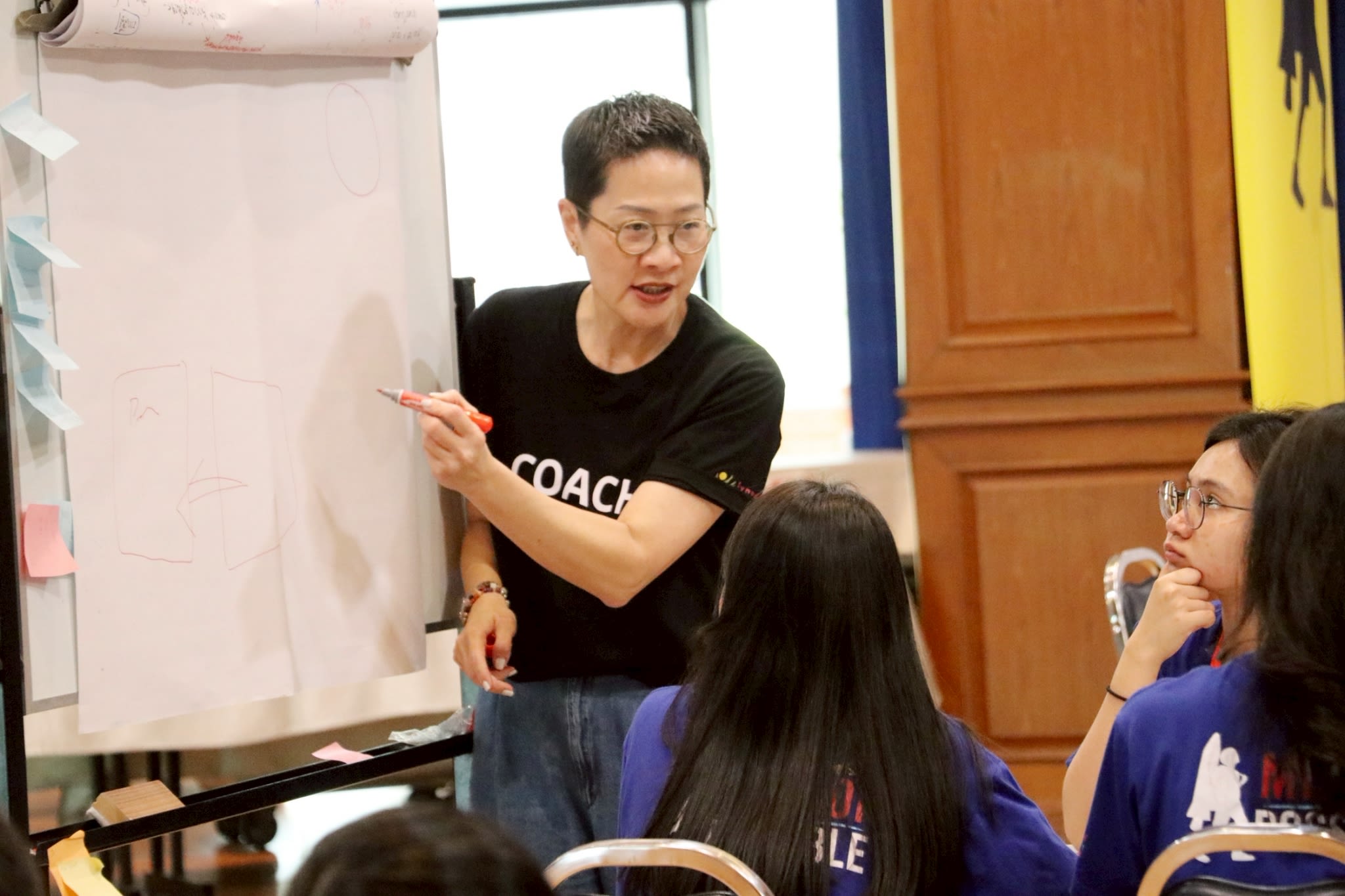

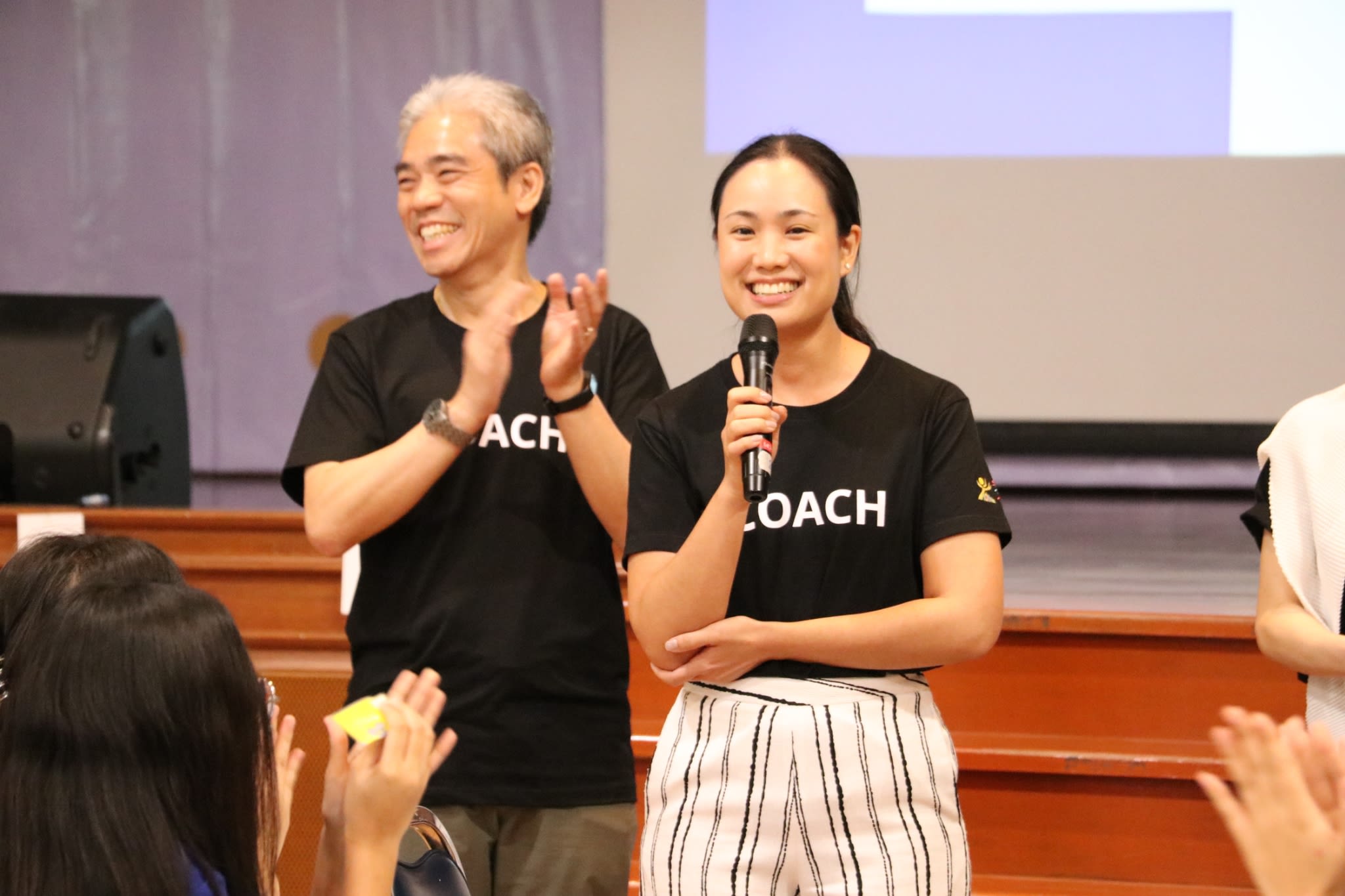

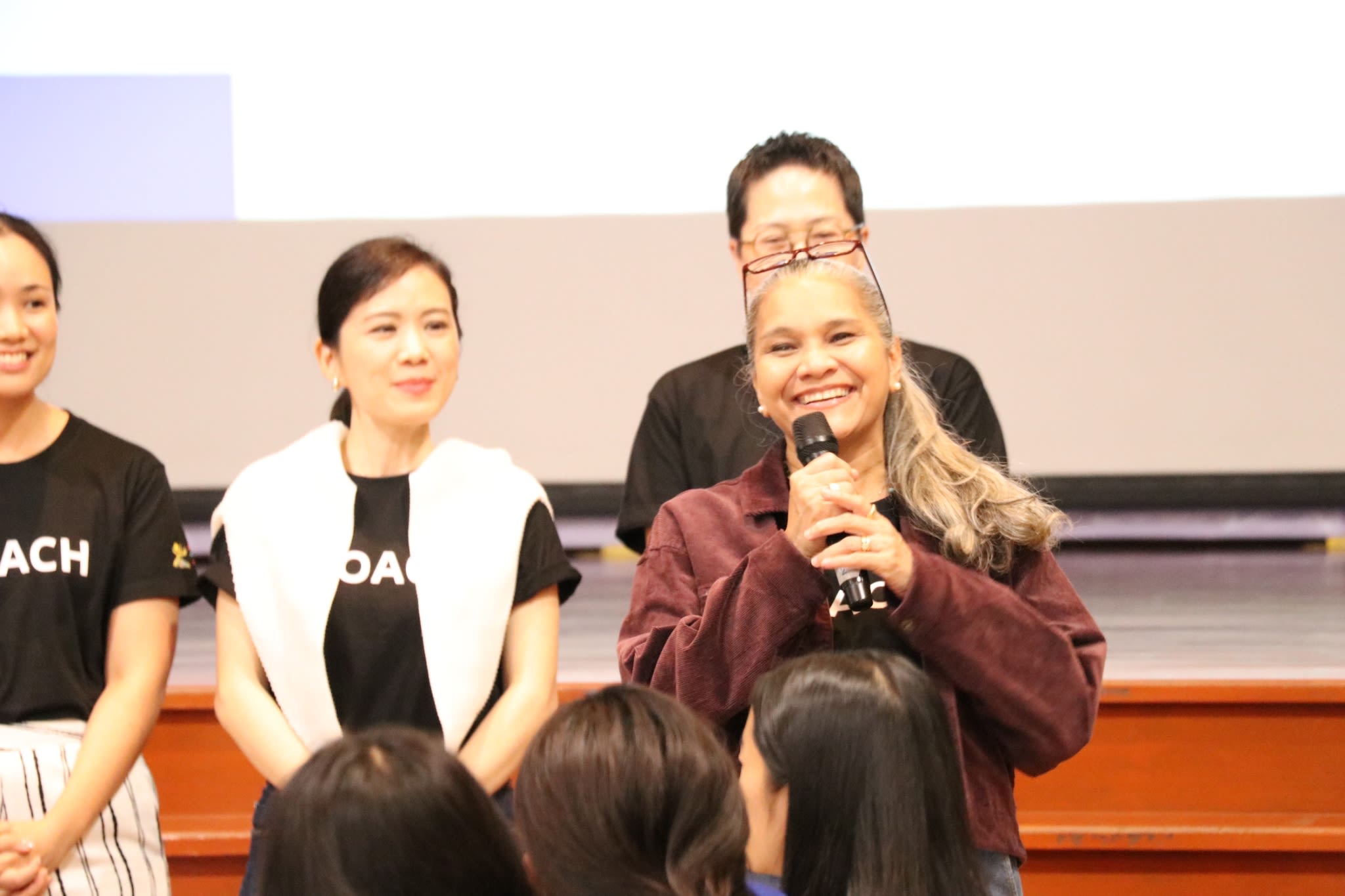

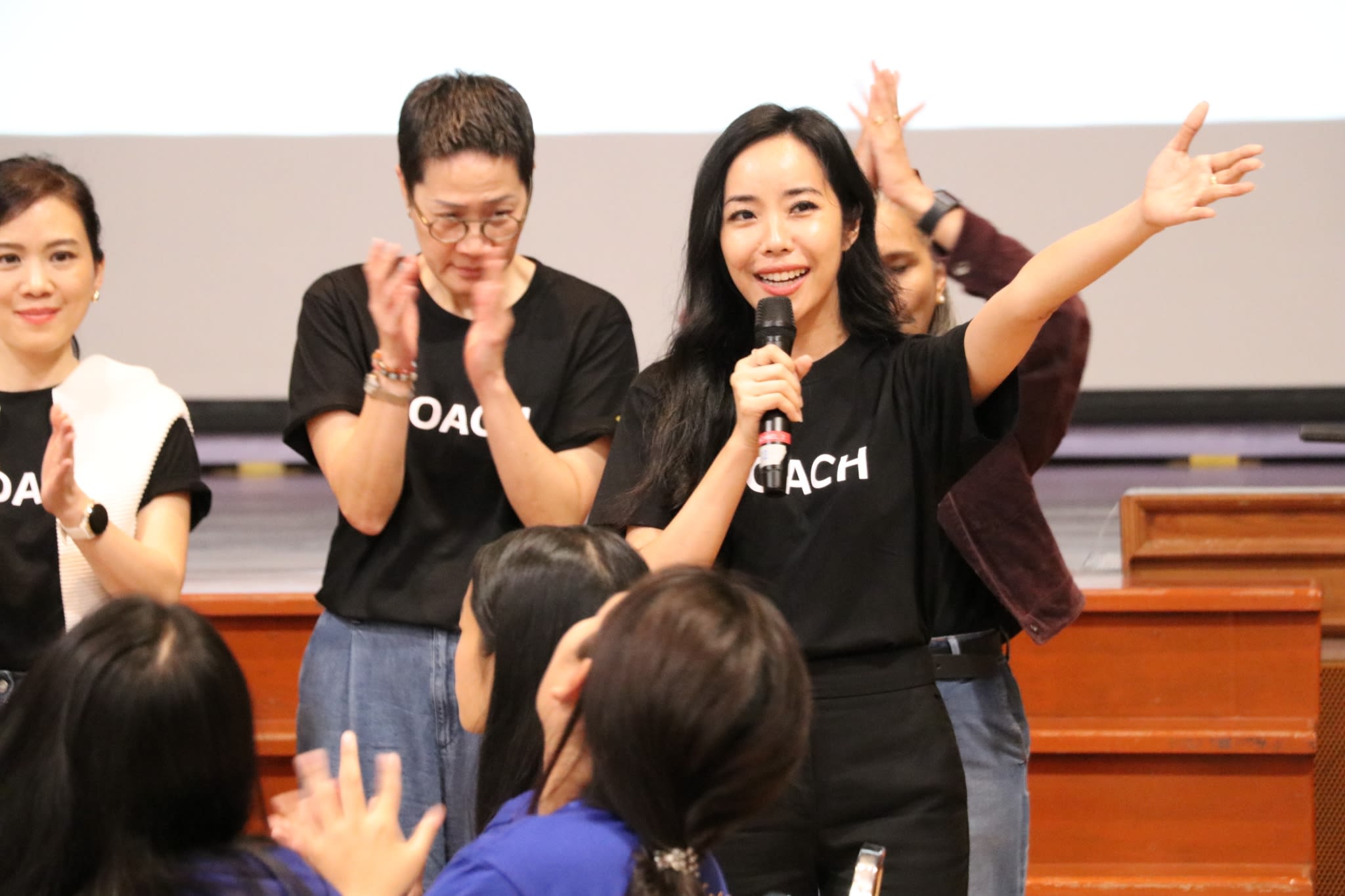

The day revealed not just sharper ideas but also the empowering experience of a Church that listens, trusts, and walks alongside its young people.
Students responded with enthusiasm, with one participant reflecting, “At first we felt nervous, but with guidance, we realized our voices are strong enough to inspire change.”
Day 3
Showcasing Solutions and
Celebrating Synodality

Day 3
Showcasing Solutions and
Celebrating Synodality

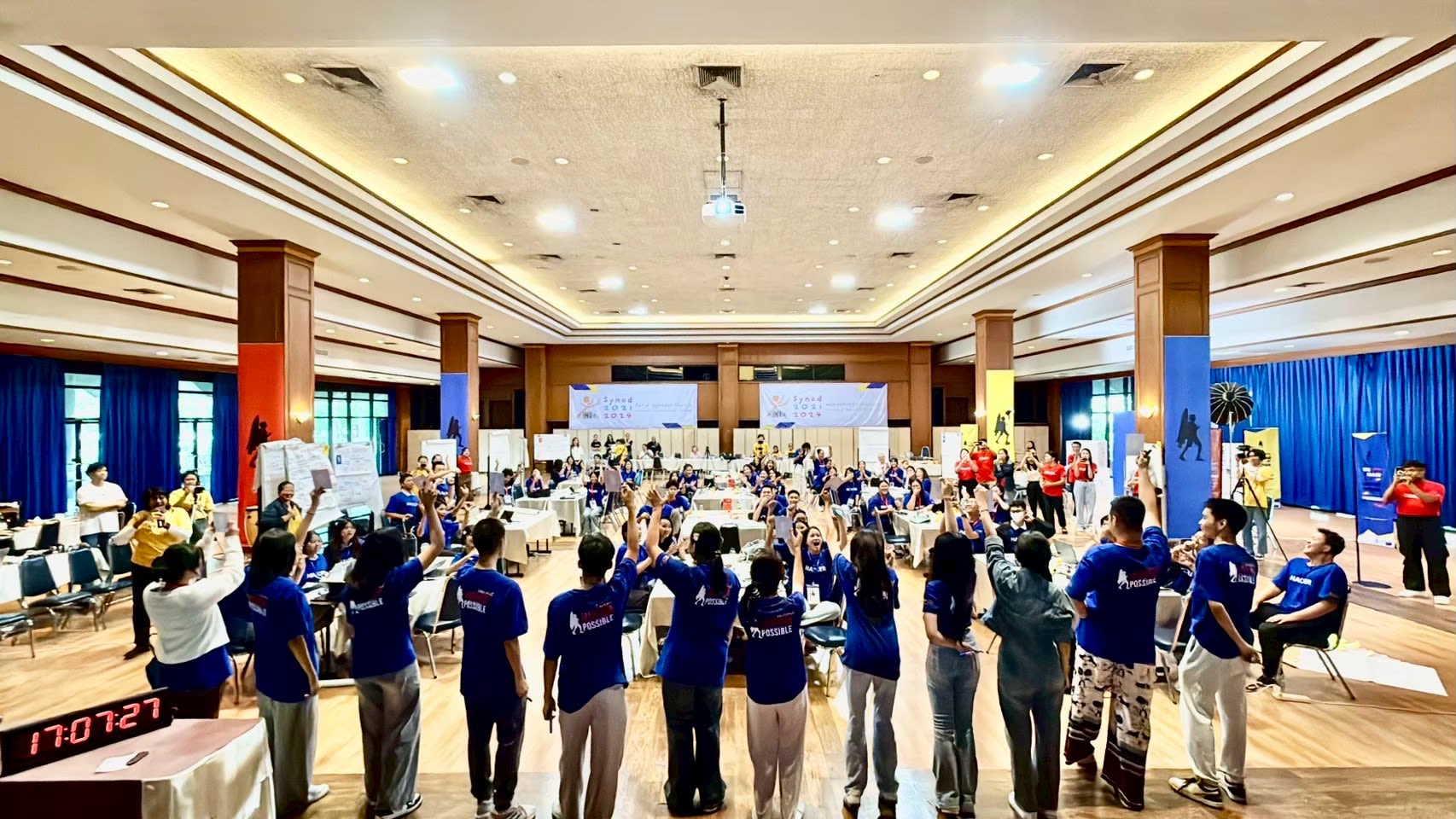
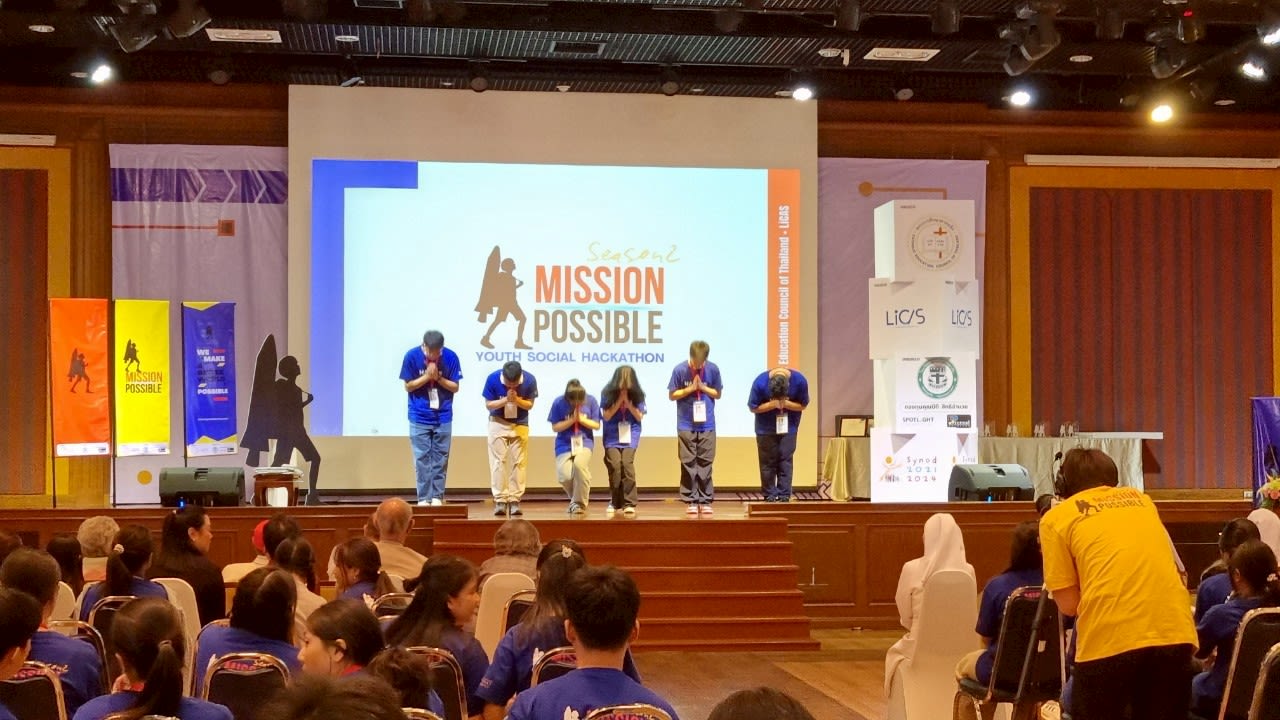
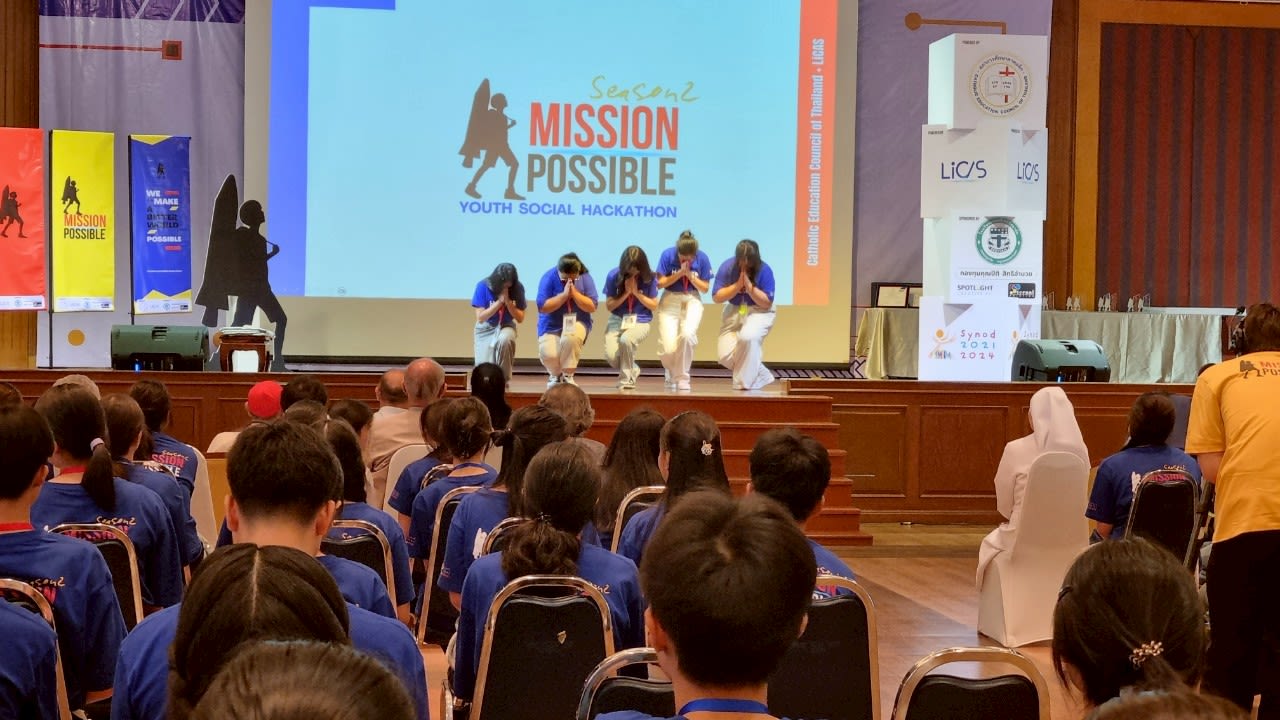
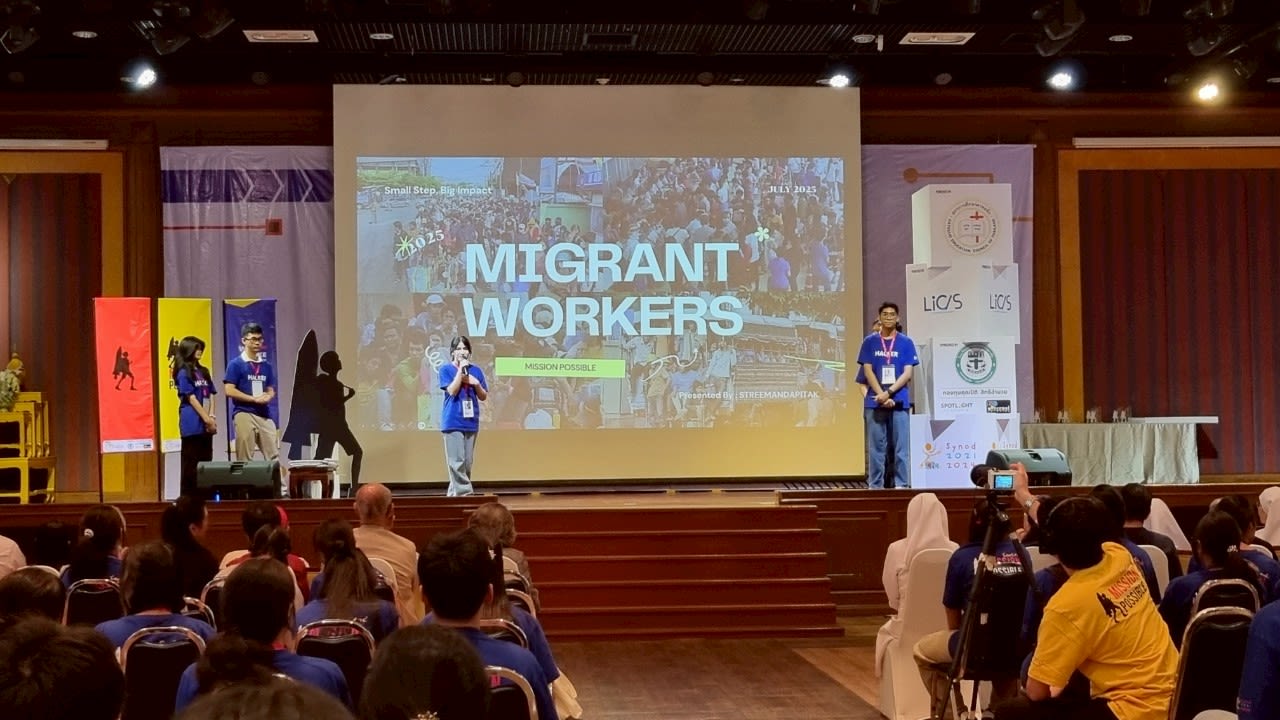
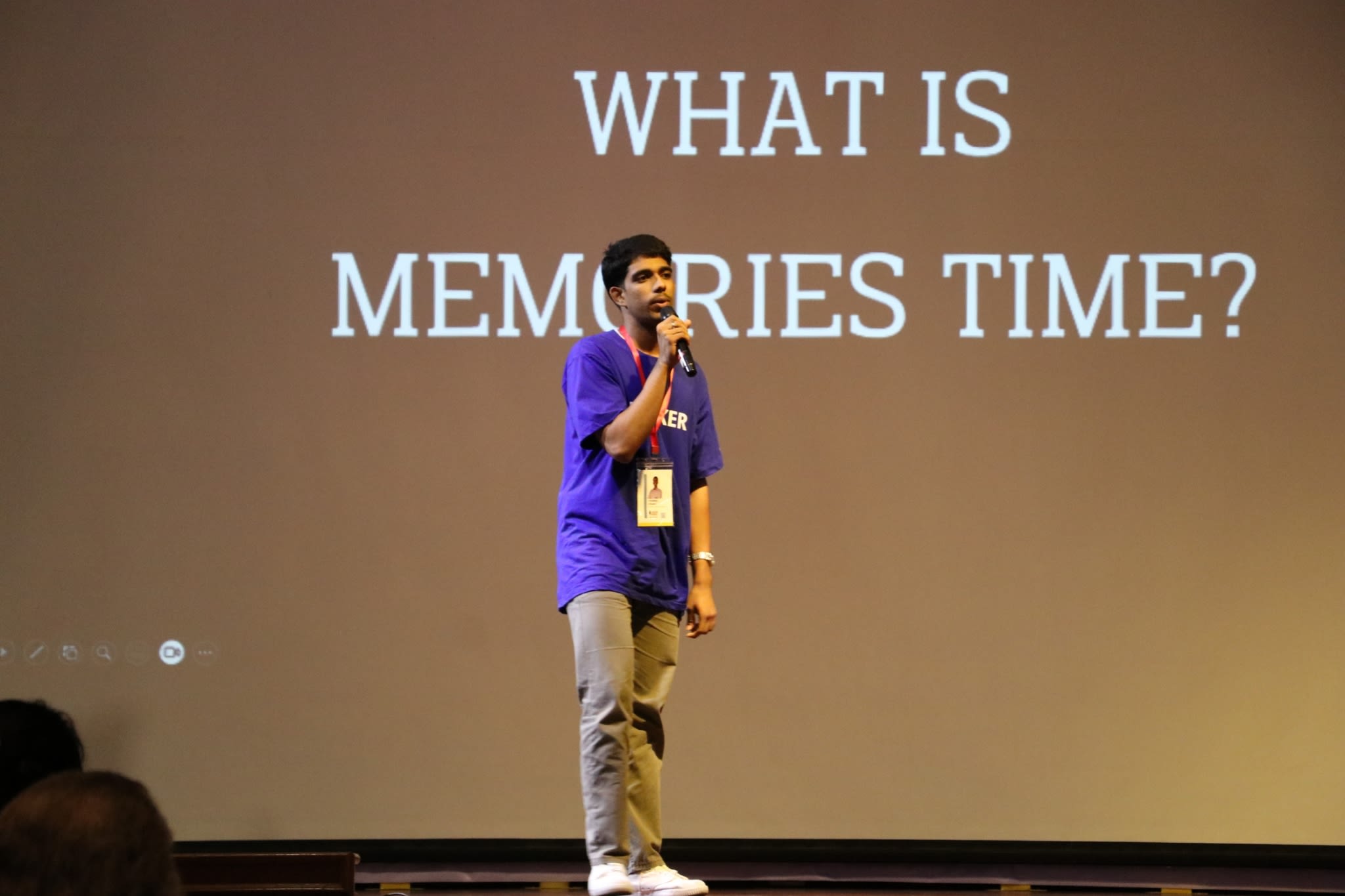
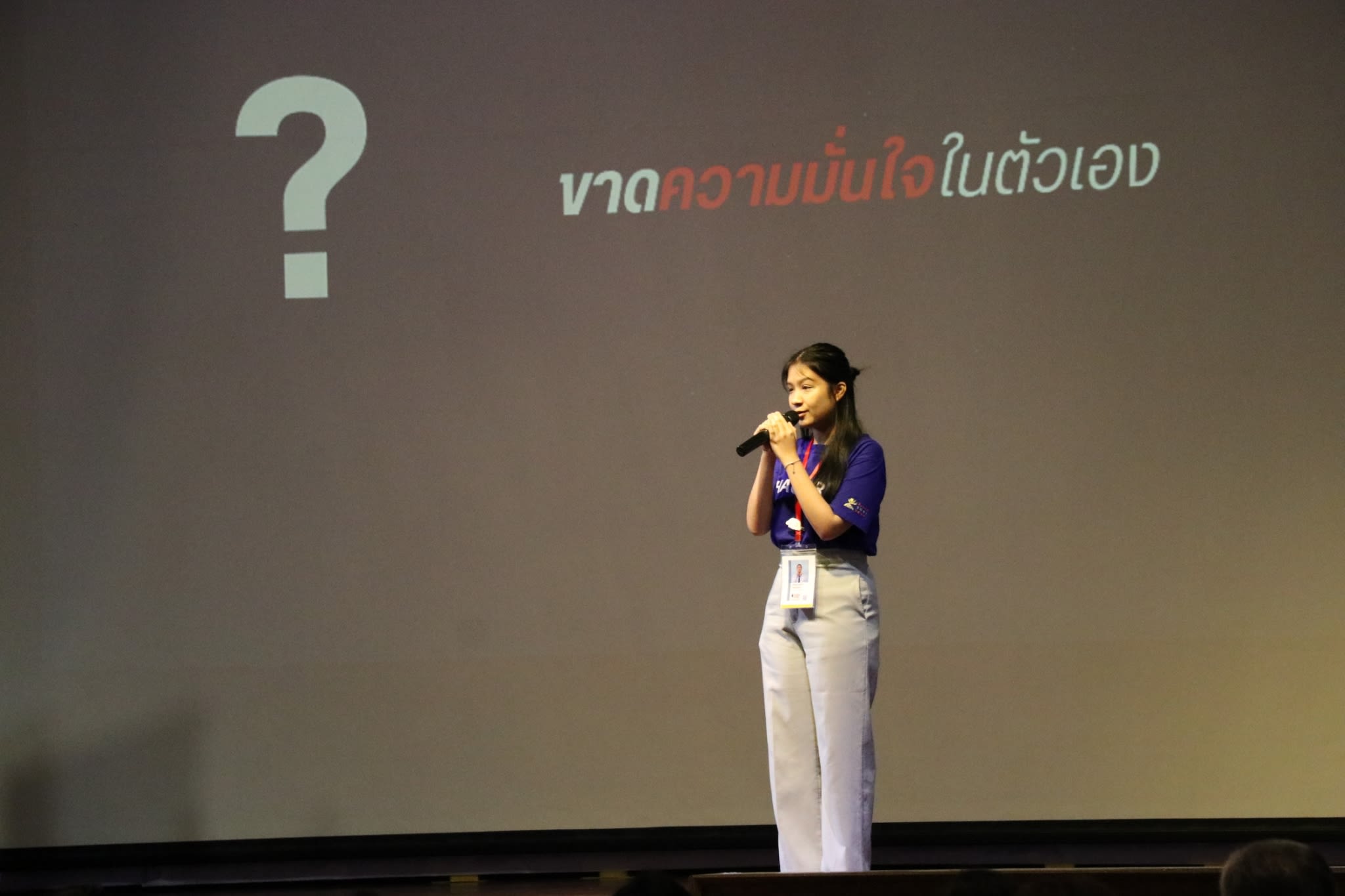
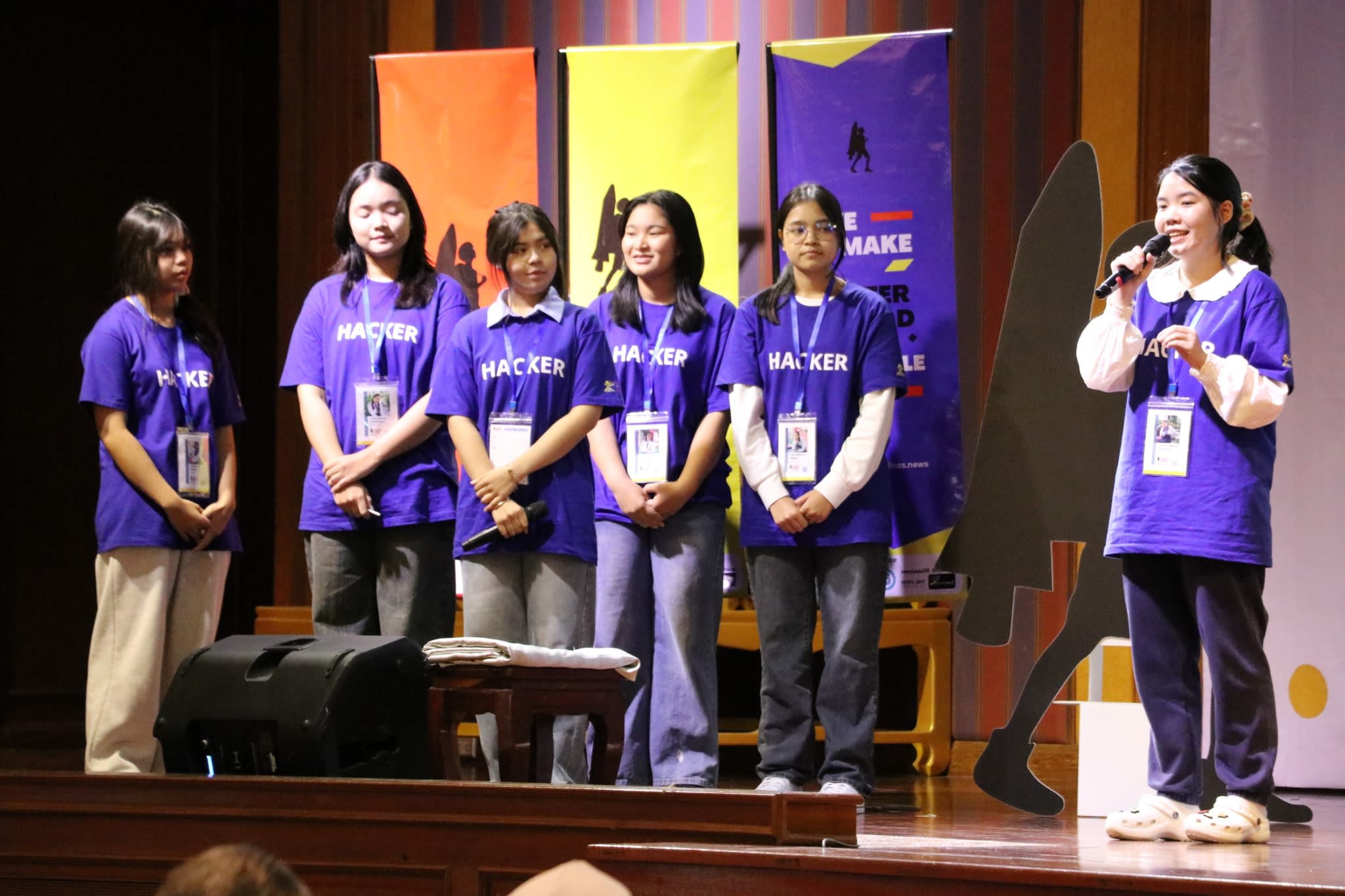
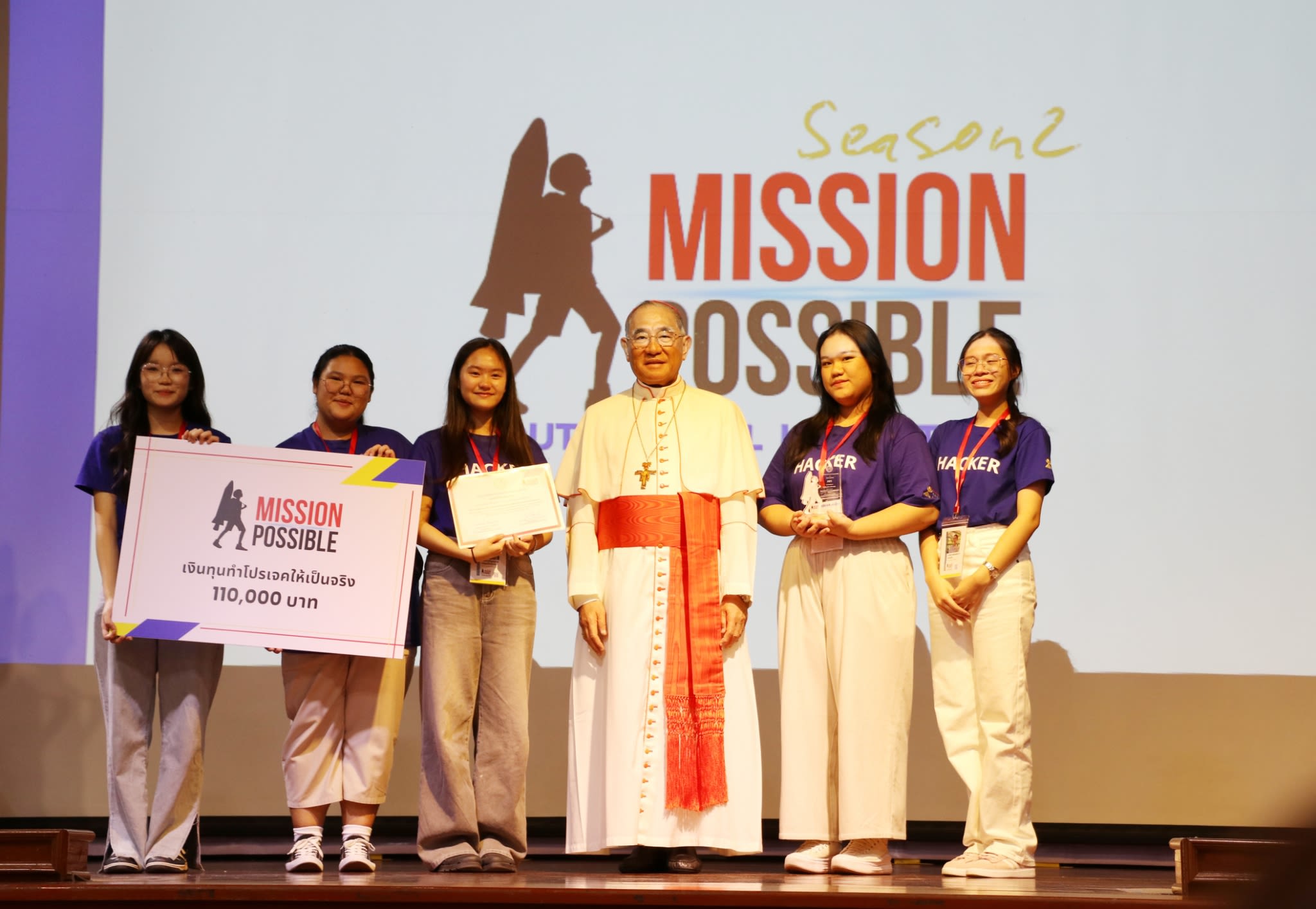
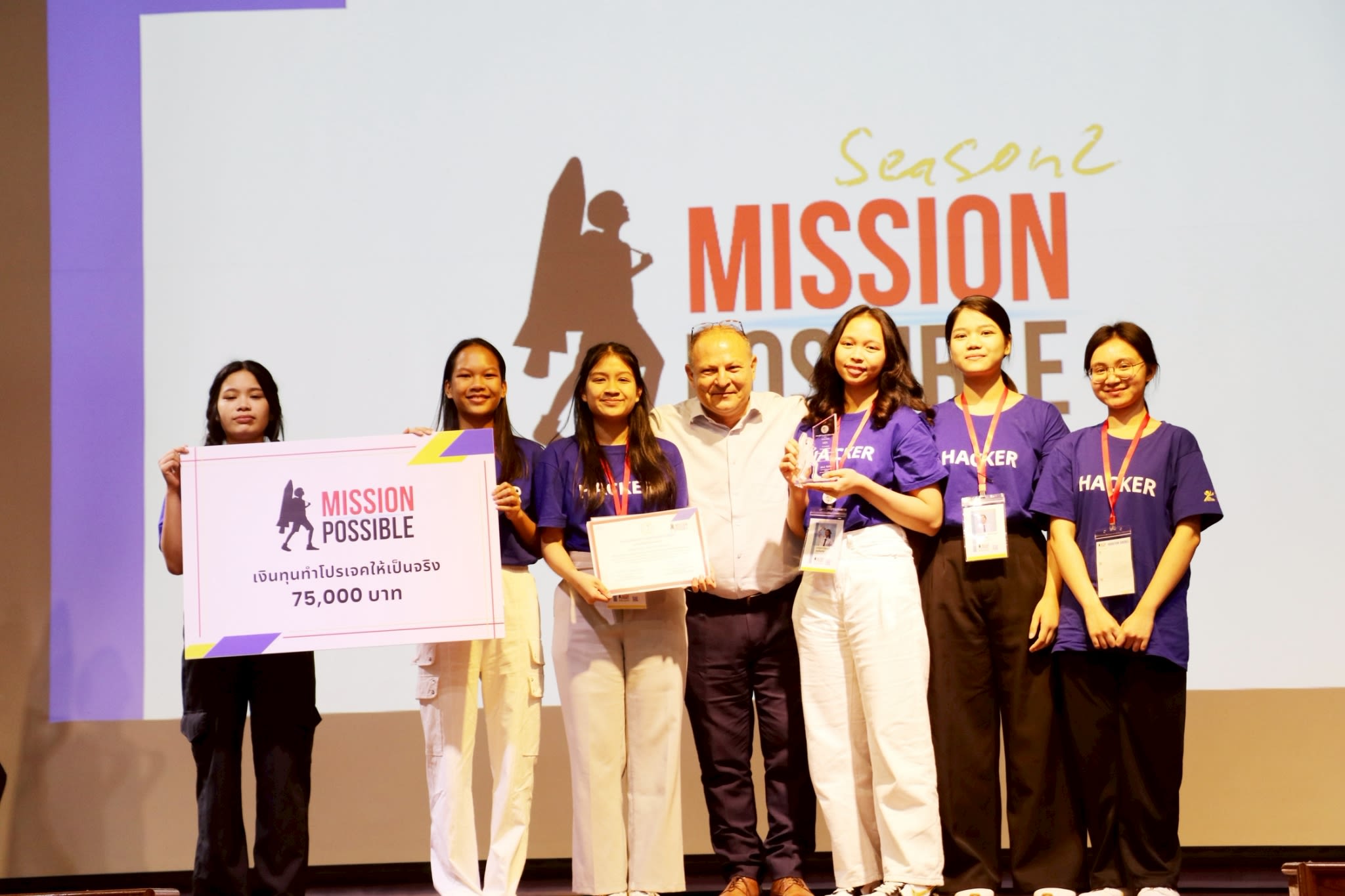
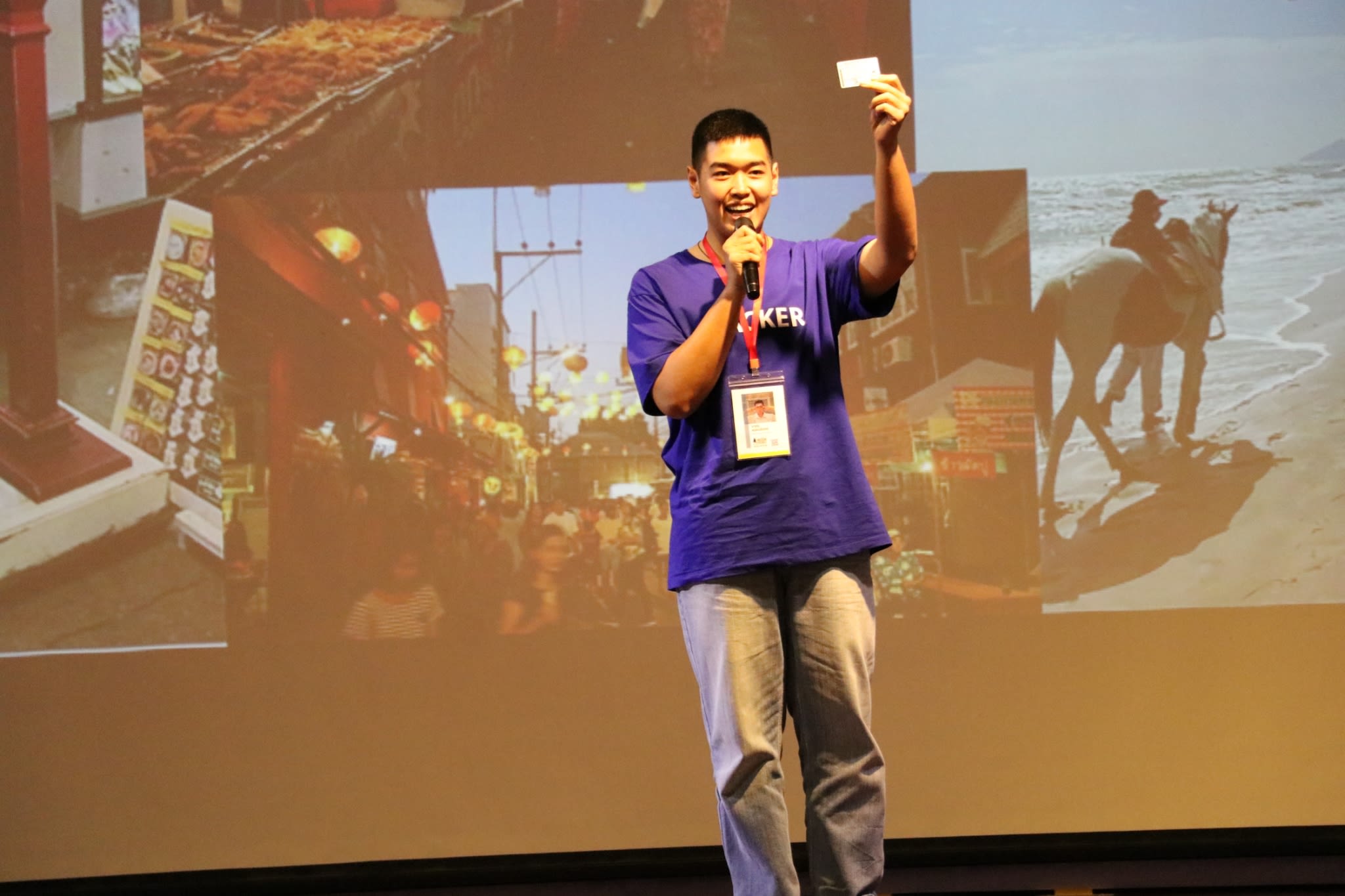
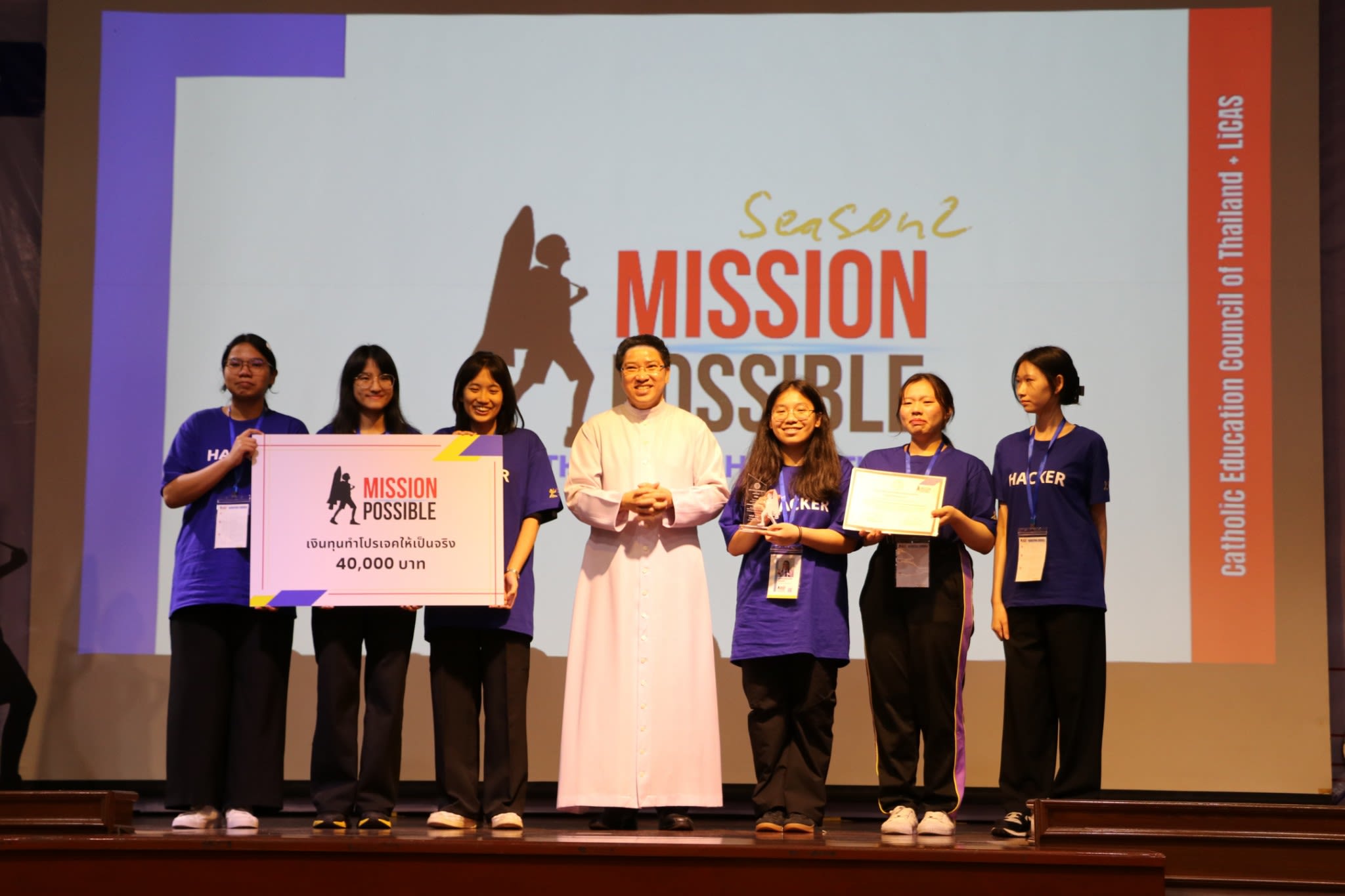
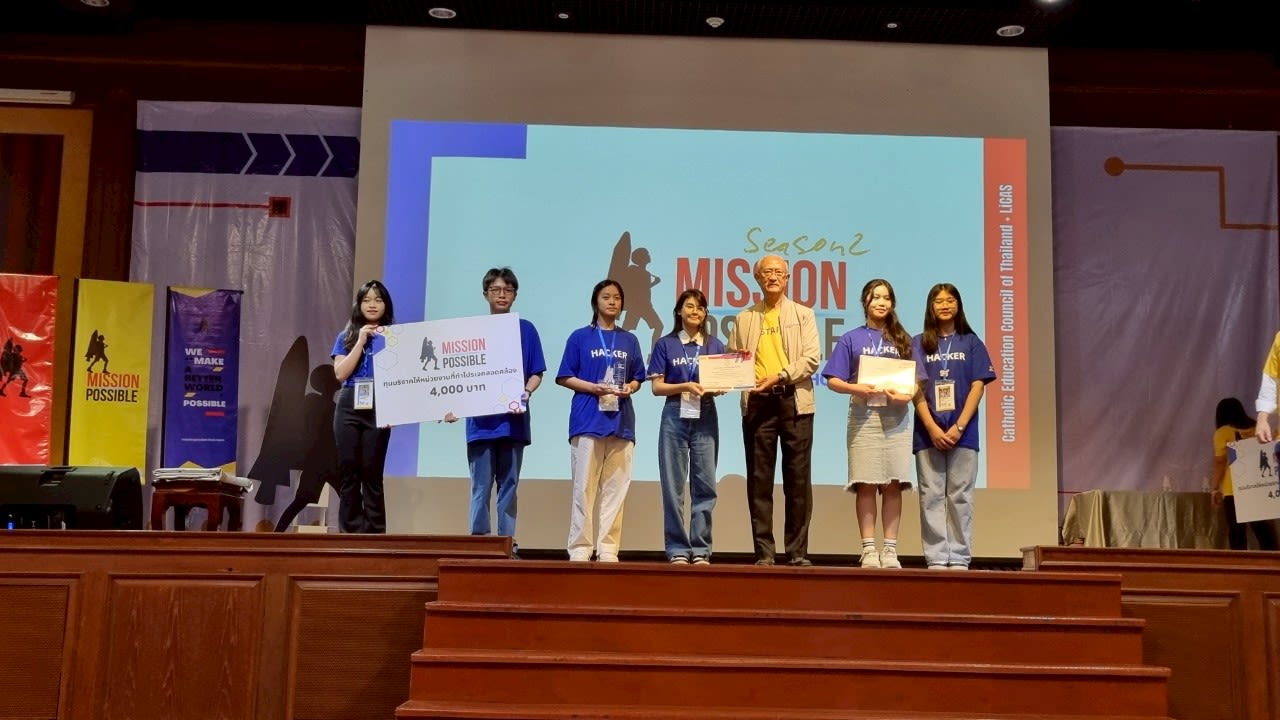
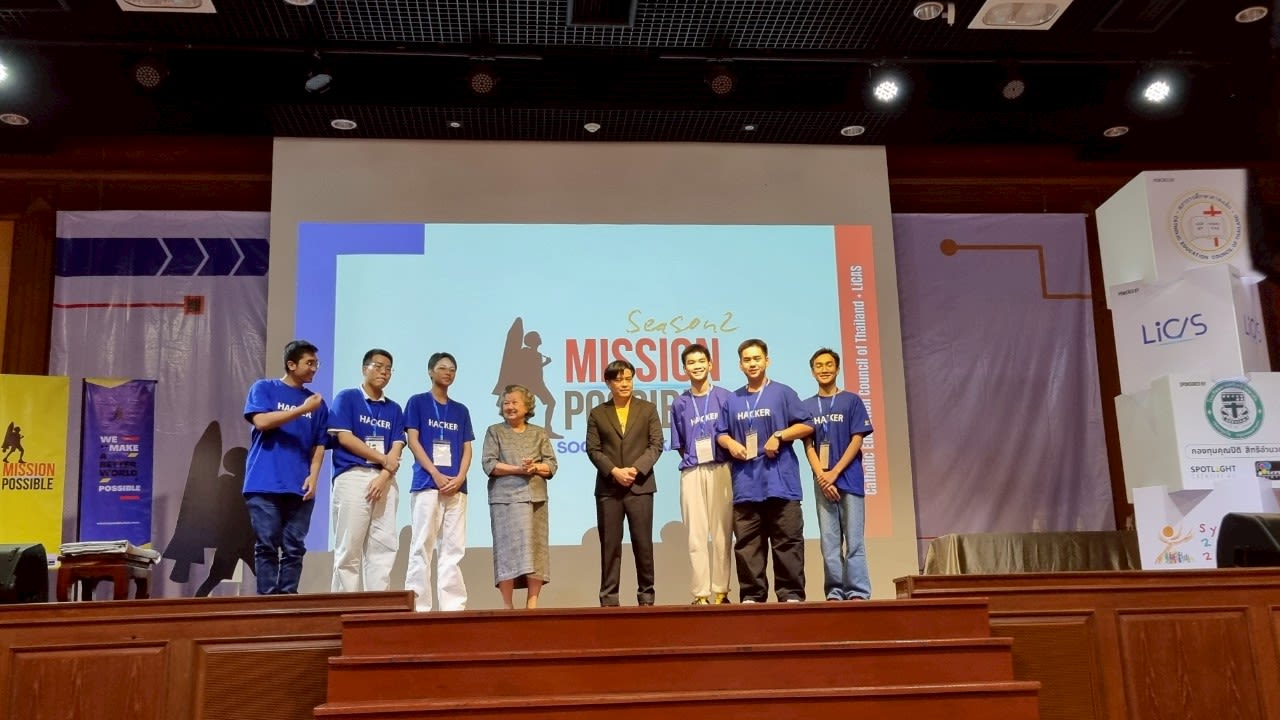
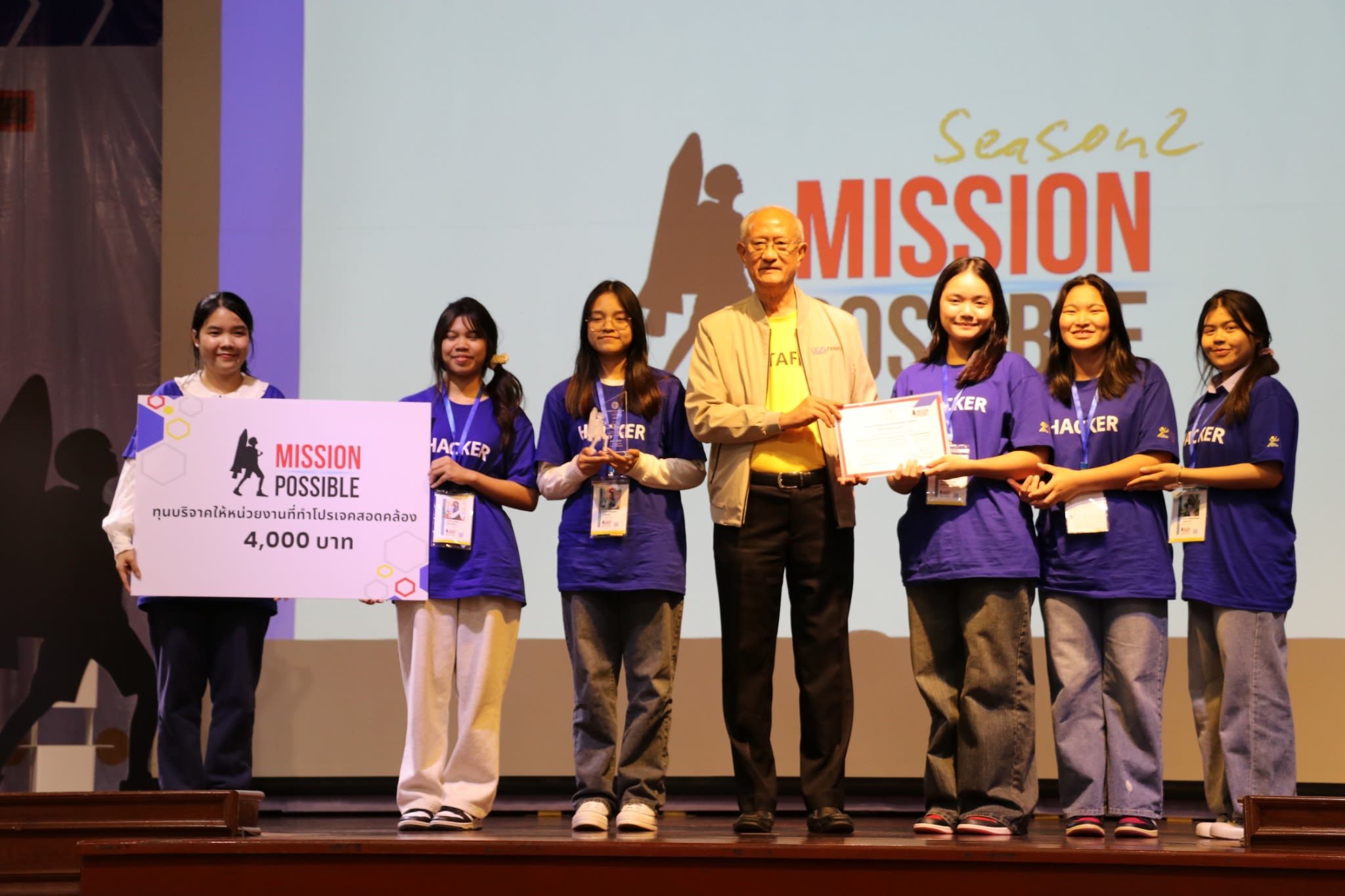
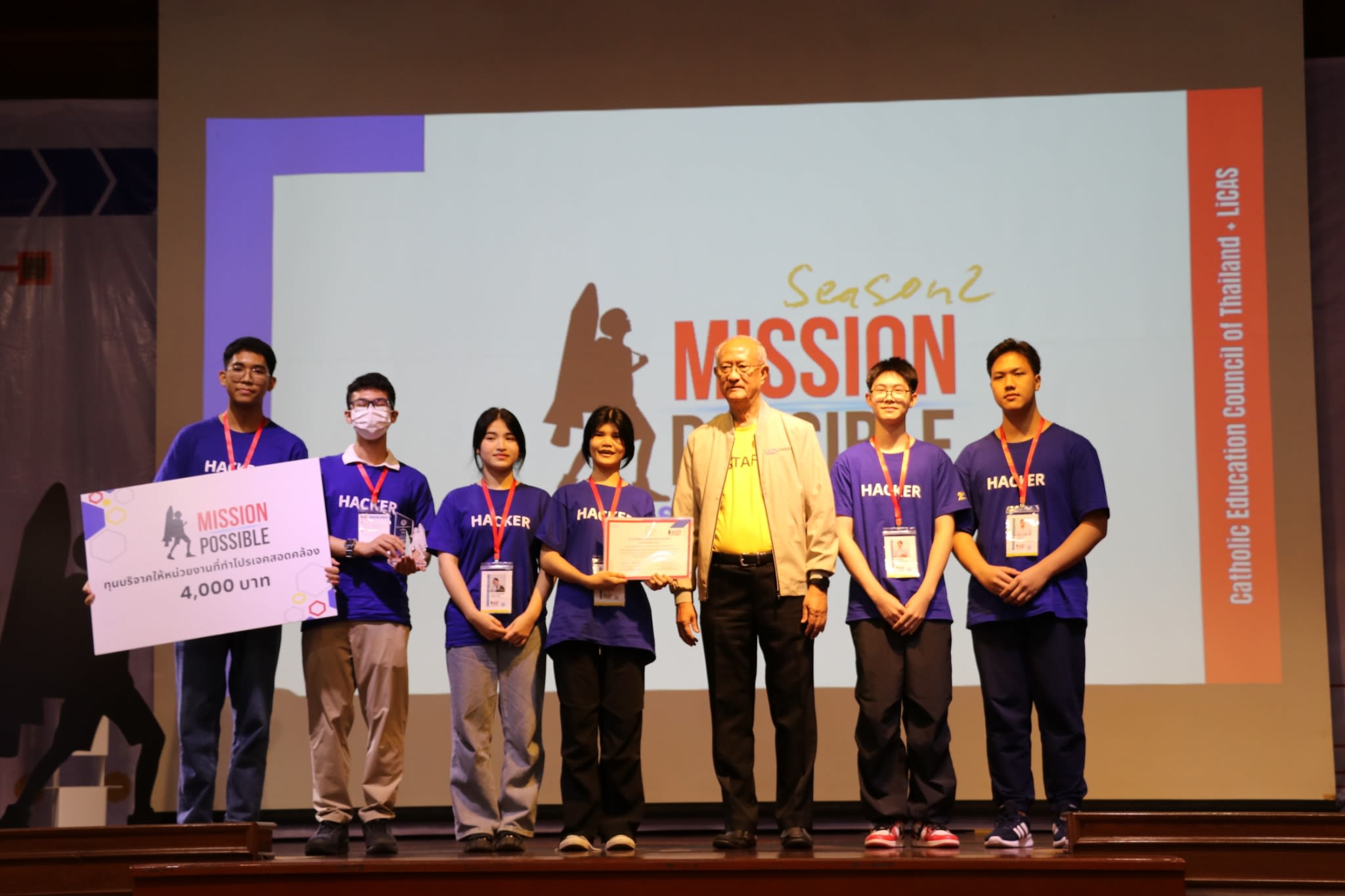
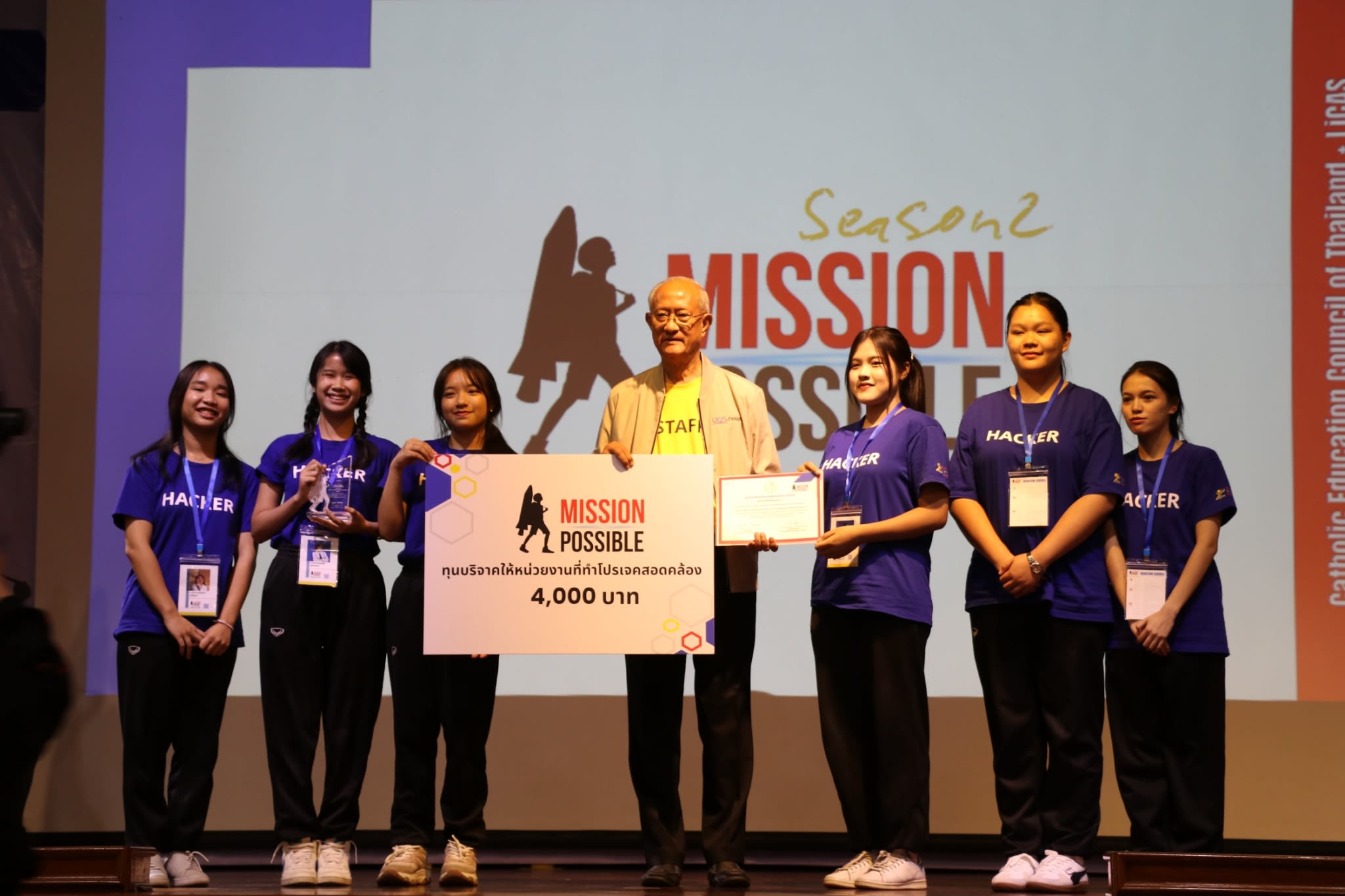
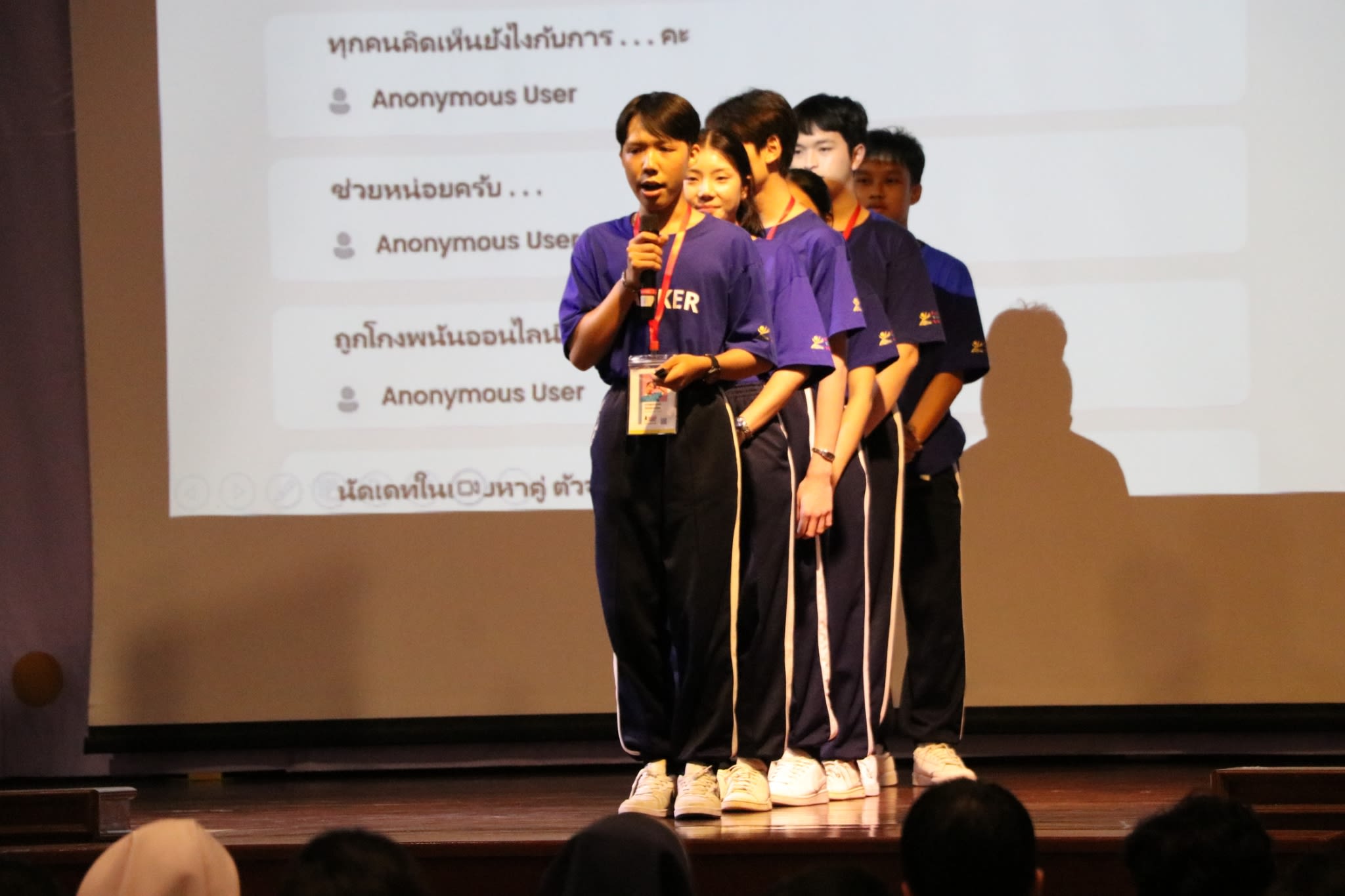
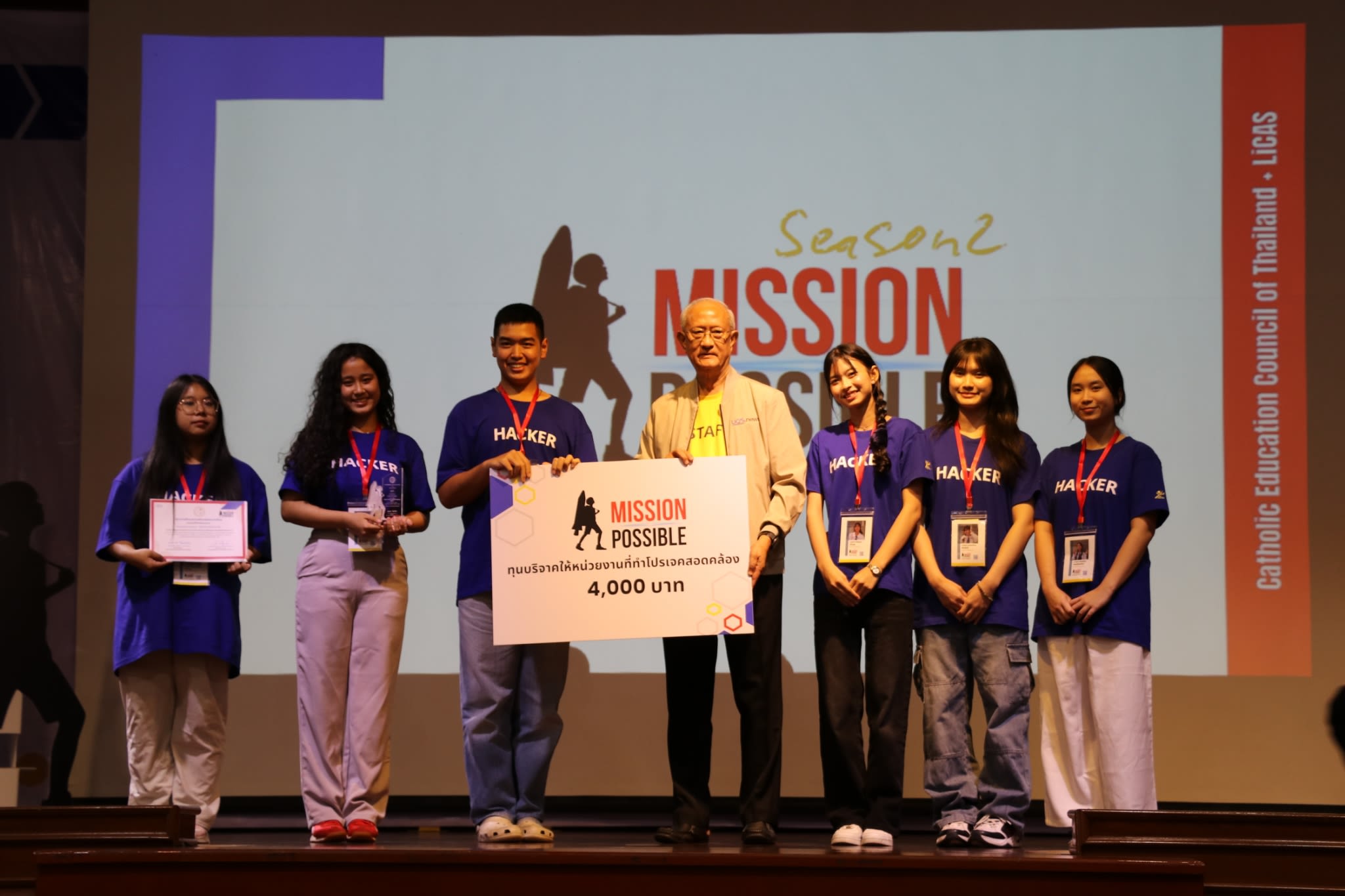
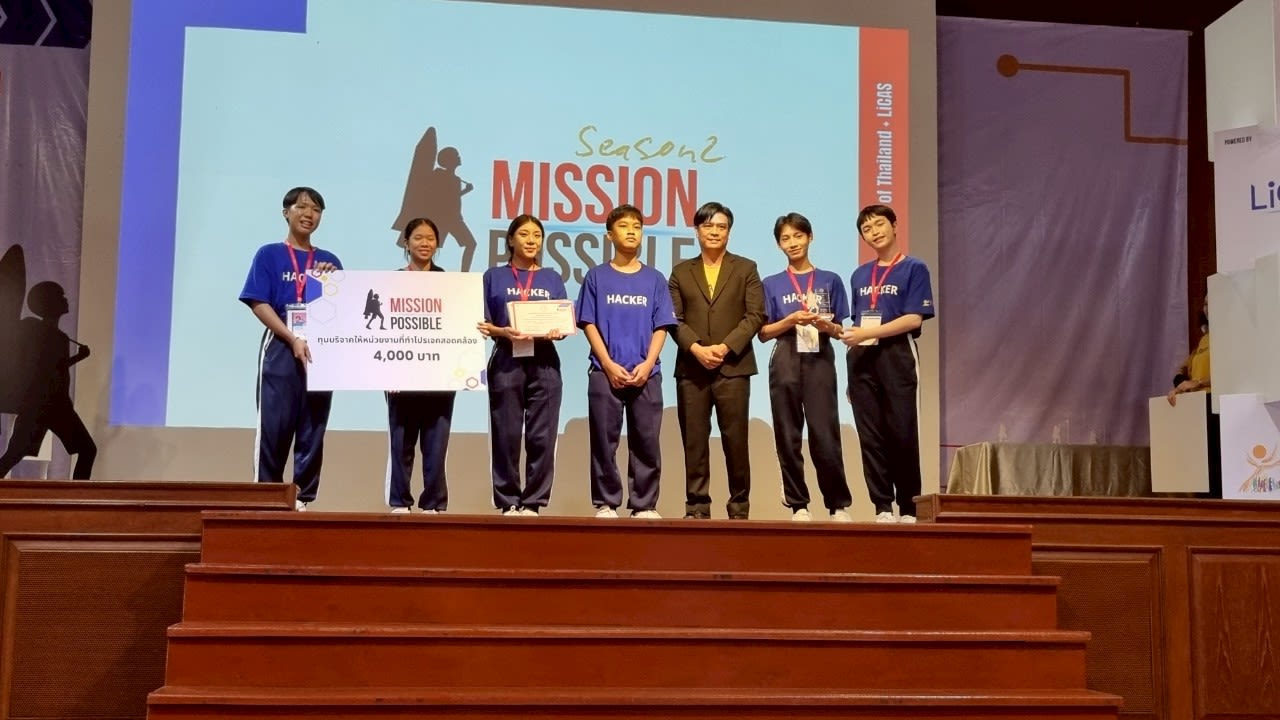
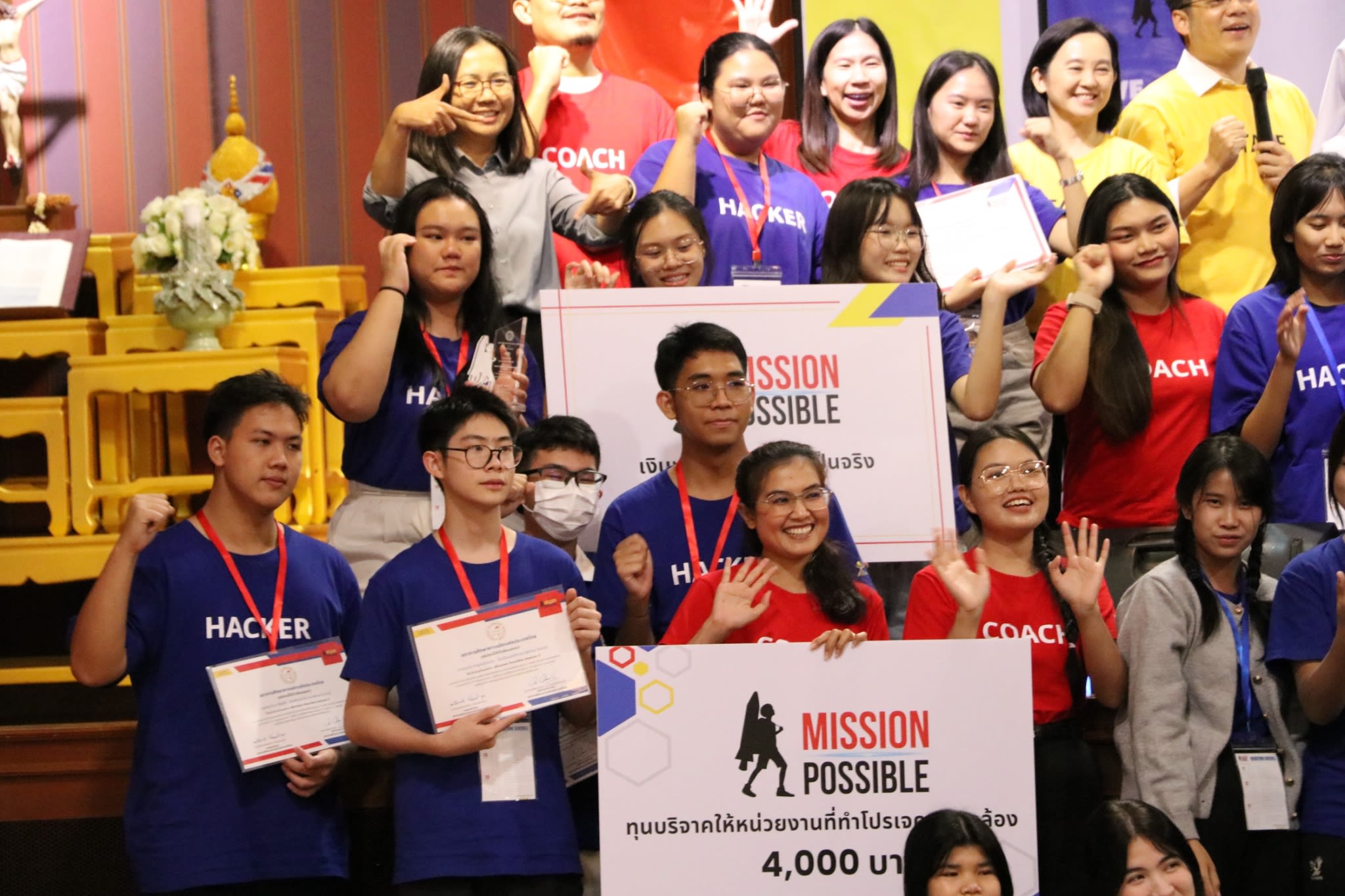
The final day of the hackathon was a celebration of creativity and collaboration. The theme, “Together We MAKE a Better World POSSIBLE,” was reflected in the children’s pitches, which aimed to address global social crises through innovative synodal solutions. Energy soared as every team took to the stage for a tightly timed five-minute pitch. With nearly US$10,000 in seed funding available, students pitched solutions dreamed and designed not for prizes but for the common good.

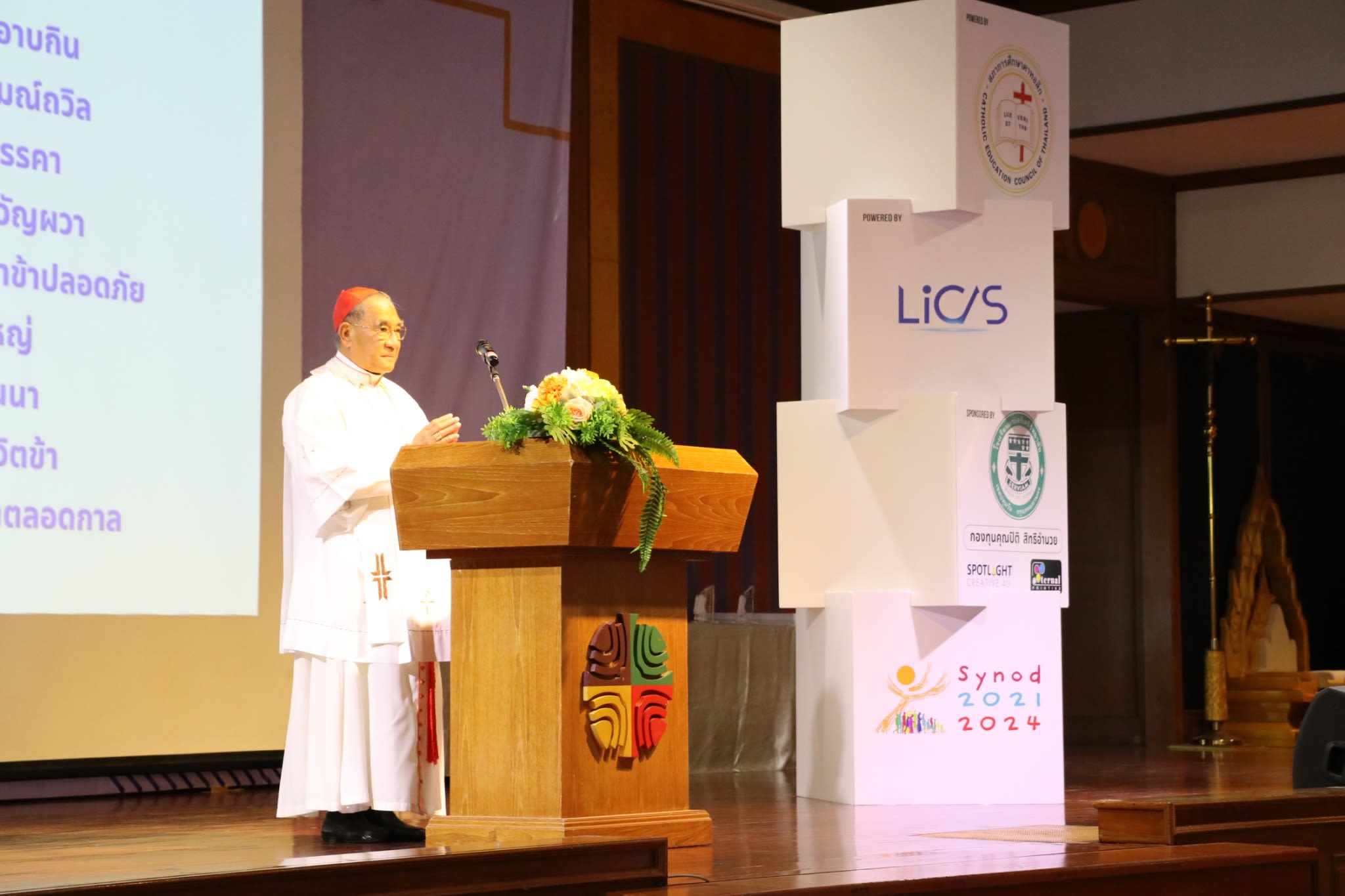
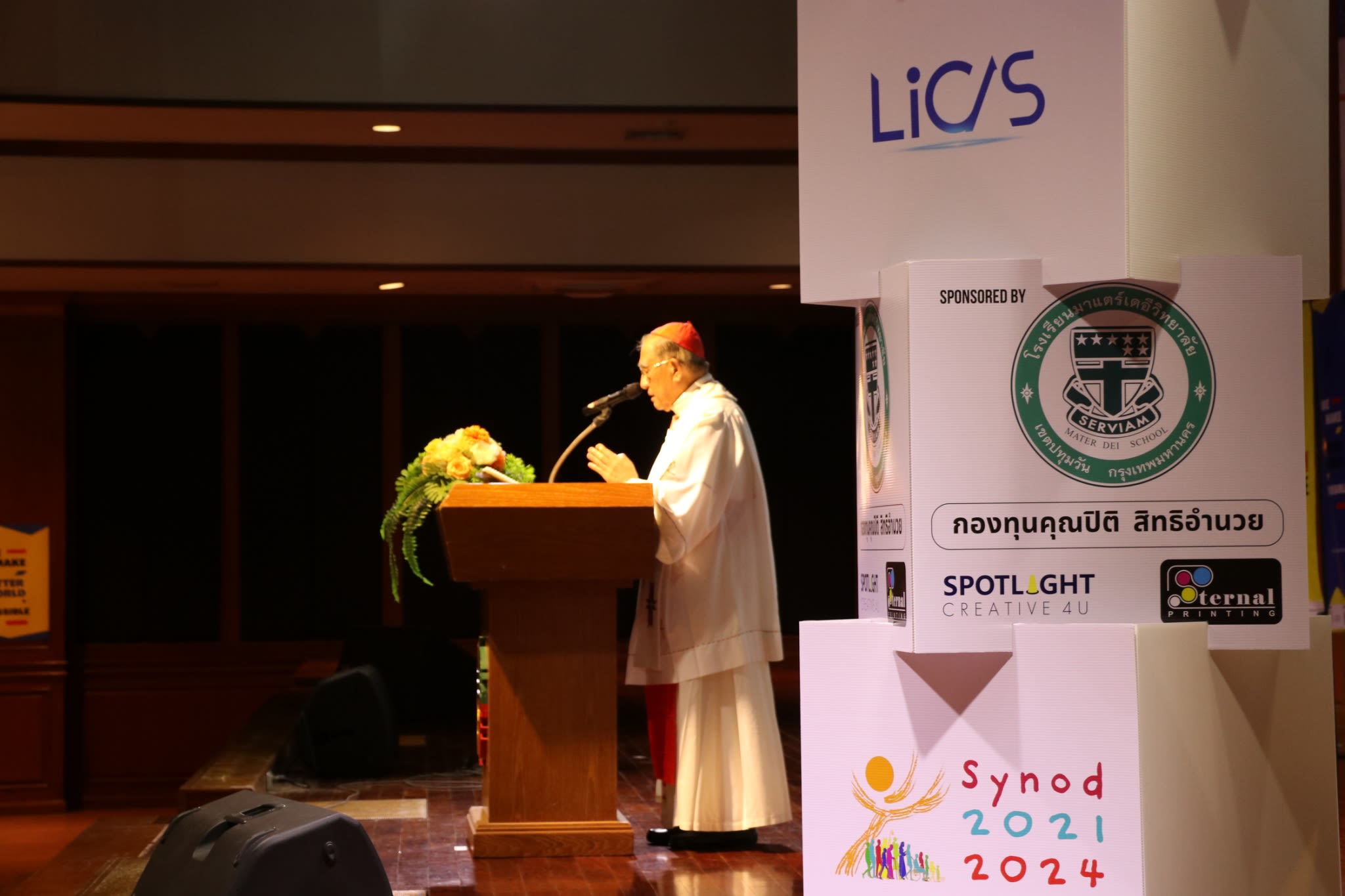
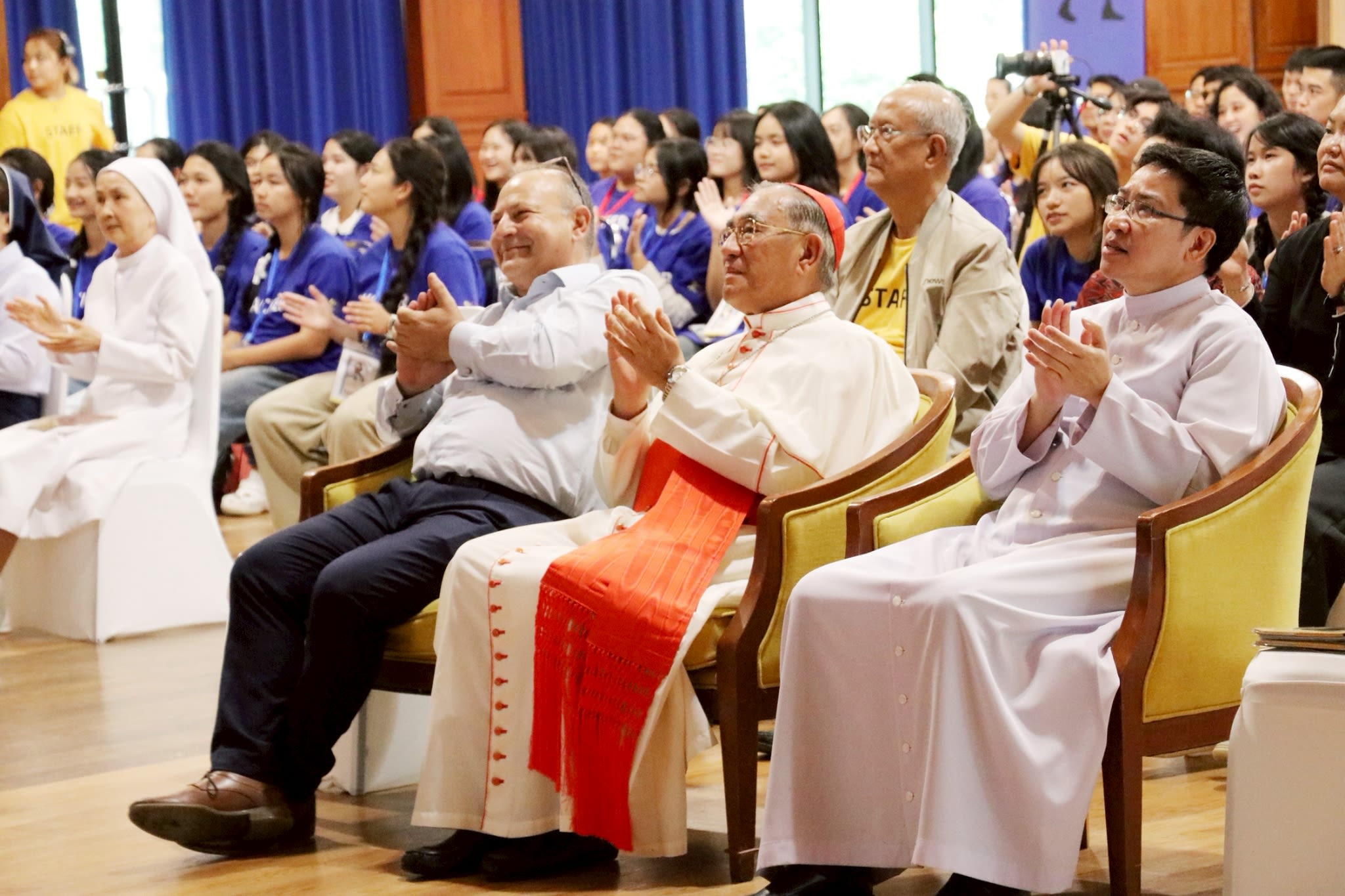
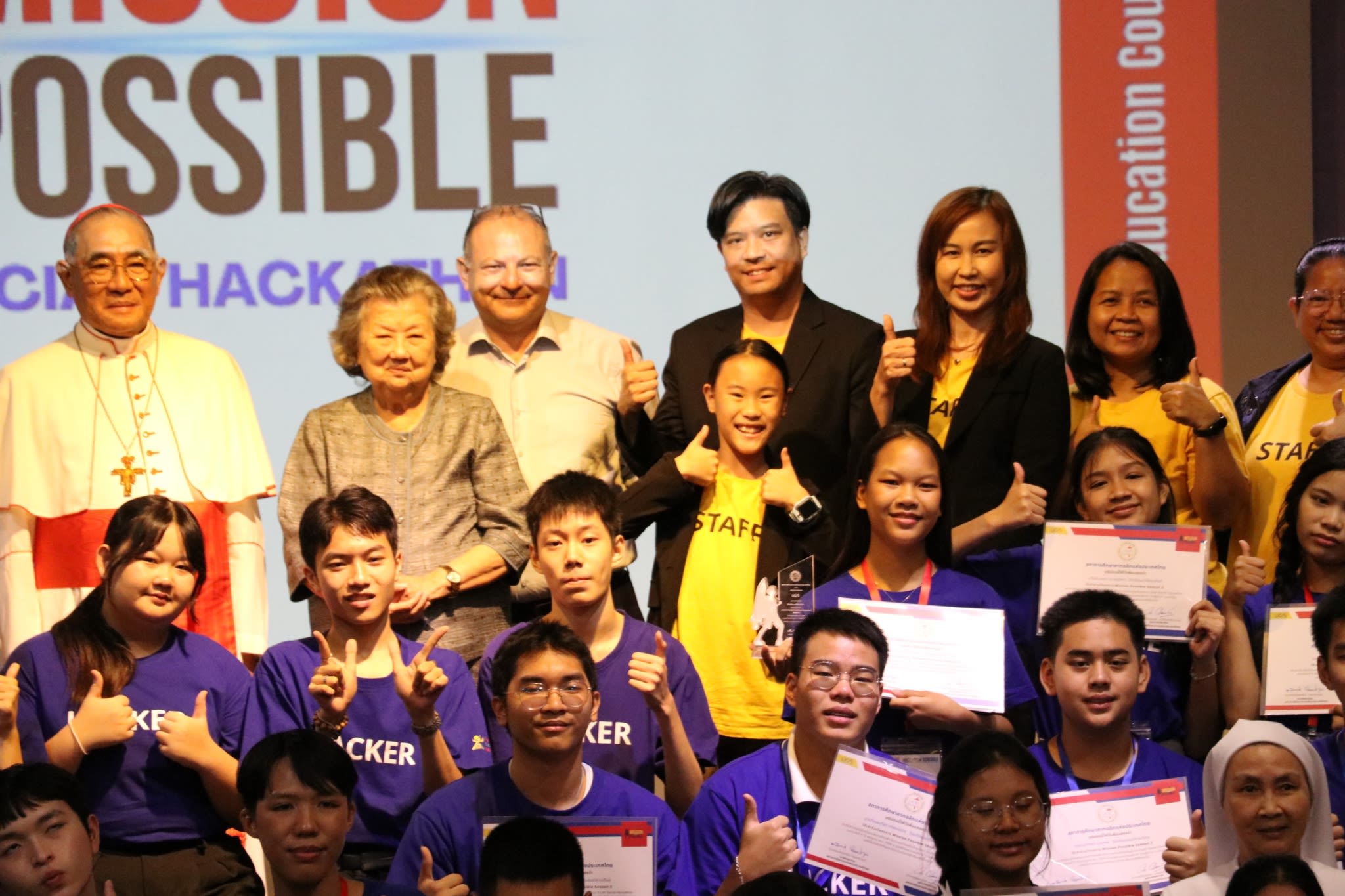
Cardinal Francis Xavier Kriengsak Kovithavanij opened with a Liturgy of the Word, encouraging youth to be “salt of the earth and light of the world.” He reflected further, “In the universe, sources of light give part of themselves away — a sacrifice is made to bring light to darkness.” His message framed the day as one of hope, courage, and service.
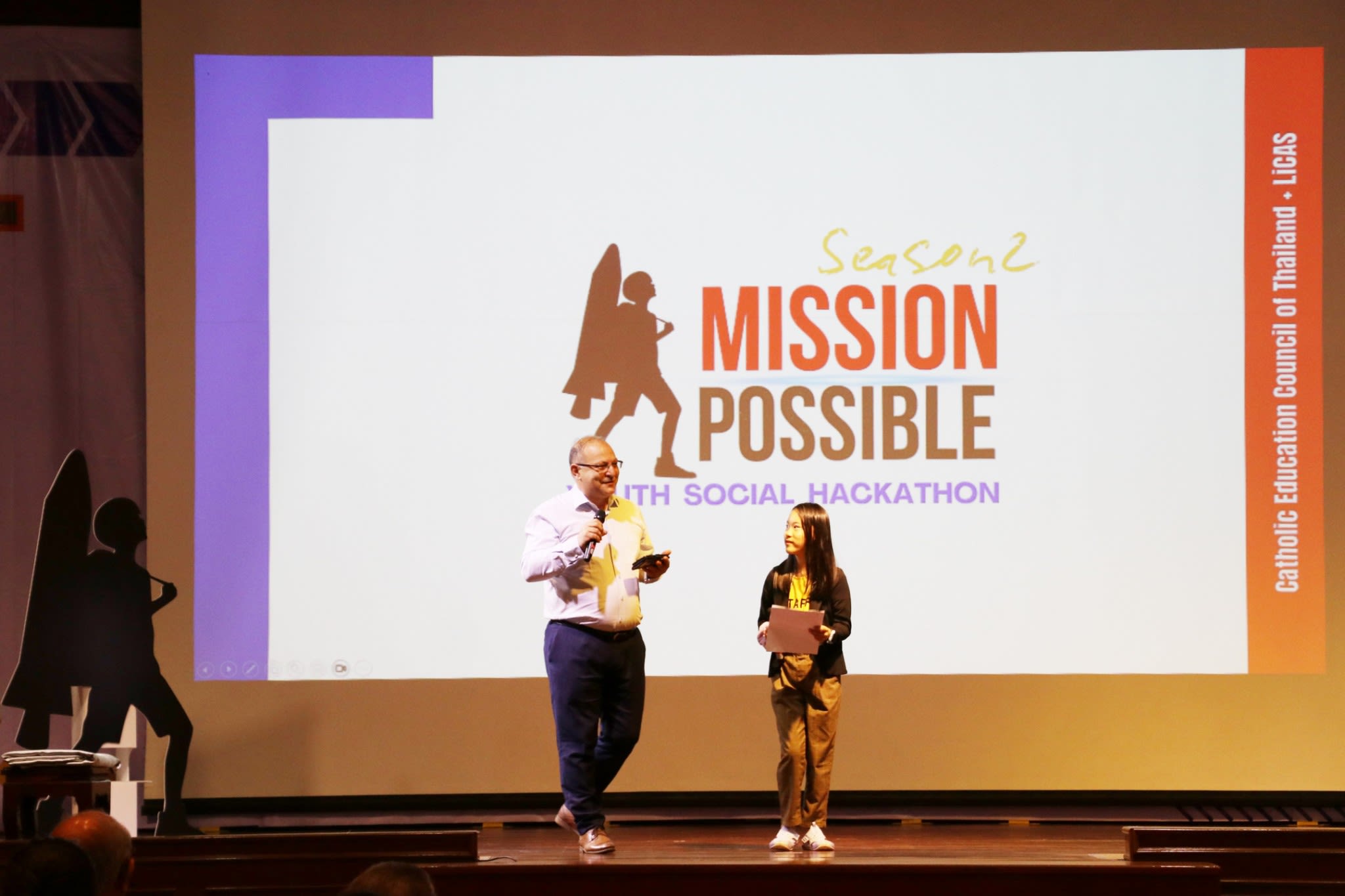
Later, Dr. Thierry Bonaventura of the General Secretariat of the Synod praised the spirit of the gathering, saying, “What you’ve created here is like a sacred space — not just a place to brainstorm, but a space where bridges are built toward a better world.” He reminded the students that “the true victory lies in the experience you’ve lived, the friends you’ve made, and the belief that together, you can change the world.”
Judges also noted the compassion underlying the students’ solutions, with one reflecting that “these young people think not only with their minds but also with their hearts.”
For the young hackers themselves, the experience was transformative.
“This hackathon is not like other events,” said Phattamaze Chanasita of Streemandapitak School, Chantaburi. “Here, we came with the fuel and the hackathon provided the flame that lit our powers and minds. I hope the hackathon will happen for many more years.”
Pitchaorn Prakhamthai, from Holy Redeemer Northeastern Region School, shared, “This hackathon has challenged me more than ever, but I am now confident that I am able to take on the challenges ahead when I go to university.”


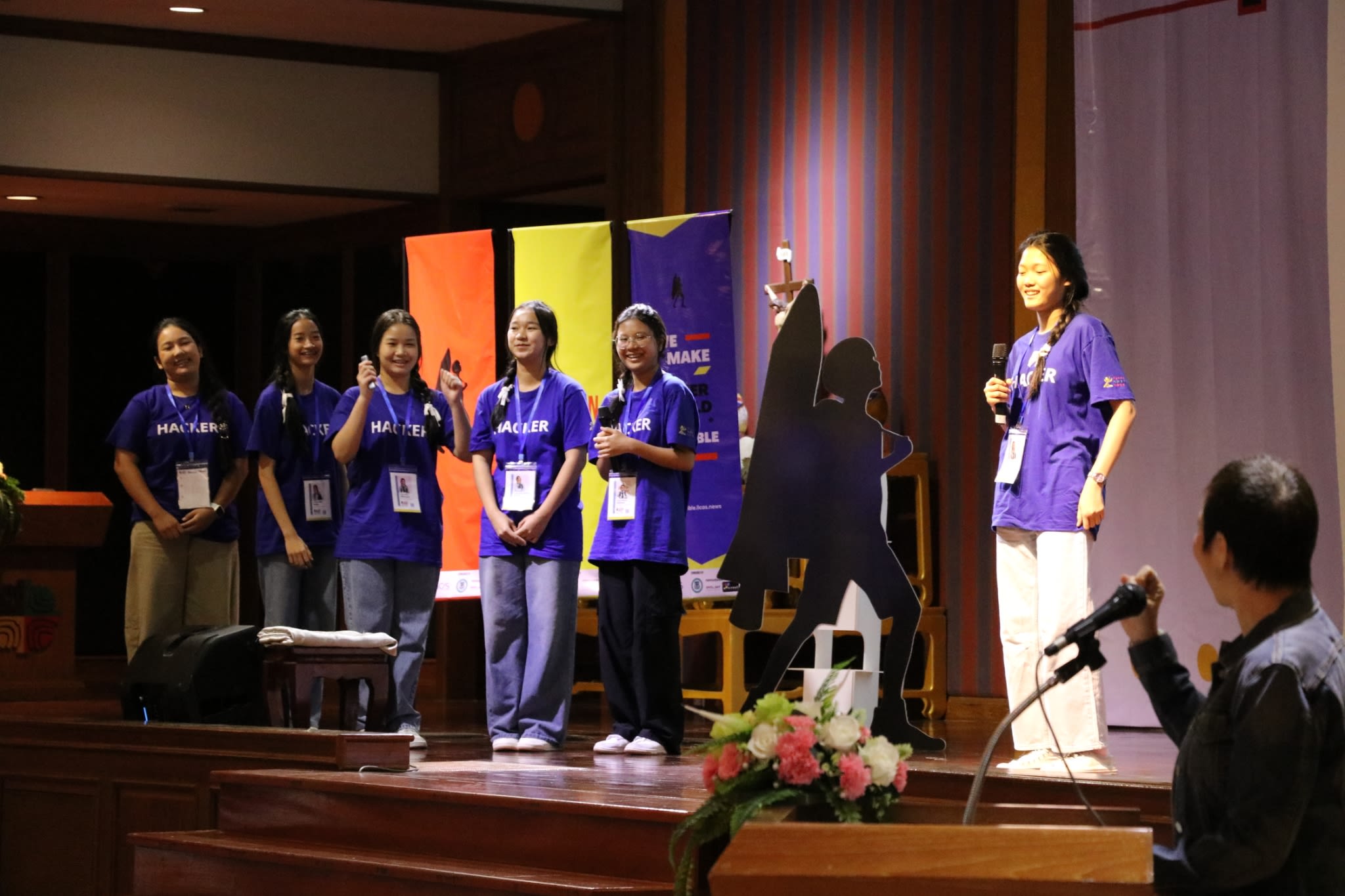
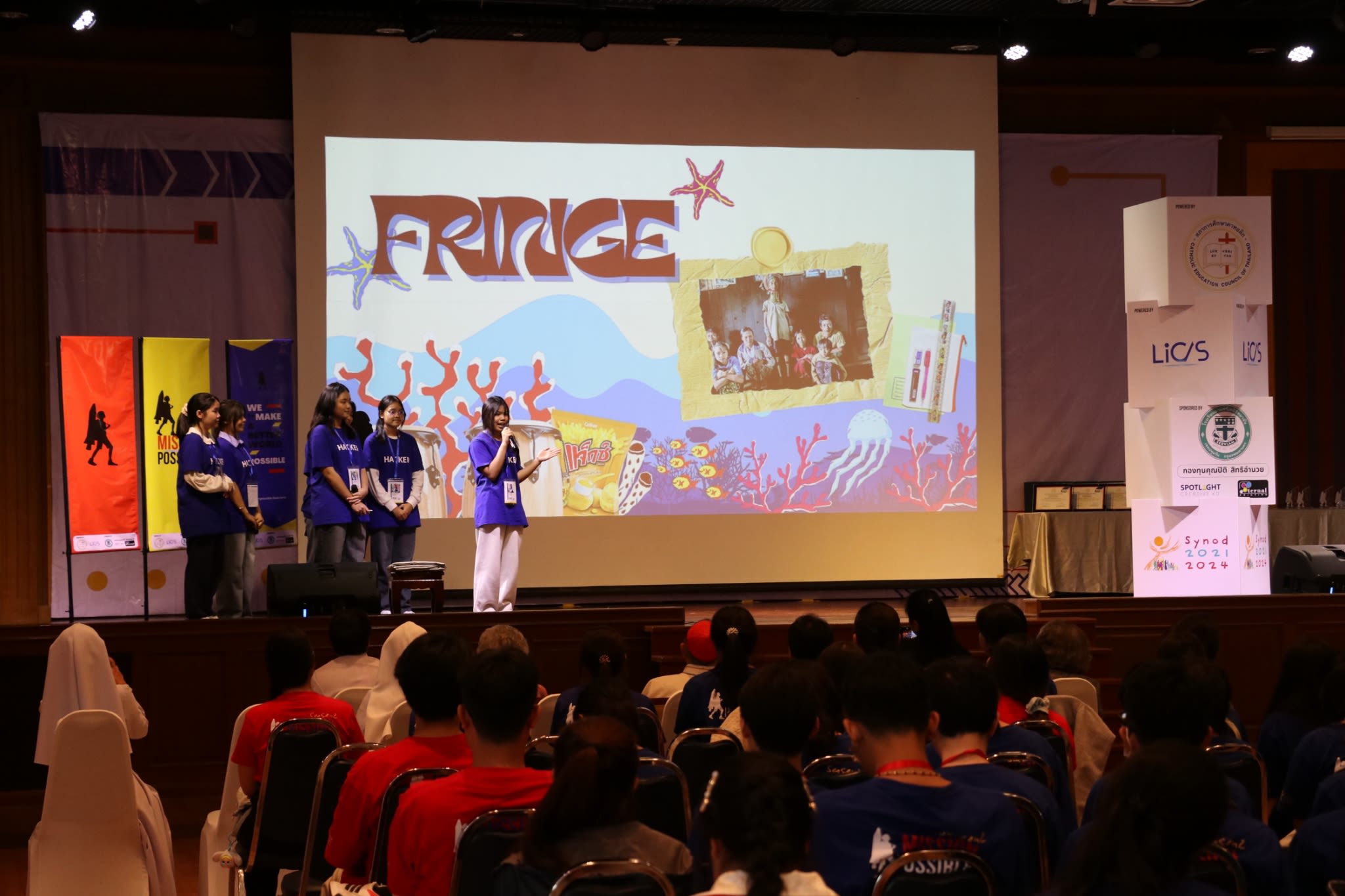
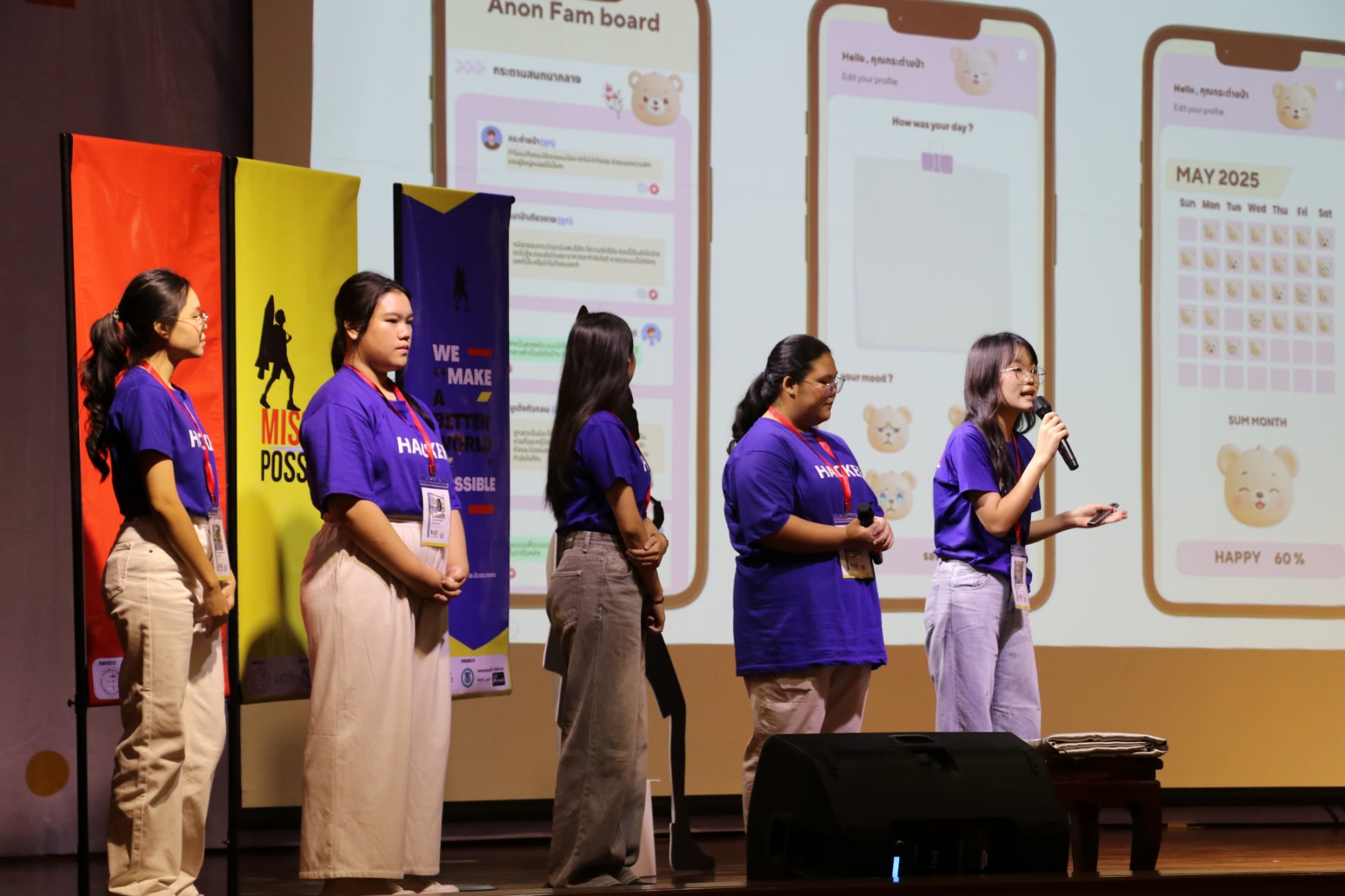
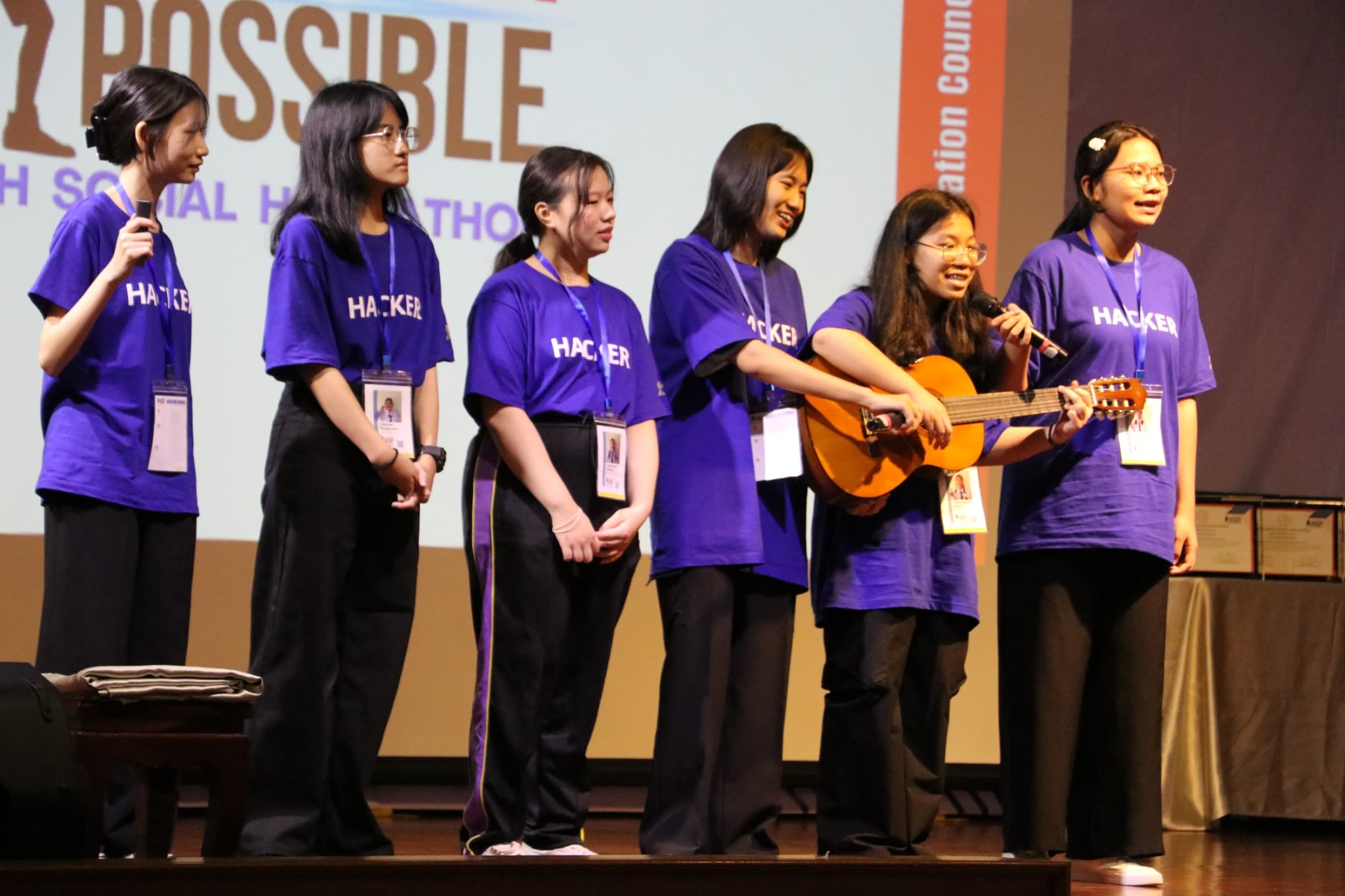

Ideas that Bridge Generations
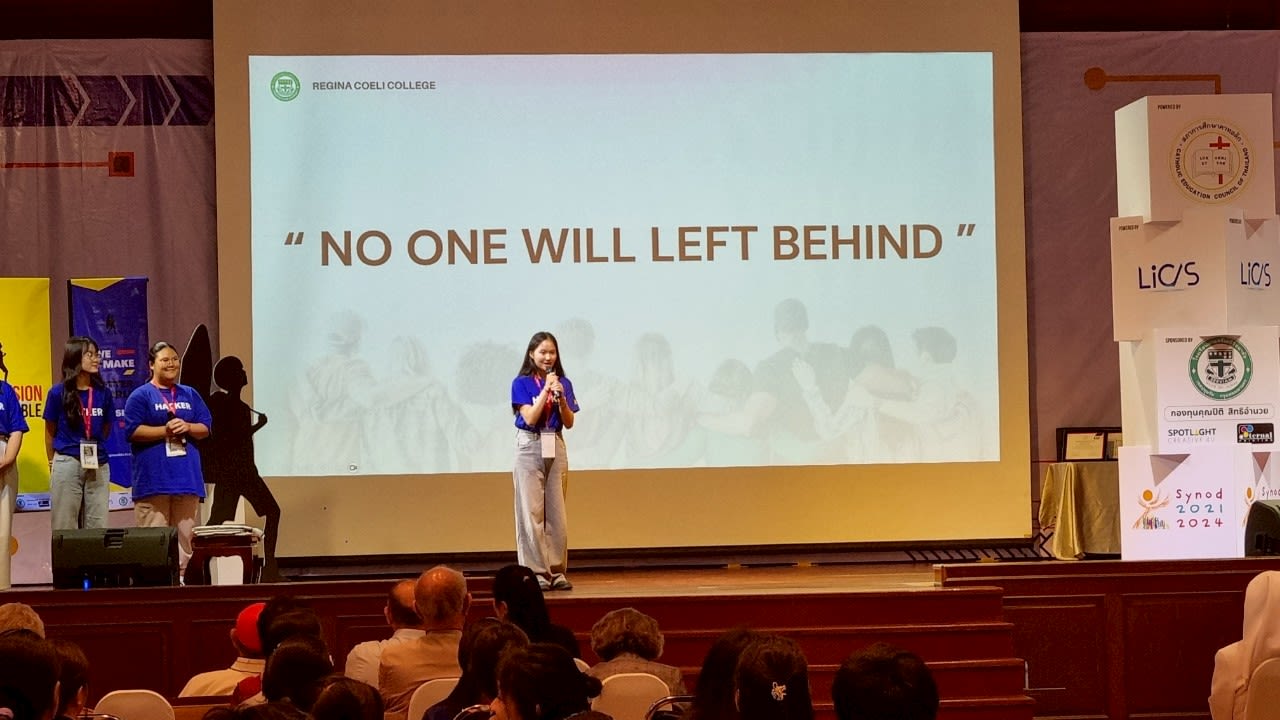
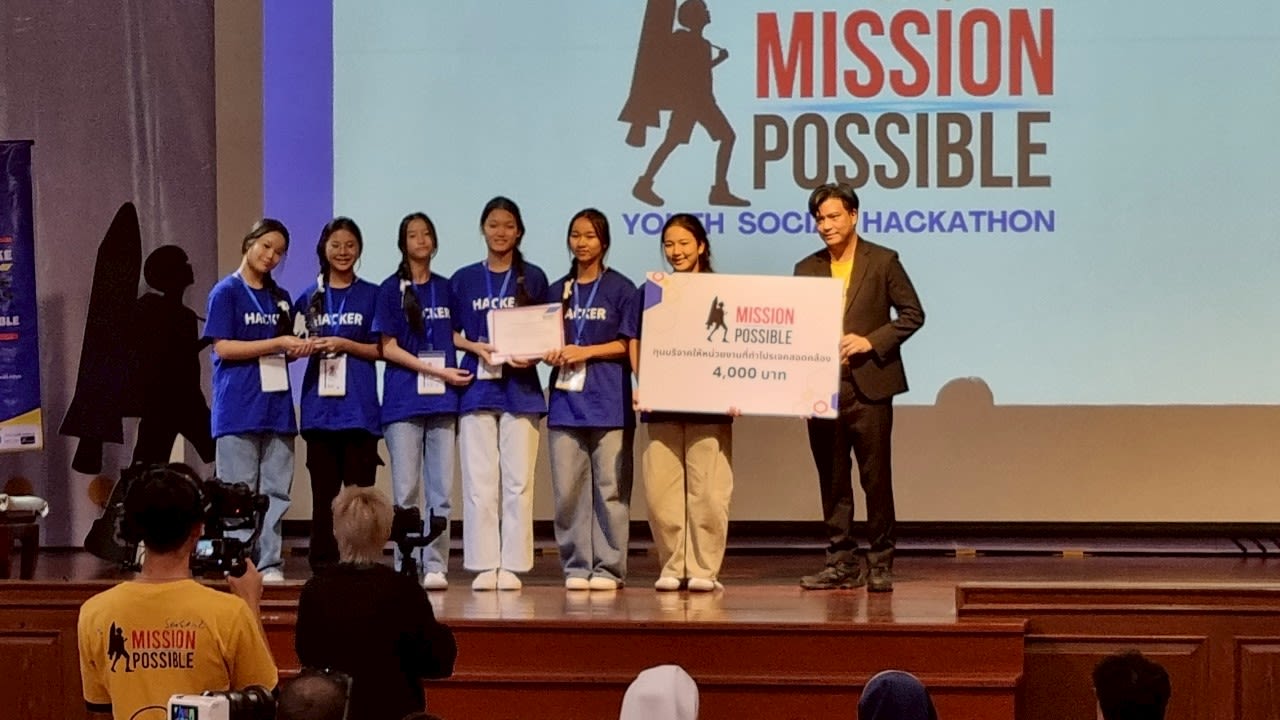
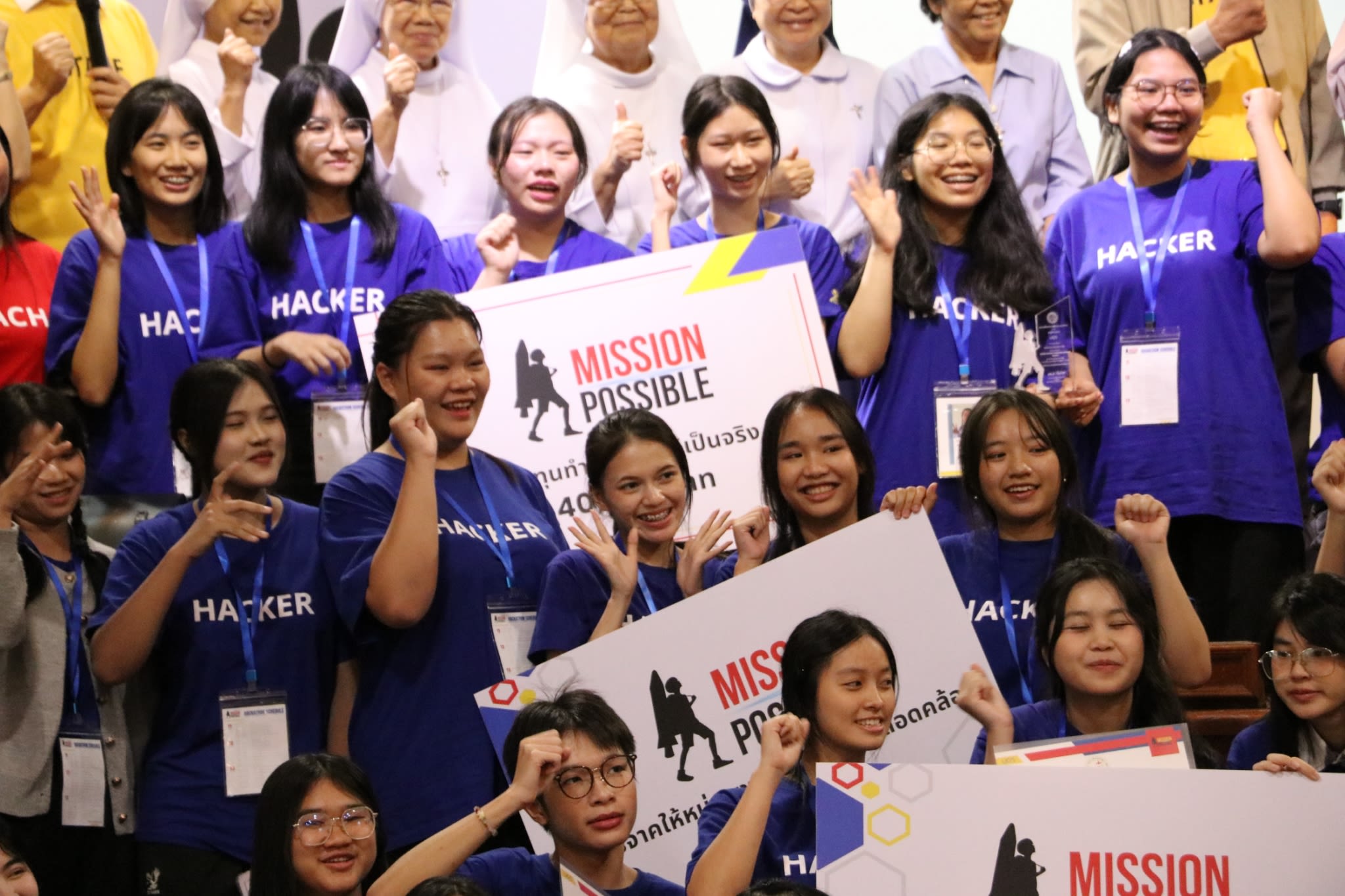
Standout pitches included an all-girls team from Regina Coeli College (Chiang Mai) addressing family disconnection among students attending boarding schools. They opened their pitch with a striking question: “When was the last time you communicated with your parents?”
Their proposed mobile app, Bear Bridge, was designed to strengthen family ties through shared calendars, photo streams, and real-time messaging.
“We completely rewrote our pitch late into the night, and didn’t get any sleep,” one team member recalled. “We really tried to be synodal — listening, reflecting, and acting together.”
Regina Coeli College: “Bearbridge” Application (turn on closed captions for English subtitle)
Marie Upatham School – “Way to Heart” project
Saint Joseph Bangna School – “You Matter Boxset” project
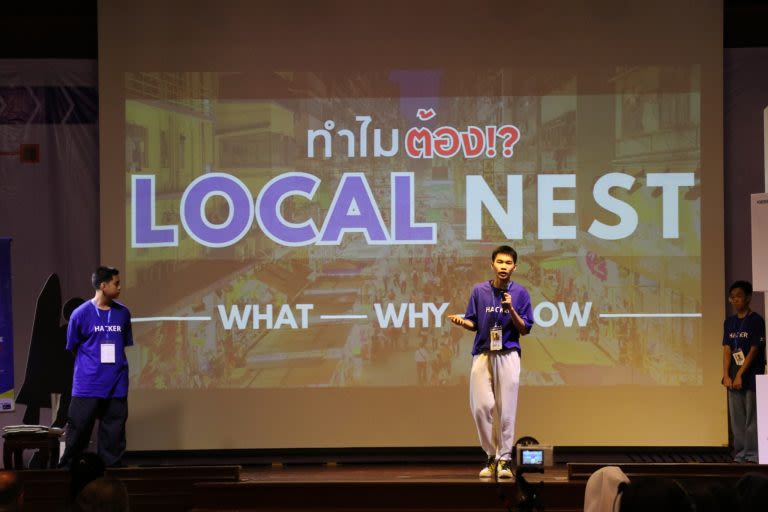
Saint Gabriel’s College – “Local Nest” project
Mission with a Future
Now in its second year in Thailand, MISSION POSSIBLE will expand to the Philippines later in October 2025 with Assumption Antipolo as the host. Future editions are being explored in Indonesia, Vietnam and beyond. Alumni from Season 1 returned to cheer this year’s teams — a sign of the program’s growing community and sustained impact.
Celebrating the Spirit of Innovation & the Power of Synodality
By empowering young minds, truly listening, and fostering a collaborative environment, the hackathon showed synodality in action — one pitch, one partnership, and one concrete solution at a time.
When faith, creativity, and compassion converge, together we make a better world possible.
For more information and to see more inspiring photos and on-stage pitching footages from the event, please visit
Produced by June Nattha Nuchsuwan
Edited by Peter Monthienvichienchai
Published September 2, 2025
© Copyright MMXXIV LiCAS.news

 Built with Shorthand