
Electrifying Hope
Indigenous village in central Philippines marks first electrified New Year with light and hope


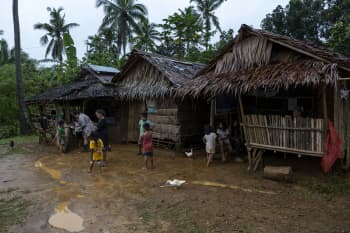
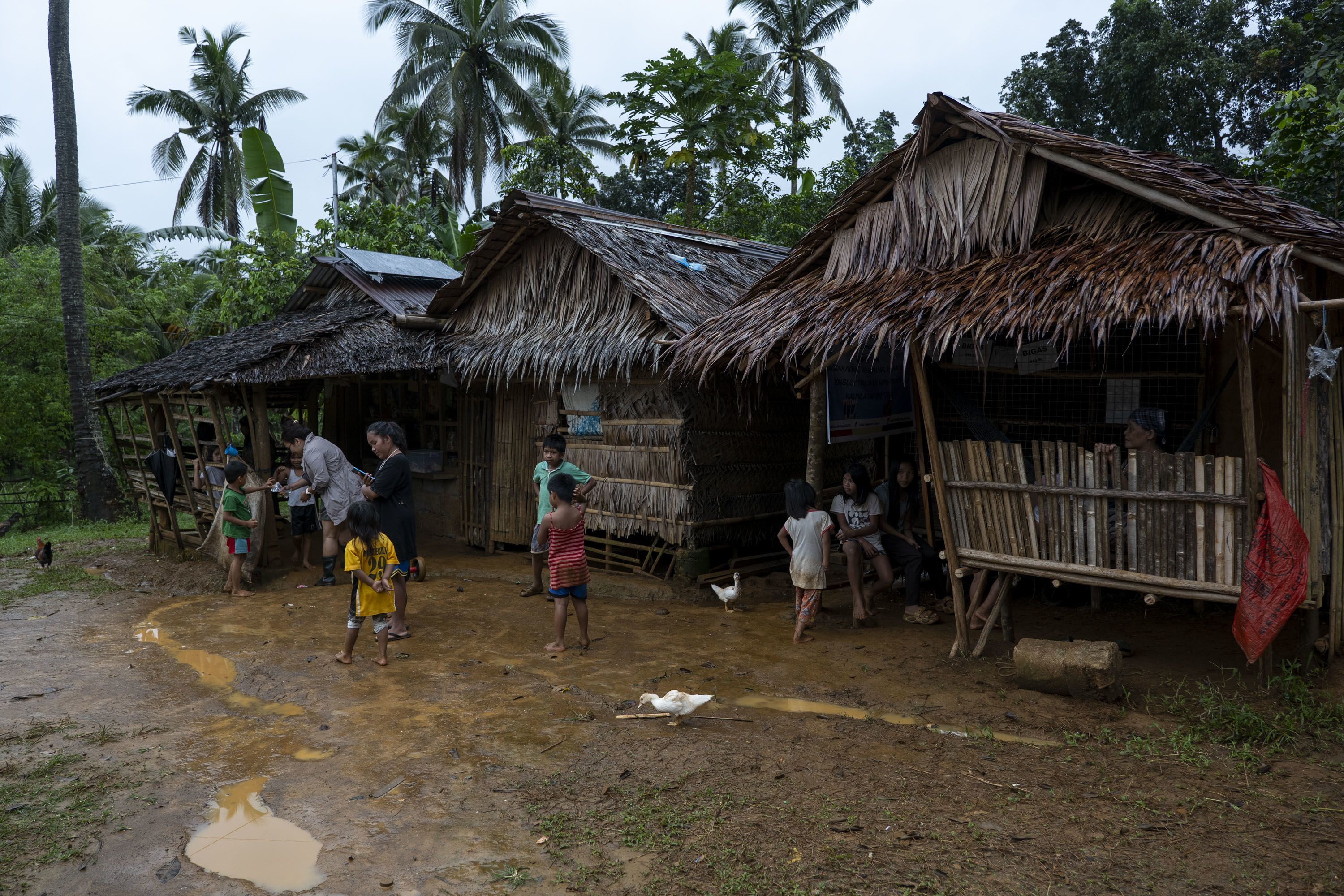
For years, the Mangyan-Tadyawan community in Victoria town, in the central Philippine province of Oriental Mindoro, has marked the New Year without a single light bulb illuminating their homes.
“Celebrations must be done in the daytime,” said Indigenous Mangyan-Tadyawan leader Ronnie Sumbad. “It is too dark to observe the holiday eves.”
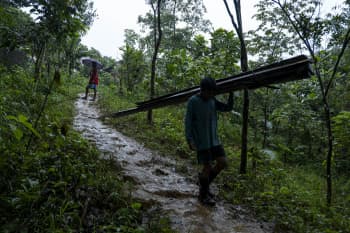
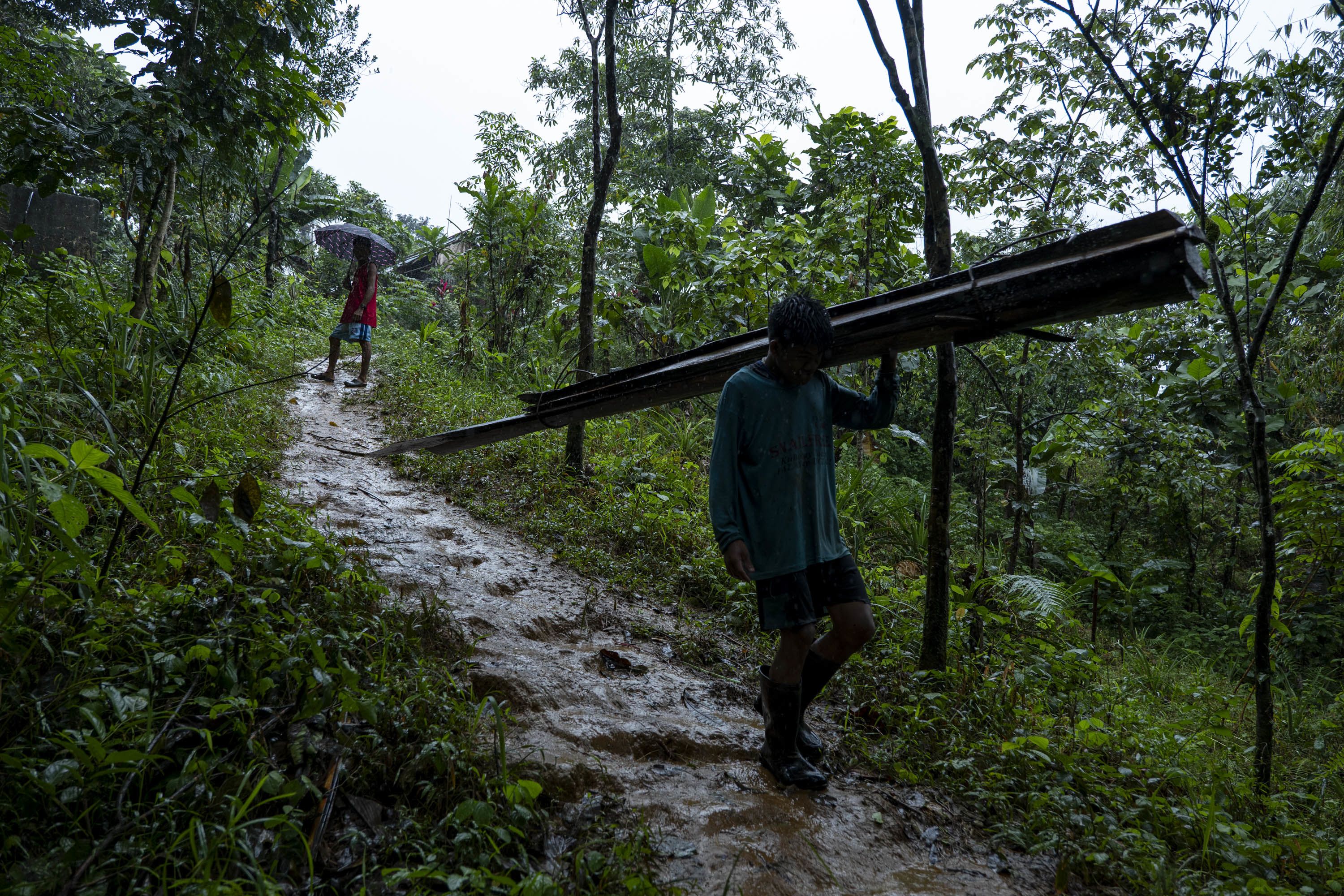
Although the community lies only about 100 meters from the road connecting the village to the town proper, it remains outside the reach of the power grid.
We are near an electric post along the road, but in reality, we still have no access to public utility services. Imagine how much harder it is for Indigenous communities in remote areas,
Poverty and exclusion from reliable energy access have deepened the marginalization of many Indigenous villages across the country, including the Mangyan-Tadyawan community in Victoria town.
The country’s energy department estimates that about 3.677 million households still need access to electricity, with 1.285 million located in off-grid and hard-to-reach areas, including communities technically within the main grid but difficult to connect through regular service.


In December 2025, the Apostolic Vicariate of Calapan in Oriental Mindoro began integrating renewable energy into its pastoral initiatives, linking the Church’s ecological mission with efforts to expand electricity access for marginalized communities.
Bishop Moises Cuevas of Calapan, who heads the Episcopal Commission on Indigenous Peoples of the Catholic Bishops’ Conference of the Philippines, led the launch of the Renewable Energy Transition Implementation Plan.

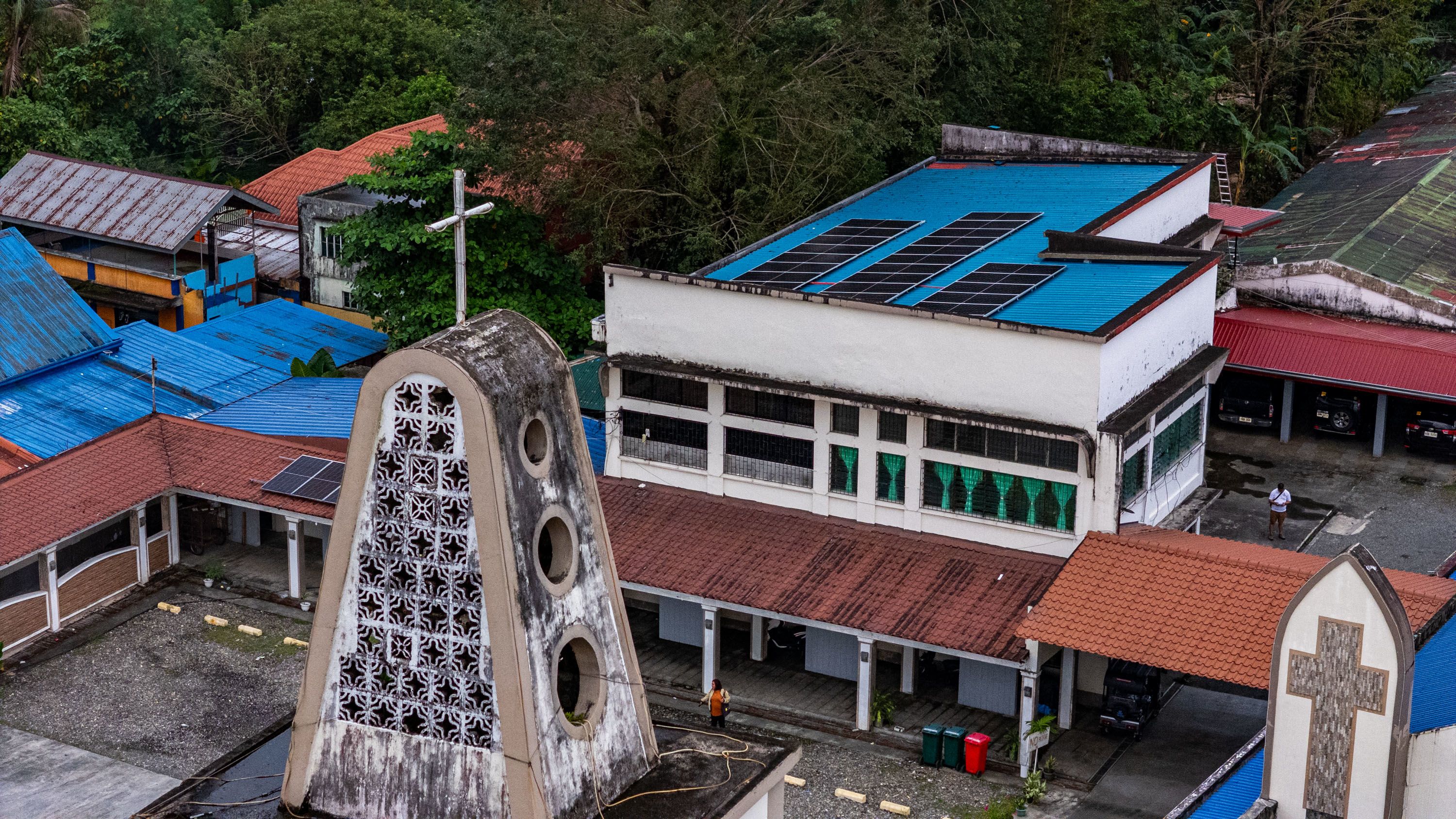
- Solar panels are installed on the roof of the Good Shepherd Parish complex in Victoria town, Oriental Mindoro, as part of the parish’s transition to renewable energy.
- Solar panels are installed on the roof of the Good Shepherd Parish complex in Victoria town, Oriental Mindoro, as part of the parish’s transition to renewable energy.
“The Church must be a model: parishes lit by the sun, schools powered by solar,” Cuevas said, presenting renewable energy as a concrete expression of faith, service, and responsibility to poor, Indigenous, and environmentally vulnerable communities.
As initial steps, the vicariate commissioned pilot solar systems at Good Shepherd Parish and within the Mangyan-Tadyawan Indigenous community in Victoria town, showcasing community-based and people-centered energy solutions.
In collaboration with the Center for Energy, Ecology, and Development (CEED), the Catholic Church in Oriental Mindoro installed solar power systems for 37 Mangyan-Tadyawan households.
“It has long been our dream to have clean, reliable, and environmentally friendly energy in every household, as part of our community’s solidarity with the advocacy and mission of the Church,”
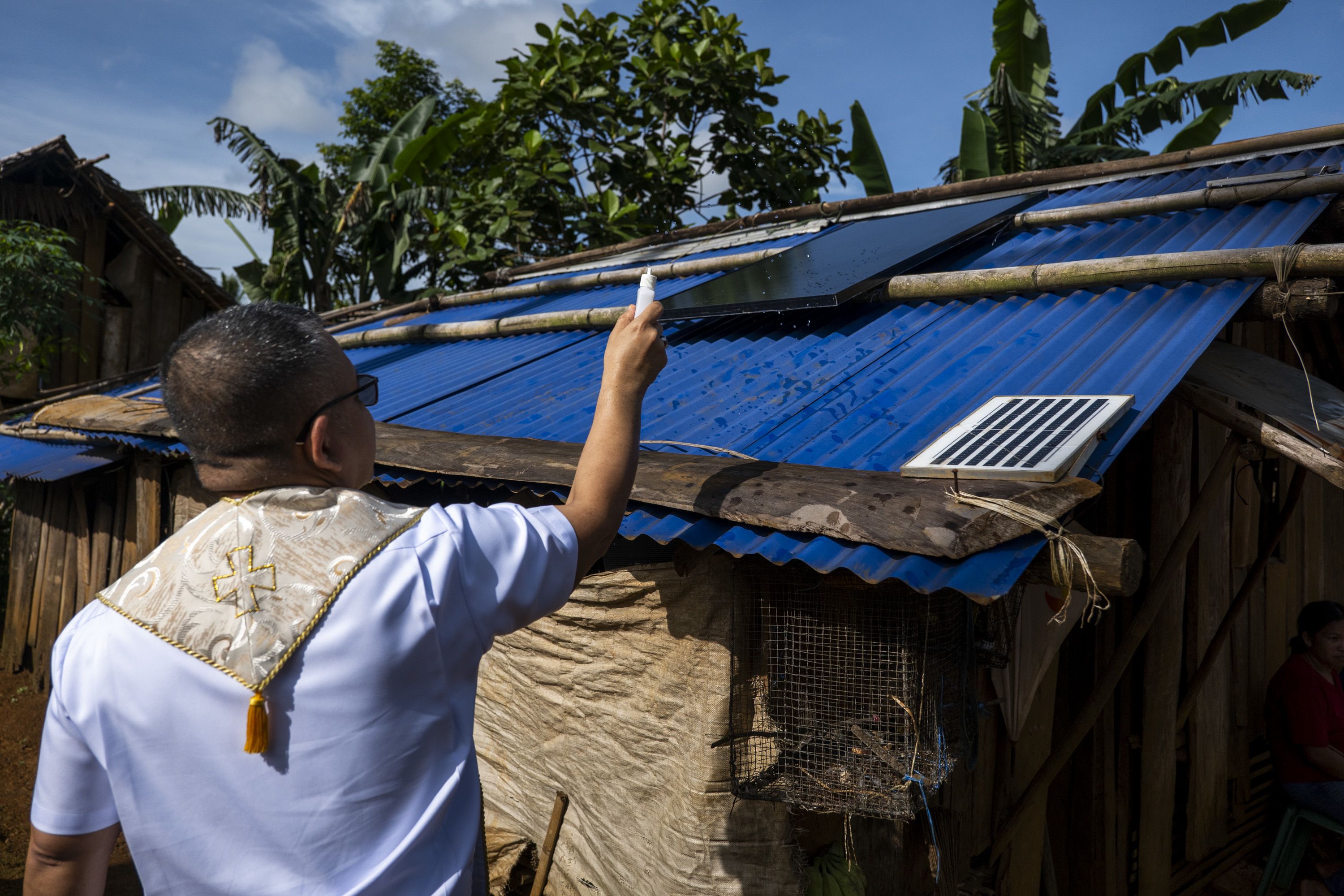
Bishop Moises blesses a newly installed solar panel on the roof of a Mangyan-Tadyawan household during a community electrification initiative in central Philippines.
Bishop Moises blesses a newly installed solar panel on the roof of a Mangyan-Tadyawan household during a community electrification initiative in central Philippines.
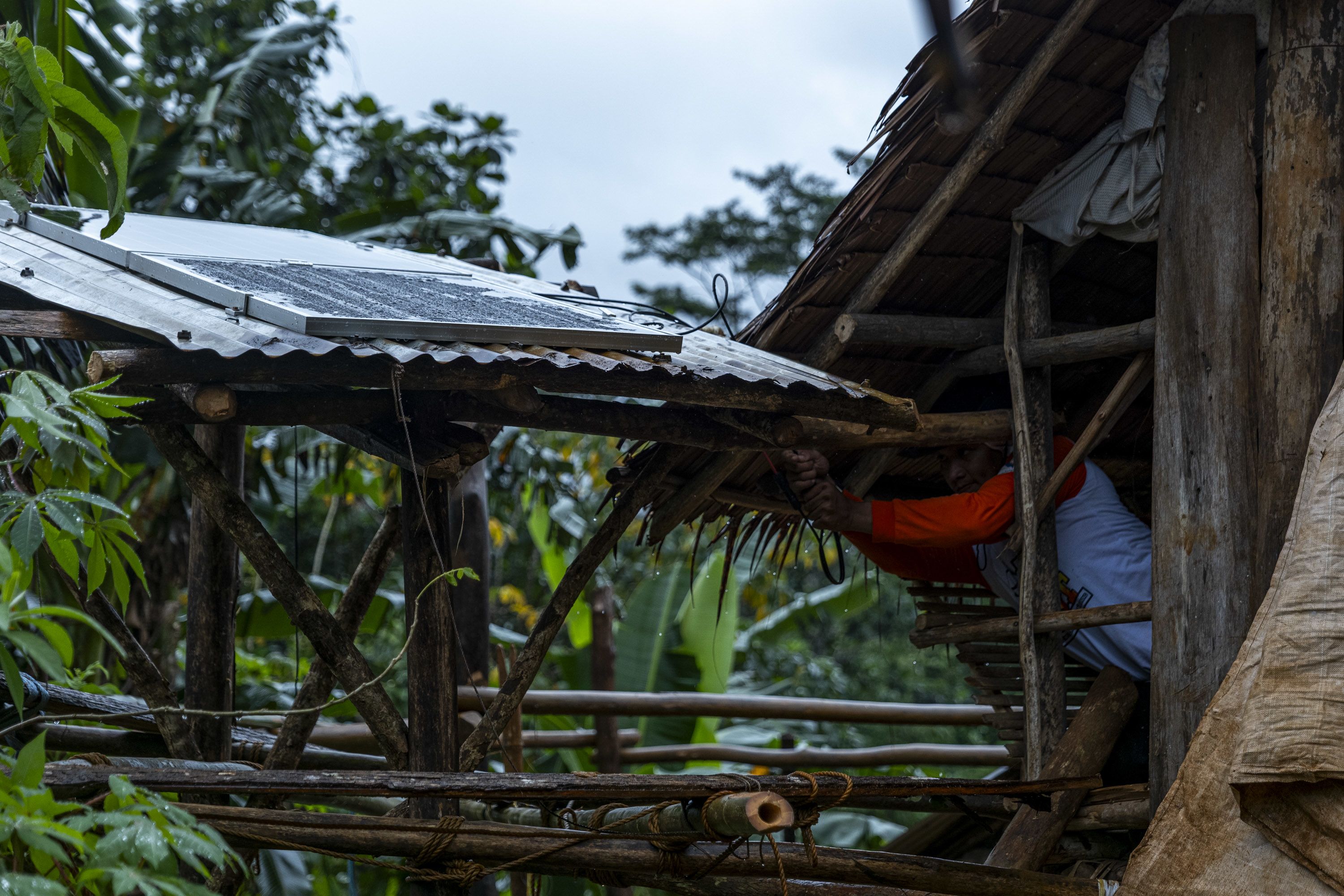
A solar panel is mounted on the roof of a home in Victoria town, Oriental Mindoro, during the installation of a community-based renewable energy system.
A solar panel is mounted on the roof of a home in Victoria town, Oriental Mindoro, during the installation of a community-based renewable energy system.
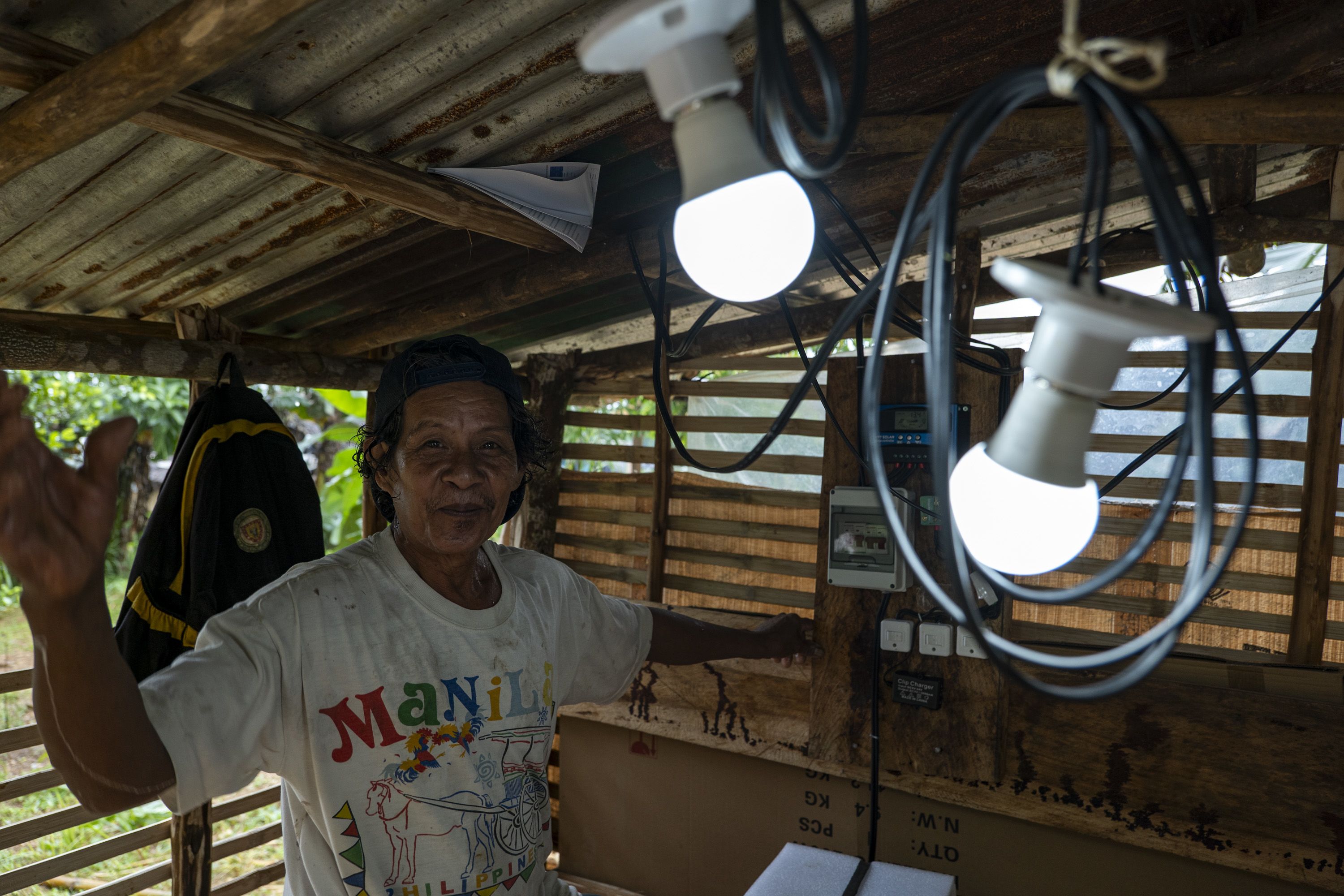
Rudy del Mundo, 64, an elder of the Mangyan-Tadyawan community, stands inside his home in Victoria town, Oriental Mindoro, where newly installed light bulbs illuminate the space.
Rudy del Mundo, 64, an elder of the Mangyan-Tadyawan community, stands inside his home in Victoria town, Oriental Mindoro, where newly installed light bulbs illuminate the space.
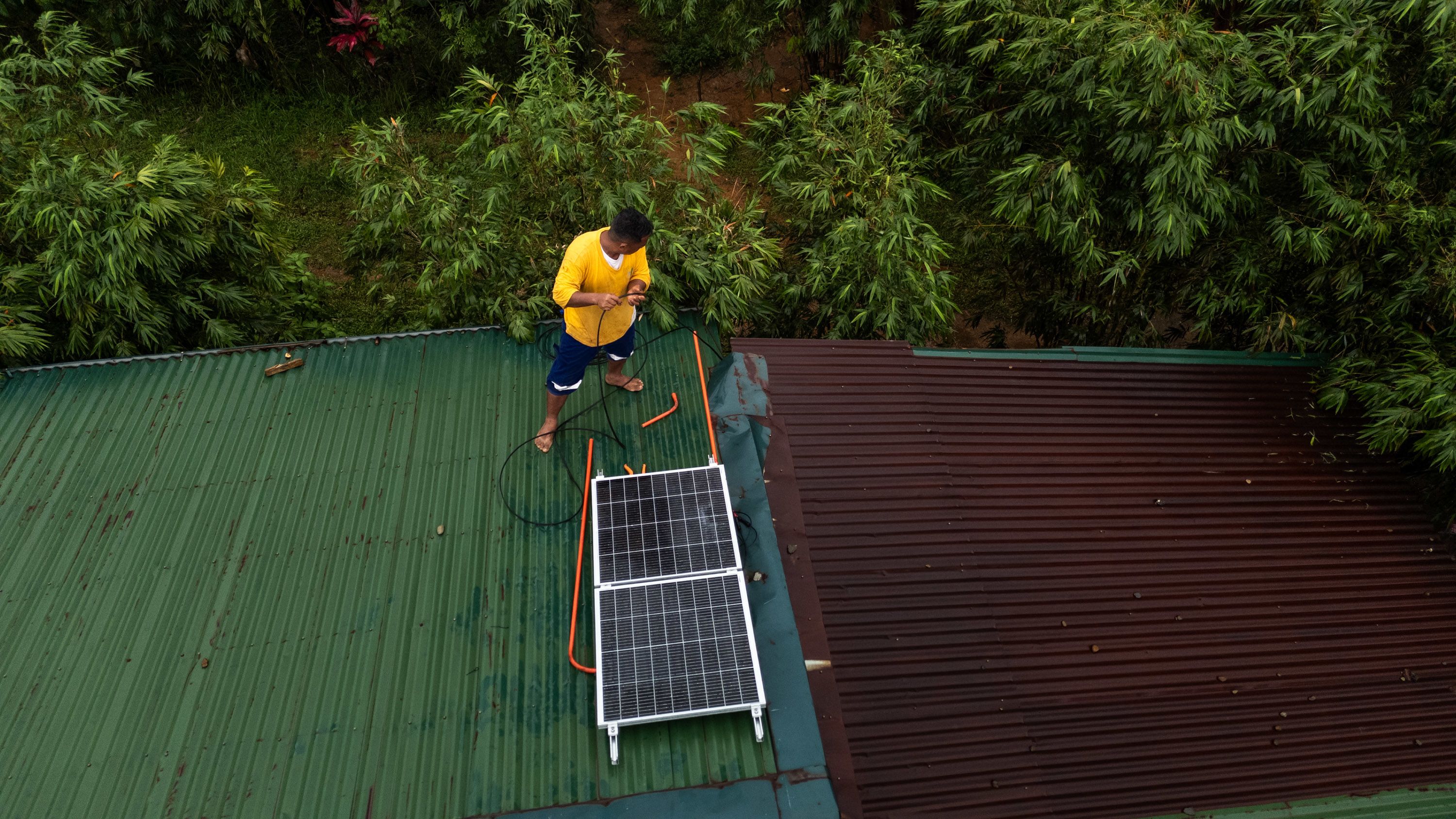
A worker installs solar panels on the roof of a communal facility of an indigenous community in Victoria town, Oriental Mindoro, as part of a community-based renewable energy project.
A worker installs solar panels on the roof of a communal facility of an indigenous community in Victoria town, Oriental Mindoro, as part of a community-based renewable energy project.
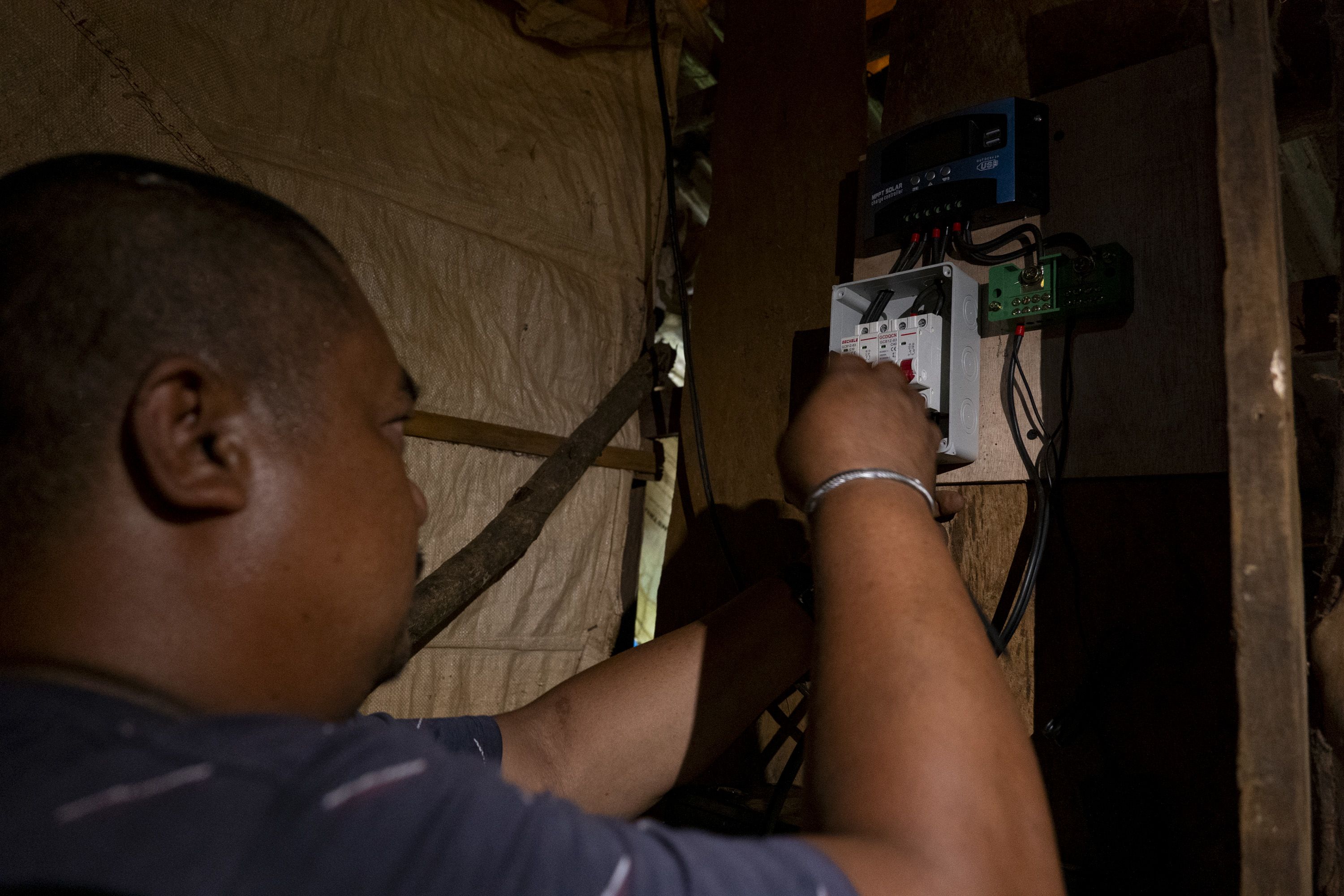
A technician installs a solar power system inside a home in Victoria town, Oriental Mindoro, as part of a community-based renewable energy project.
A technician installs a solar power system inside a home in Victoria town, Oriental Mindoro, as part of a community-based renewable energy project.
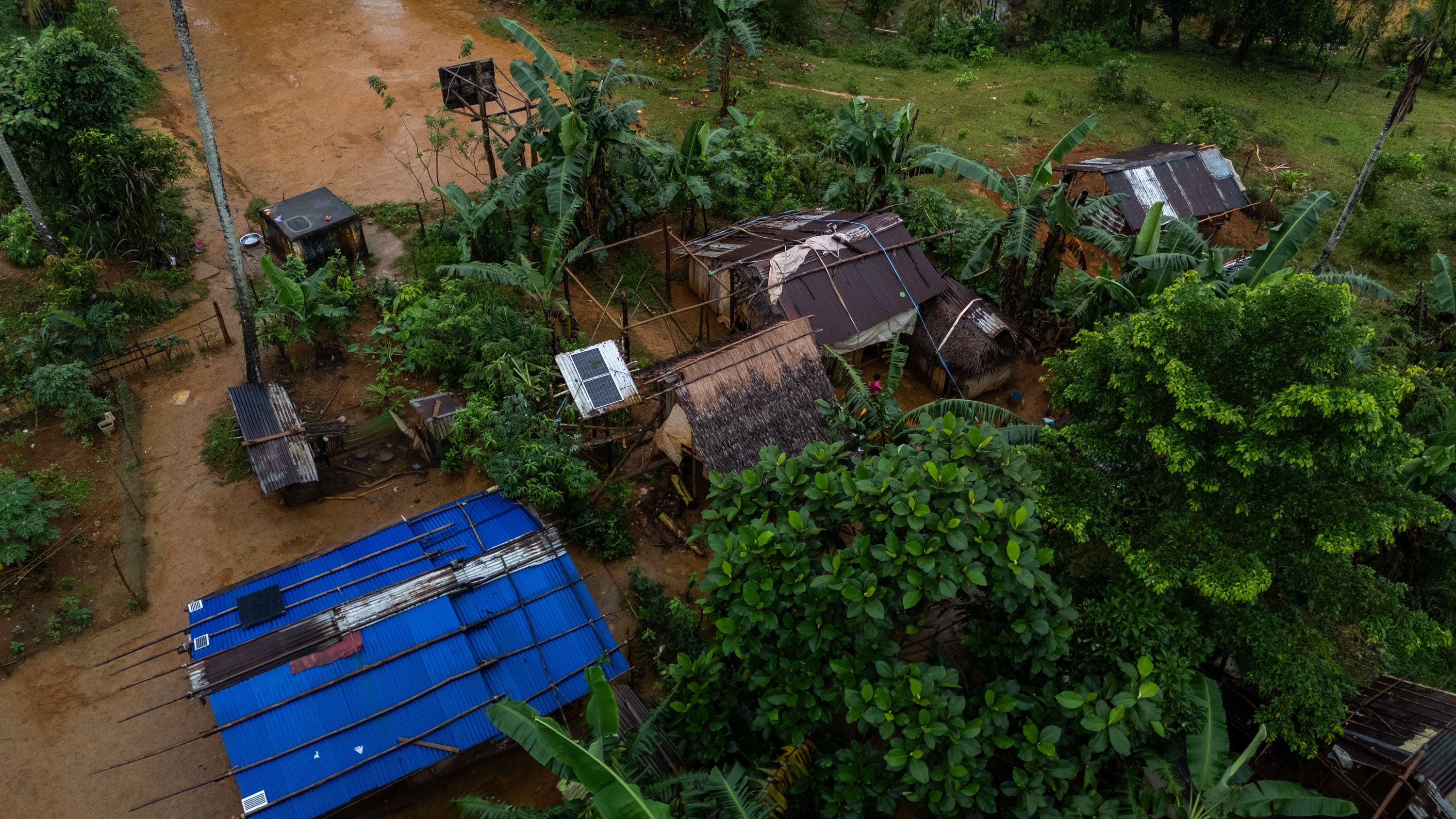
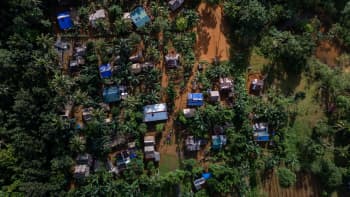
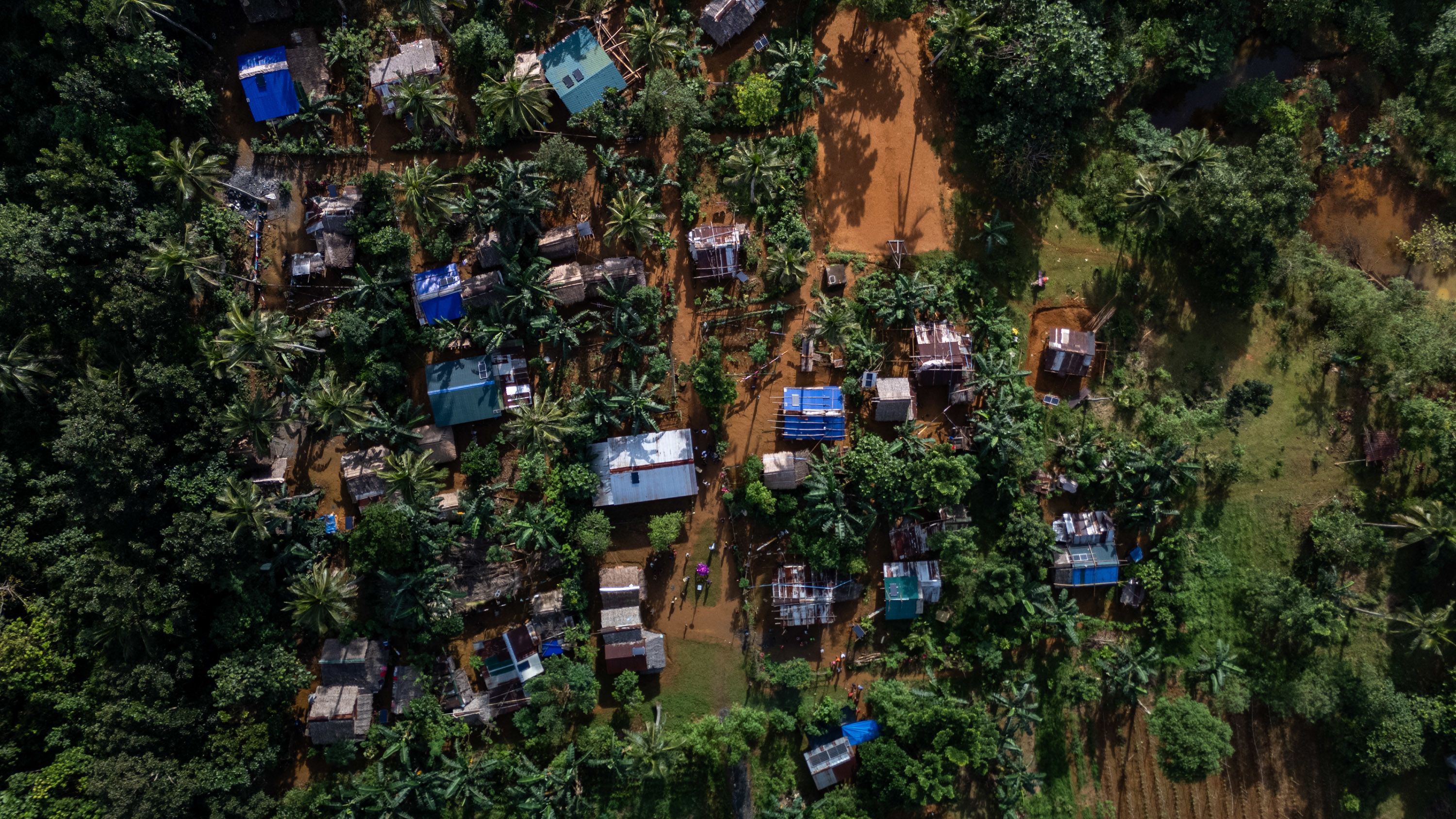
An aerial view shows homes in a Mangyan-Tadyawan community in Victoria town, Oriental Mindoro, with solar panels installed on several rooftops amid surrounding vegetation.
An aerial view shows homes in a Mangyan-Tadyawan community in Victoria town, Oriental Mindoro, with solar panels installed on several rooftops amid surrounding vegetation.
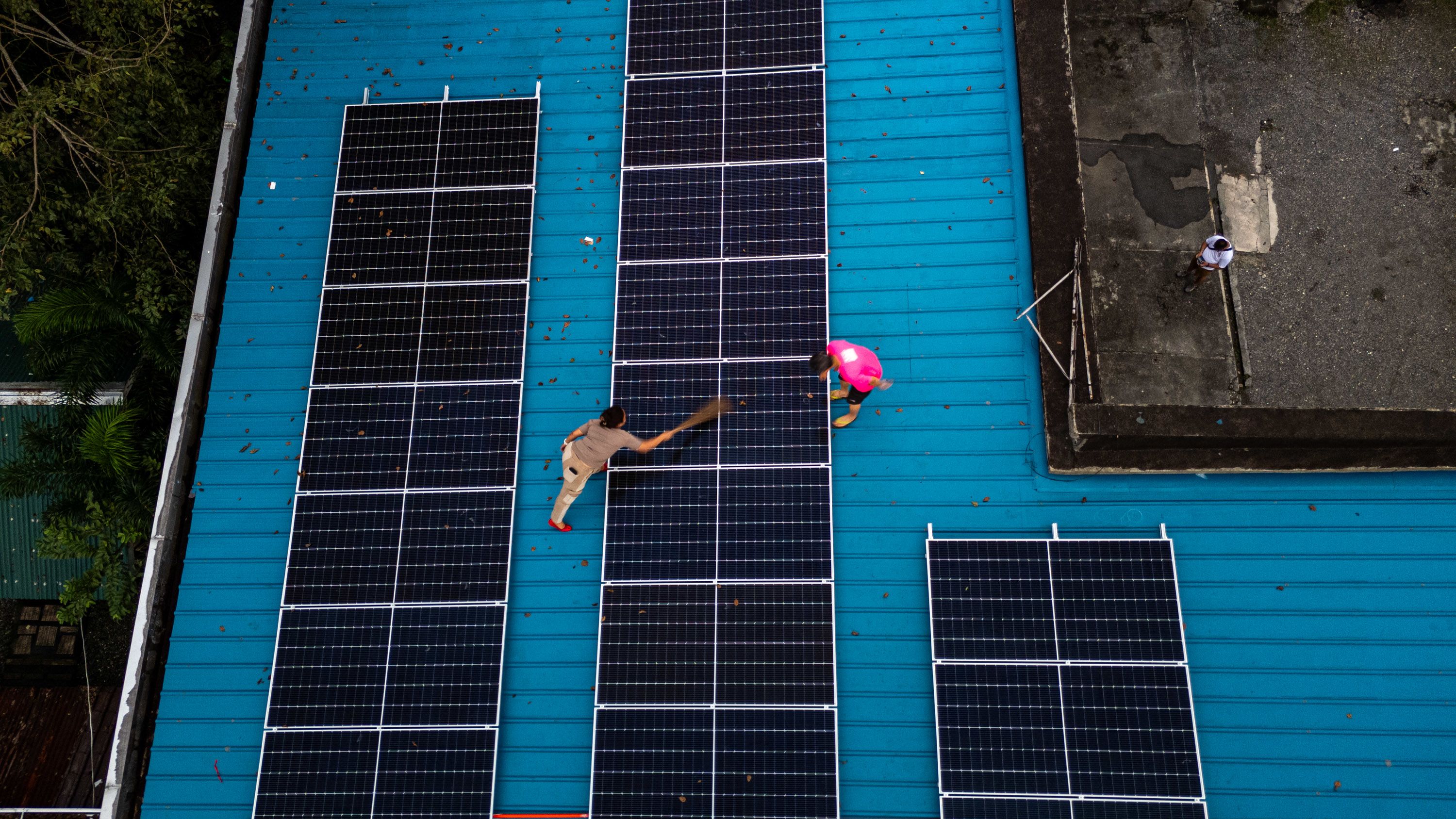
Solar panels are installed on the roof of a parish building in Victoria town, Oriental Mindoro, as part of a renewable energy initiative.
Solar panels are installed on the roof of a parish building in Victoria town, Oriental Mindoro, as part of a renewable energy initiative.
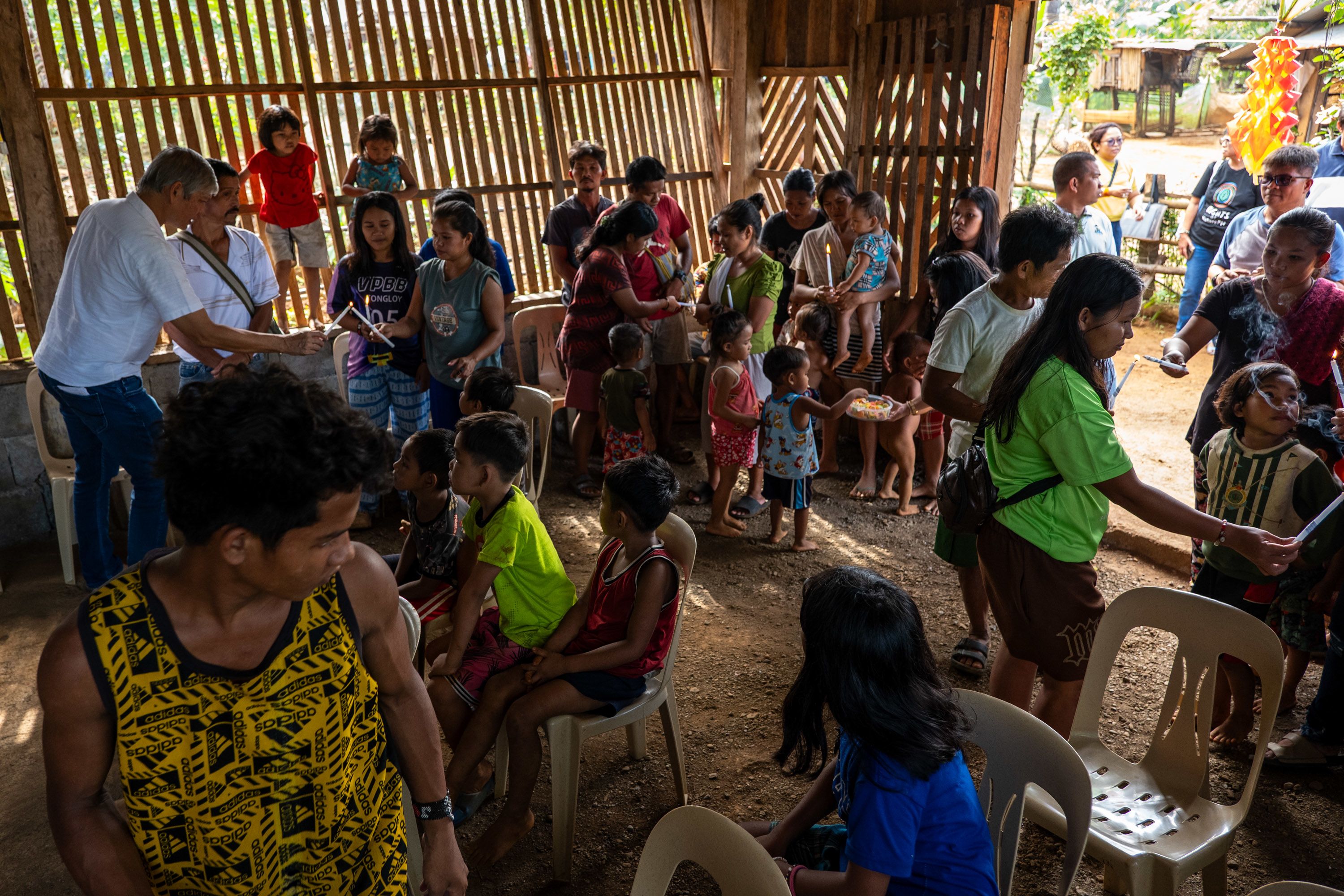
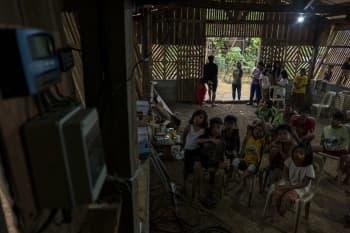
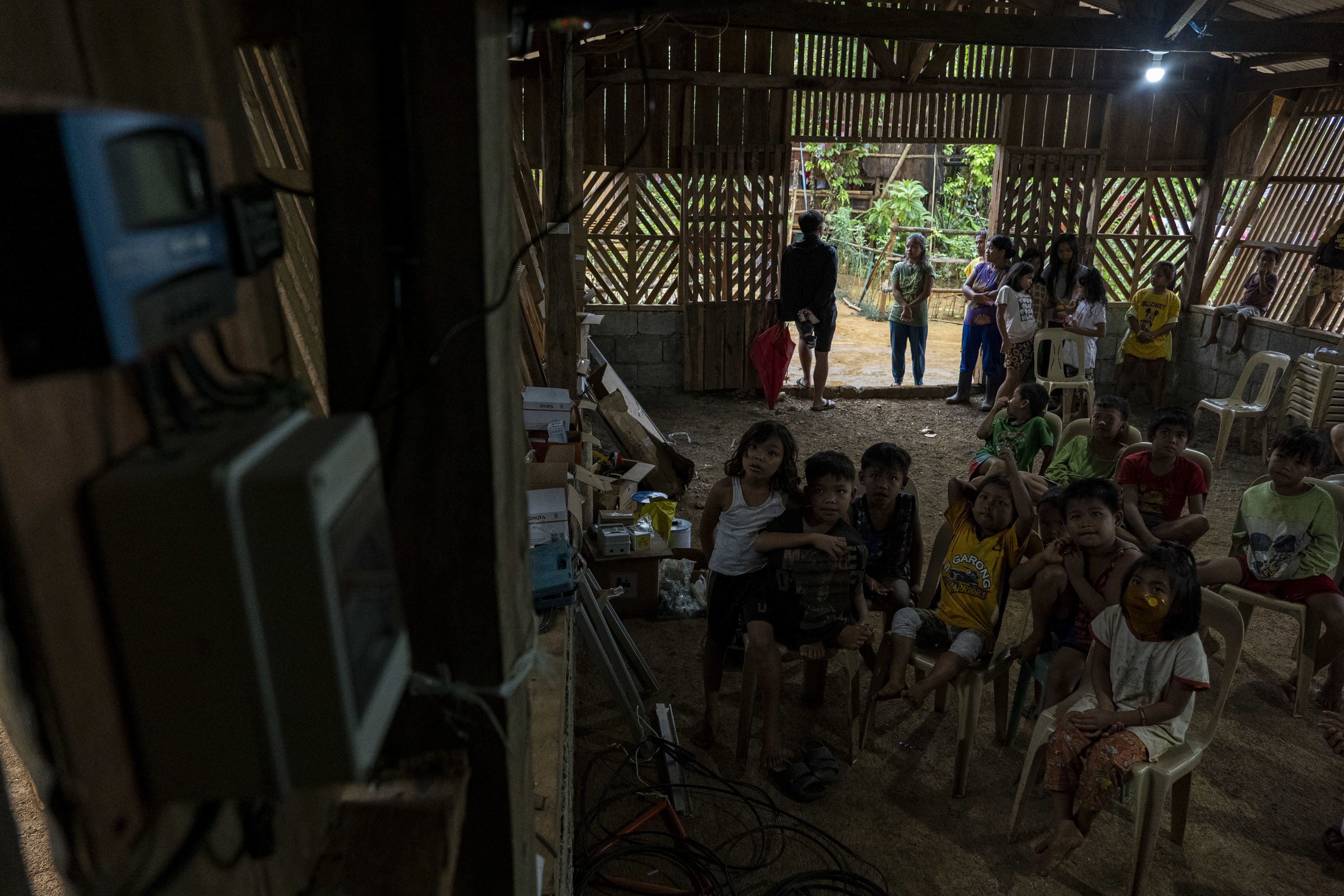
Members of the Mangyan-Tadyawan community, including children and elders, gather inside a village hall during a blessing and community activity marking the installation of a solar power system in a remote area of Victoria, Oriental Mindoro. The event brought together families, Church workers, and partners supporting access to clean and reliable electricity in off-grid Indigenous communities.
Members of the Mangyan-Tadyawan community, including children and elders, gather inside a village hall during a blessing and community activity marking the installation of a solar power system in a remote area of Victoria, Oriental Mindoro. The event brought together families, Church workers, and partners supporting access to clean and reliable electricity in off-grid Indigenous communities.

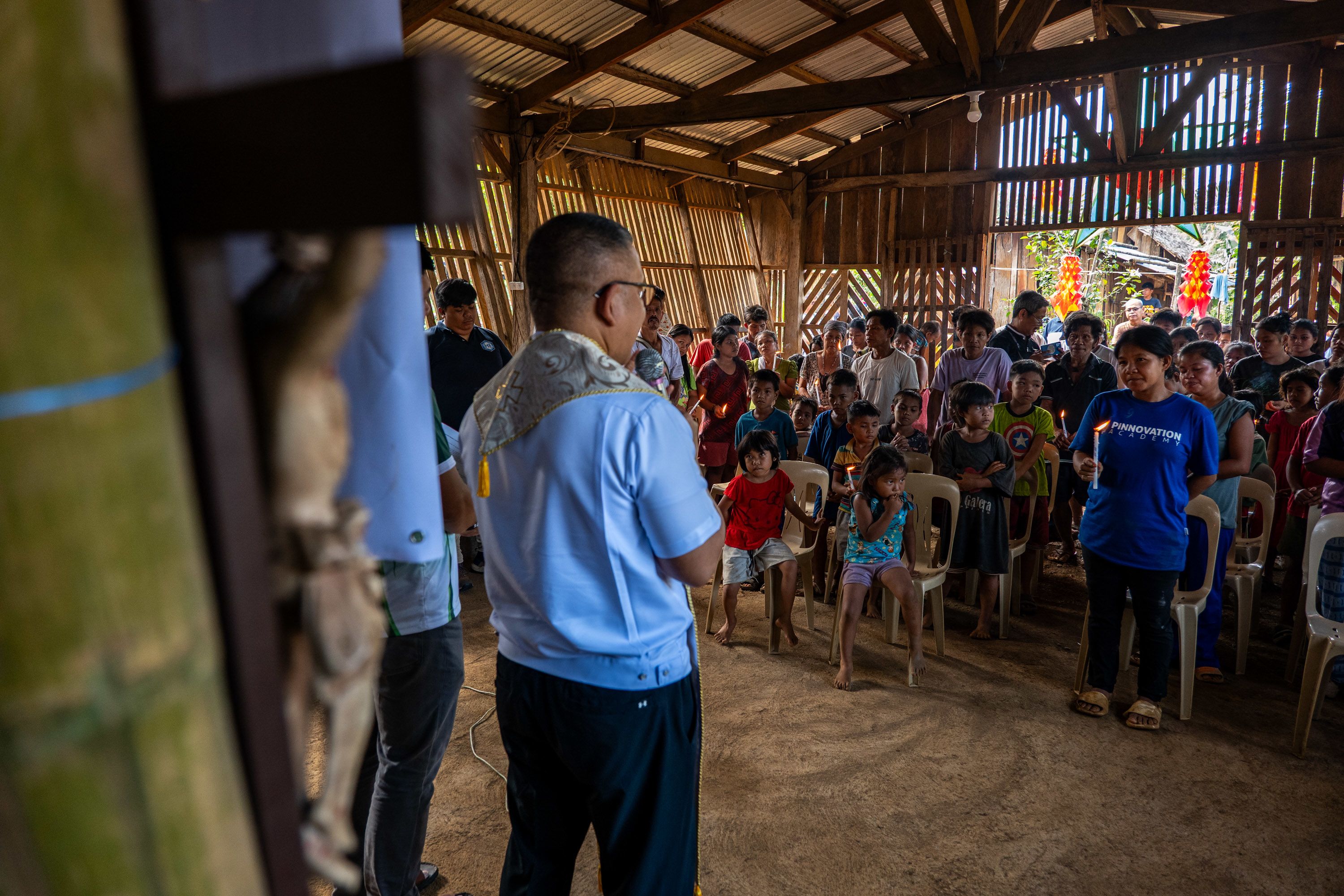
Bishop Moises Cuevas addresses members of the Mangyan-Tadyawan community during a candle-lighting ceremony held inside a village chapel in central Philippines, marking the blessing of newly installed solar power systems for off-grid households.
Bishop Moises Cuevas addresses members of the Mangyan-Tadyawan community during a candle-lighting ceremony held inside a village chapel in central Philippines, marking the blessing of newly installed solar power systems for off-grid households.
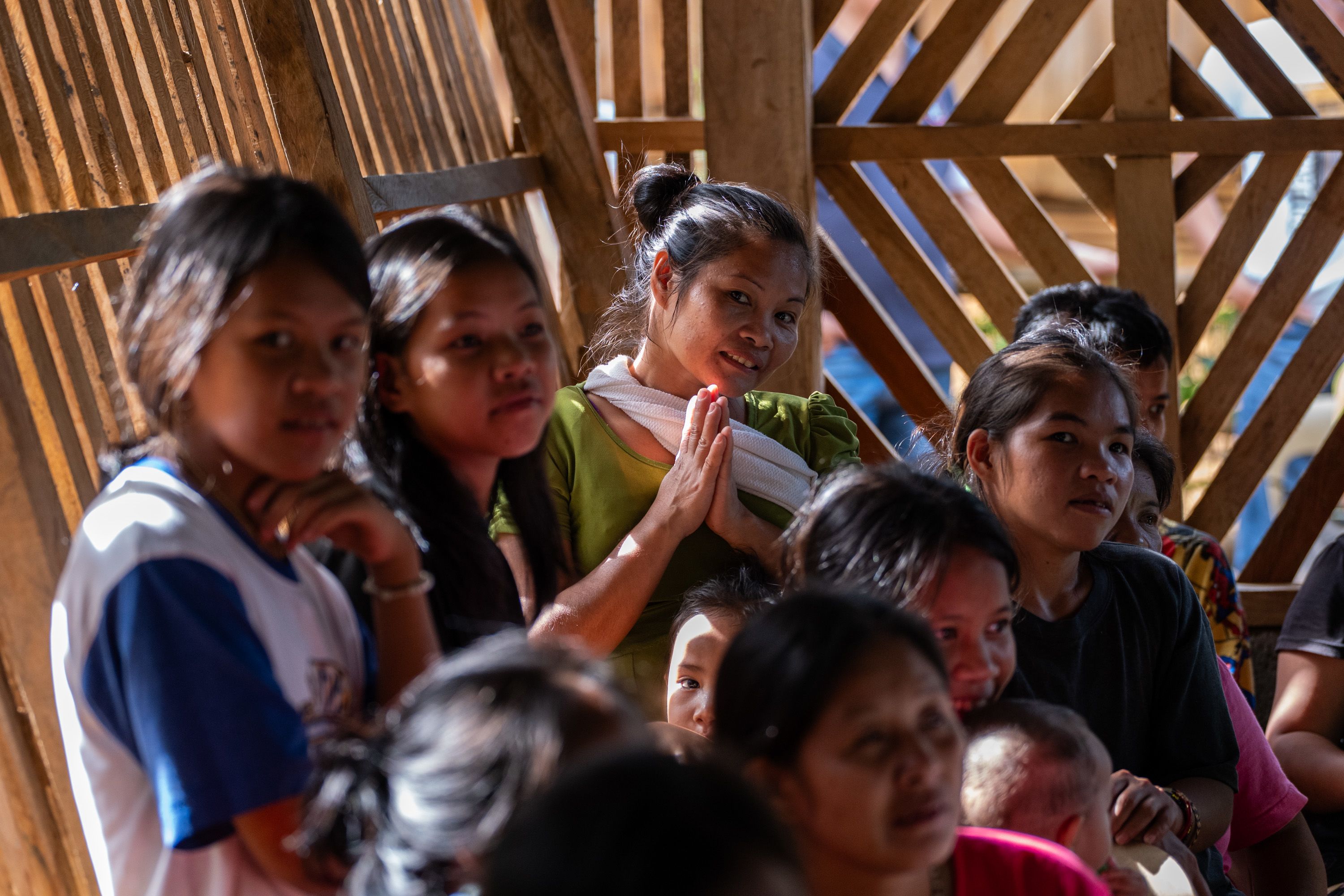
A Mangyan-Tadyawan woman listens during a community gathering held alongside the blessing and turnover of newly installed solar power systems in Victoria town, Oriental Mindoro. Photo by Mark Saludesce, the food staple of every community in the country. (Photo by RTRC)
A Mangyan-Tadyawan woman listens during a community gathering held alongside the blessing and turnover of newly installed solar power systems in Victoria town, Oriental Mindoro. Photo by Mark Saludesce, the food staple of every community in the country. (Photo by RTRC)
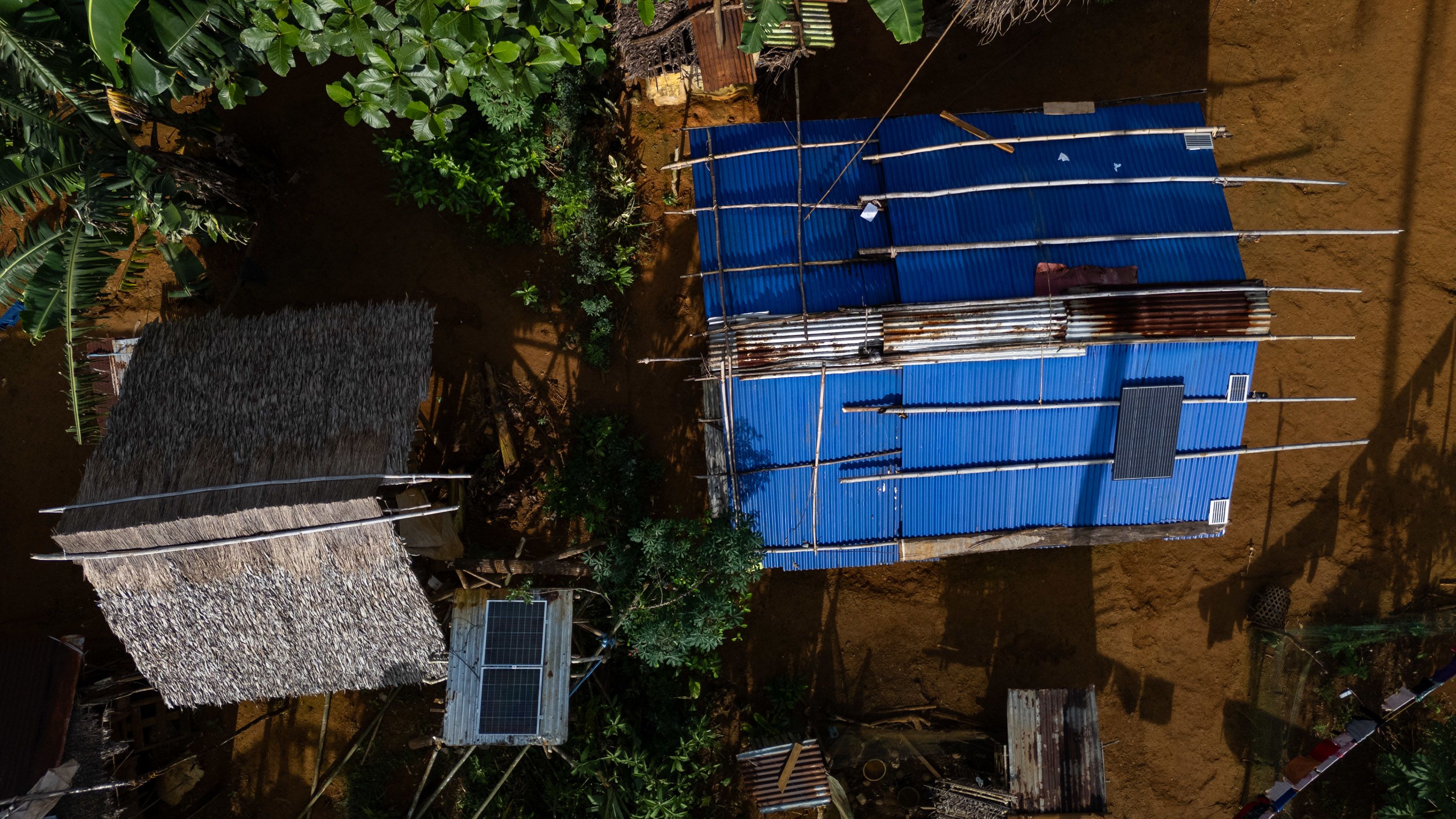
An aerial view shows homes with newly installed solar panels in a Mangyan-Tadyawan community in Victoria town, Oriental Mindoro.
An aerial view shows homes with newly installed solar panels in a Mangyan-Tadyawan community in Victoria town, Oriental Mindoro.
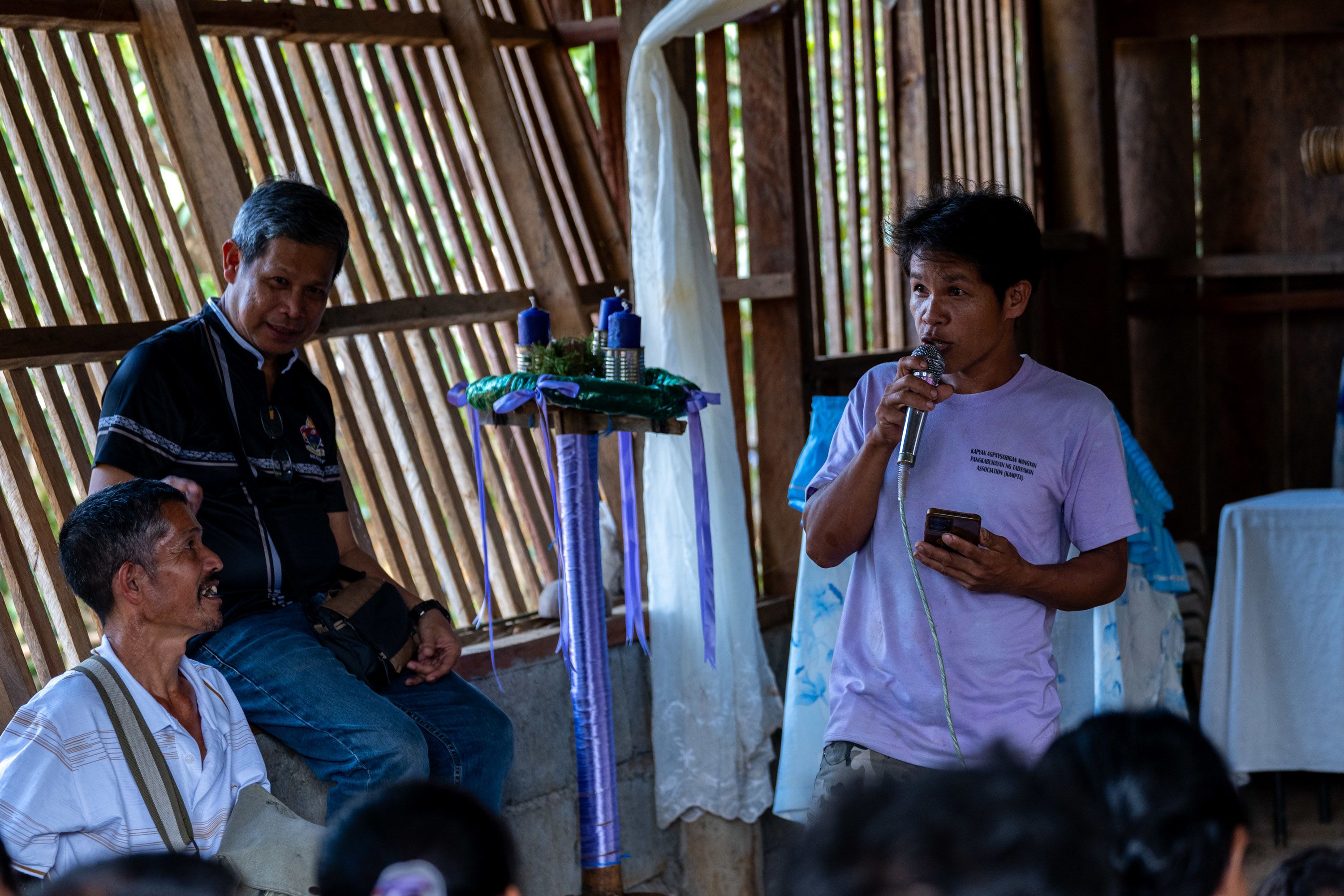
Ronnie Sumbad, a Mangyan-Tadyawan community member, speaks during a gathering marking the installation and turnover of solar power systems in Victoria, Oriental Mindoro.
Ronnie Sumbad, a Mangyan-Tadyawan community member, speaks during a gathering marking the installation and turnover of solar power systems in Victoria, Oriental Mindoro.
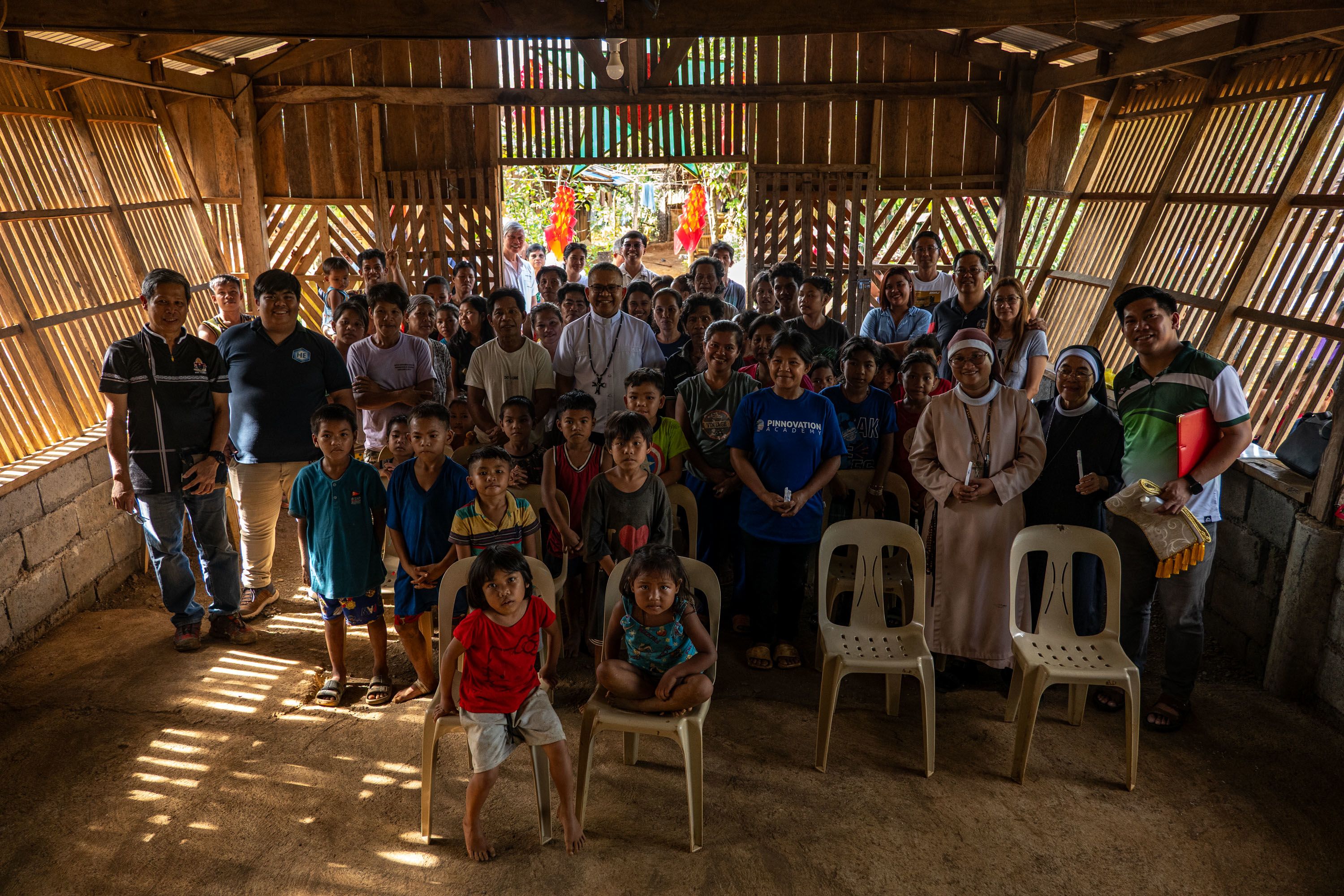
Members of the Mangyan-Tadyawan community pose for a group photo with Church workers, partners, and volunteers following the blessing and turnover of solar power systems in a village in central Philippines.
Members of the Mangyan-Tadyawan community pose for a group photo with Church workers, partners, and volunteers following the blessing and turnover of solar power systems in a village in central Philippines.
The solar power systems were not provided free of charge. Instead, the 37 households will pay for them at cost over several years through modest monthly payments.
Fr. Edwin Gariguez, parish priest of Good Shepherd Church and head of the diocesan social action center, said the Indigenous community agreed to shoulder the cost of the solar systems “because they have a strong sense of responsibility and ownership over the power systems.”
Gariguez acknowledged that the initiative covers only a limited number of off-grid households that the diocese can assist. He said the government must take the lead in developing a systematic, nationwide plan to provide Filipino households with clean, renewable energy.
He added that the Church is engaging financial institutions to support households and facilities that cannot shoulder the upfront costs of installing solar rooftops and other renewable energy systems.
Data presented during the launch highlighted Mindoro’s vast but underutilized renewable energy potential, strengthening calls for a shift away from fossil fuels toward clean, locally available power sources.
A Department of Energy Competitive Renewable Energy Zones study estimates Mindoro has 343 megawatts of solar and 710 megawatts of wind potential, totaling 1,053 megawatts, nearly ten times the island’s current electricity demand.
A separate study commissioned by CEED with Climate Analytics places Mindoro’s total solar and wind potential at 34,750 megawatts, excluding hydro resources and exceeding national power requirements.
The initiative forms part of the Protect Verde Island Passage campaign, which urges Catholic dioceses surrounding the biodiversity-rich marine corridor to develop renewable energy transition plans as a climate and ecological response.
Lawyer Avril De Torres, deputy executive director of CEED, said the Church-led initiative confronts energy systems that have historically marginalized poor communities while damaging ecosystems.

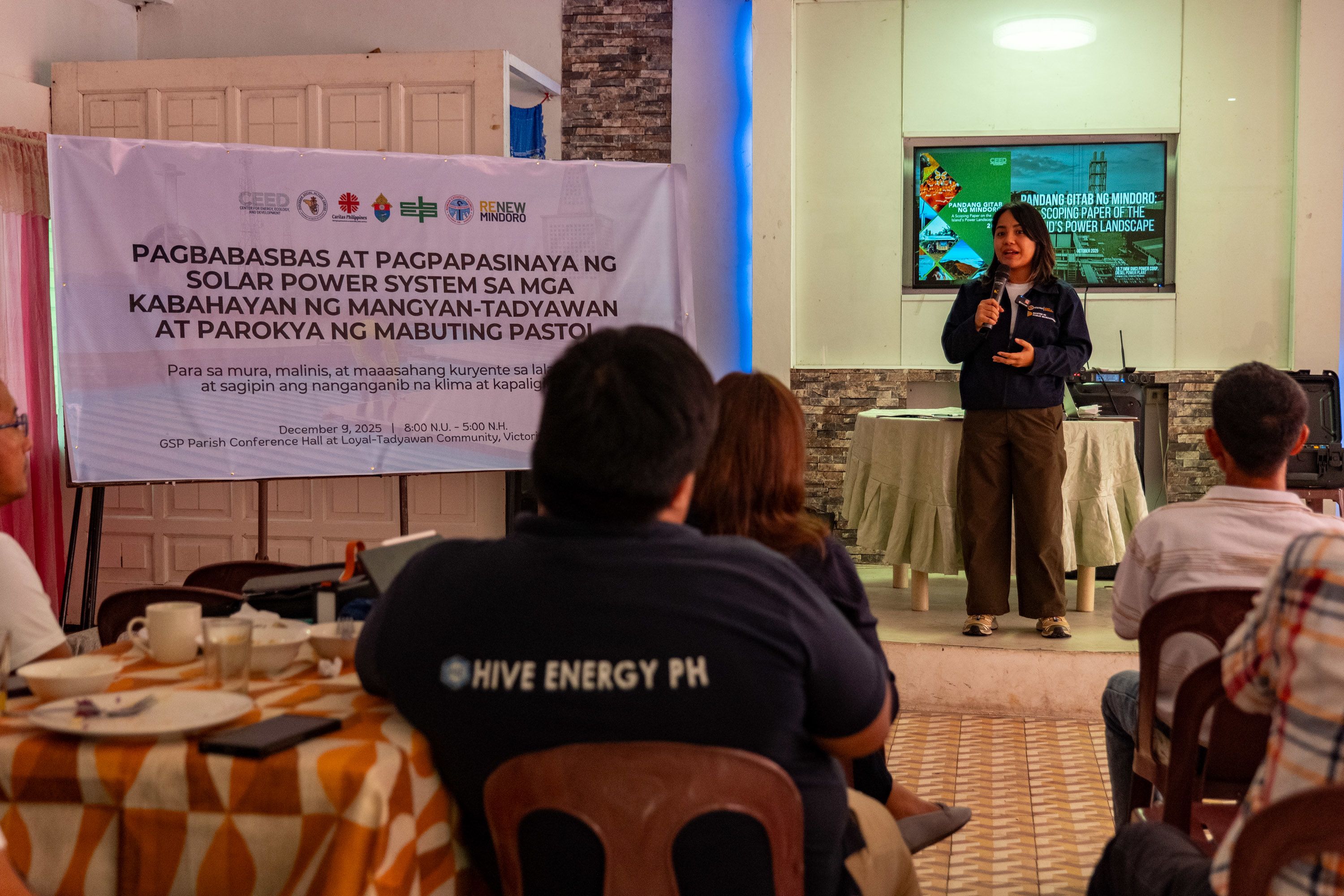
Avril De Torres of the Center for Energy, Ecology, and Development (CEED) speaks during the launch and orientation of the solar power project for Mangyan-Tadyawan households in Victoria town, Oriental Mindoro.
Avril De Torres of the Center for Energy, Ecology, and Development (CEED) speaks during the launch and orientation of the solar power project for Mangyan-Tadyawan households in Victoria town, Oriental Mindoro.
“For far too long, our power systems have left the most marginalized and vulnerable communities behind,” De Torres said, describing the transition as resistance to harmful energy systems and a statement of hope.

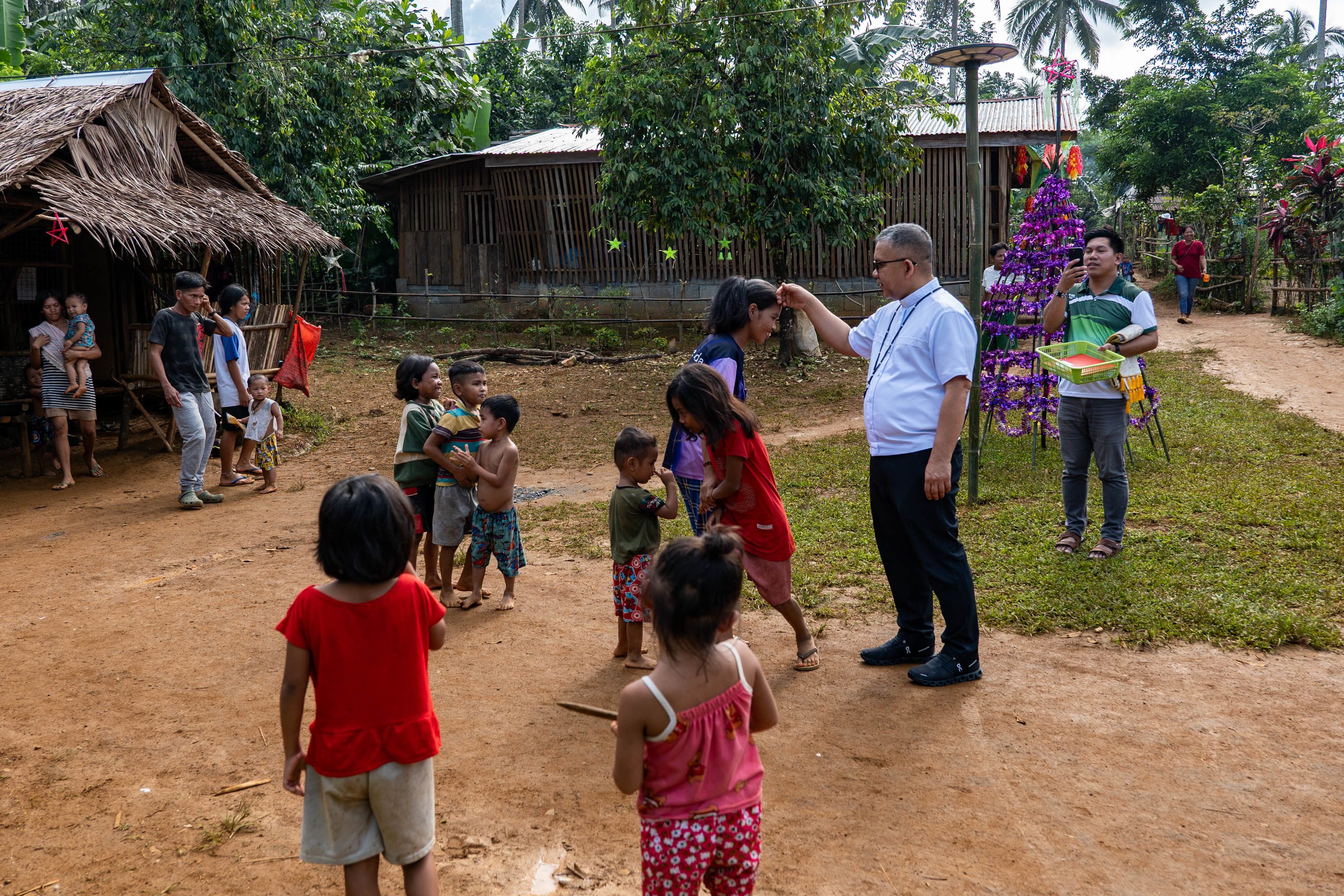

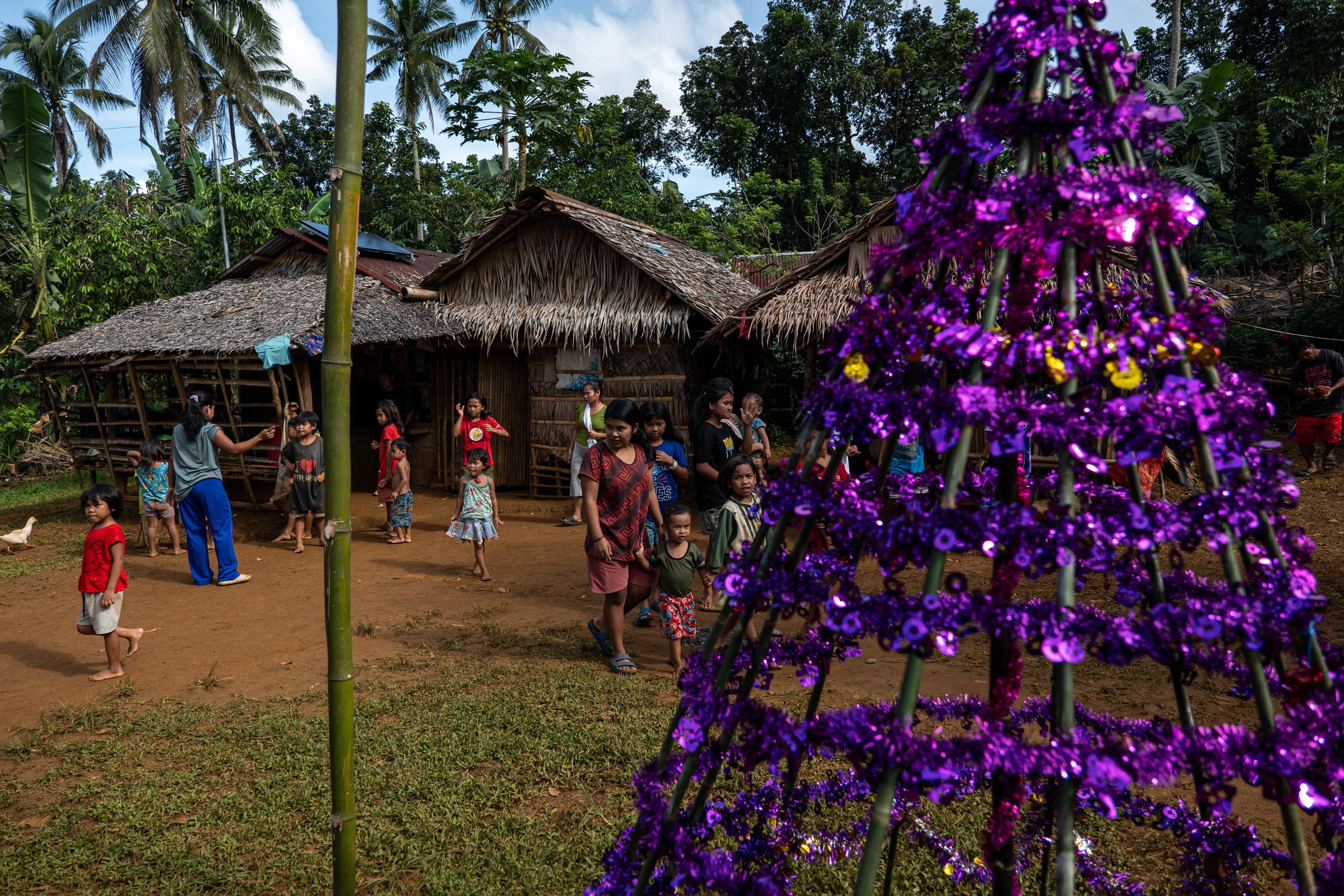
On Jan. 1, 2026, the Mangyan-Tadyawan community in Victoria town welcomed the New Year with a lit bulb for the first time, renewing hopes that clean, renewable energy will reach other Indigenous families in far-flung areas.
“My prayer is for the government and other concerned institutions to also act for our other Mangyan brothers and sisters, especially those in remote areas who continue to live without electricity,” Sumbad said.
The irony is stark. In a province rich in renewable energy potential, many families welcomed the New Year without electricity, not because technology is unavailable, but because access to power has yet to be treated as a basic public duty rather than a privilege for those easiest to serve.
An aerial view shows homes with newly installed solar panels in a Mangyan-Tadyawan community in Victoria town, Oriental Mindoro.
An aerial view shows homes with newly installed solar panels in a Mangyan-Tadyawan community in Victoria town, Oriental Mindoro.
With generous support from
Pontifical Society of the Propagation of the Faith
Edited by Peter Rachada Monthienvienchai
Produced by June Nattha Nuchsuwan
Published January 22, 2026
© Copyright MMXXVI LiCAS.news
 Built with Shorthand